What are you looking for?
Search

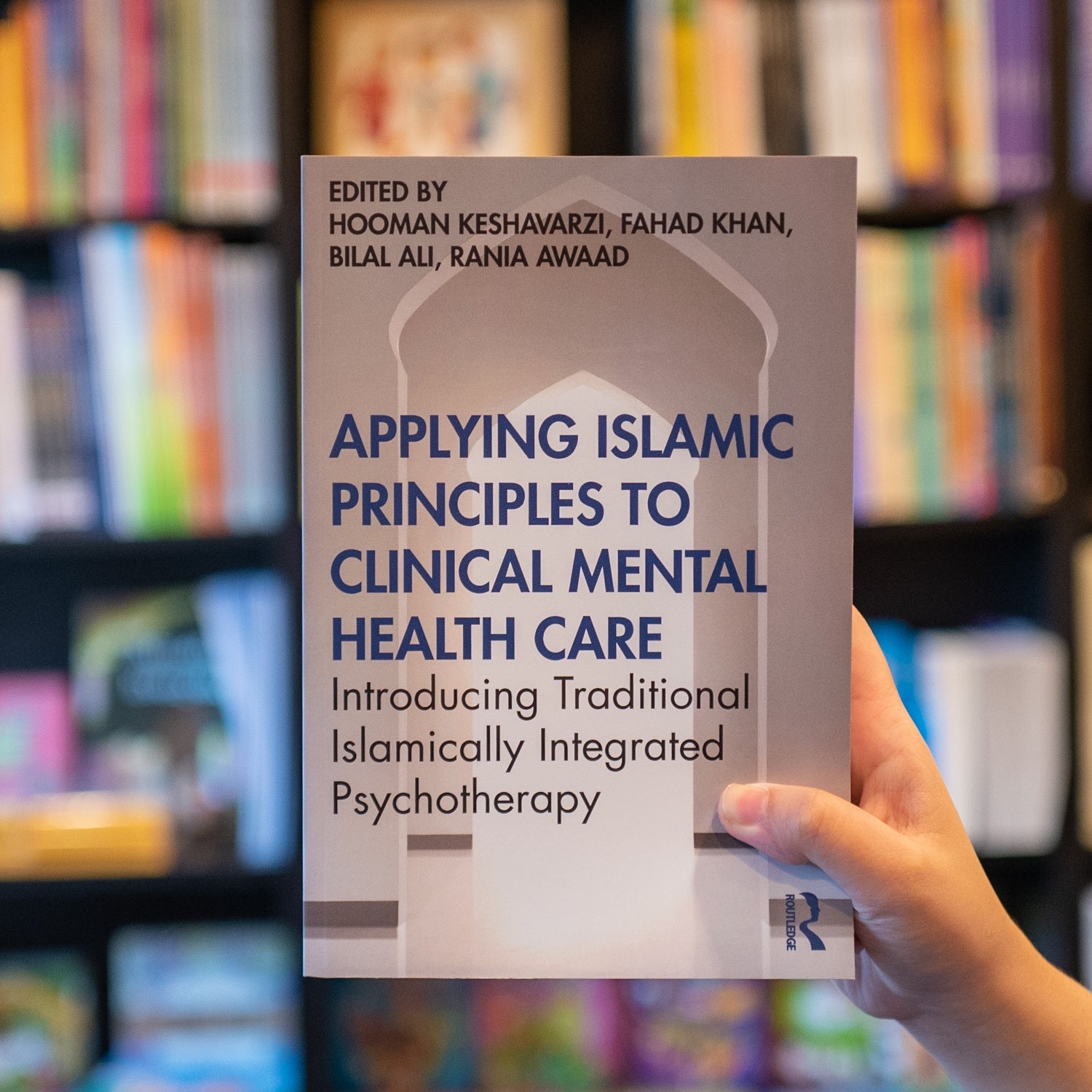

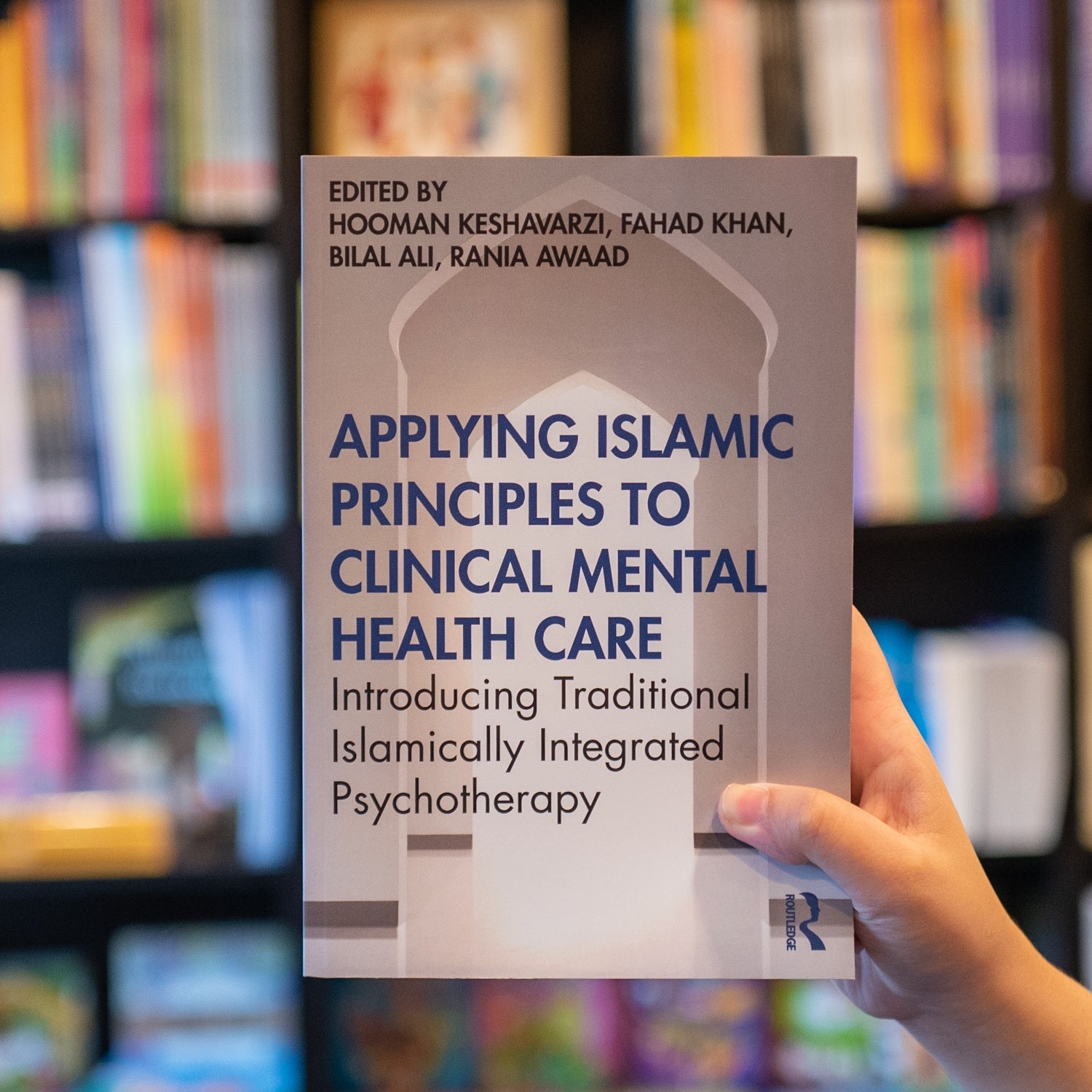


Hooman Keshavarzi, Fahad Khan, Bilal Ali, Rania Awaad (editors)
Paperback, 326 pages
9780367488864
Introducing Traditional Islamically Integrated Psychotherapy
This text outlines for the first time a structured articulation of an emerging Islamic orientation to psychotherapy, a framework presented and known as Traditional Islamically Integrated Psychotherapy (TIIP).
TIIP is an integrative model of mental health care that is grounded in the core principles of Islam while drawing upon empirical truths in psychology. The book introduces the basic foundations of TIIP, then delves into the writings of early Islamic scholars to provide a richer understanding of the Islamic intellectual heritage as it pertains to human psychology and mental health. Beyond theory, the book provides readers with practical interventional skills illustrated with case studies as well as techniques drawn inherently from the Islamic tradition. A methodology of case formulation is provided that allows for effective treatment planning and translation into therapeutic application. Throughout its chapters, the book situates TIIP within an Islamic epistemological and ontological framework, providing a discussion of the nature and composition of the human psyche, its drives, health, pathology, mechanisms of psychological change, and principles of healing.
Mental health practitioners who treat Muslim patients, Muslim clinicians, students of the behavioral sciences and related disciplines, and anyone with an interest in spiritually oriented psychotherapies will greatly benefit from this illustrative and practical text.
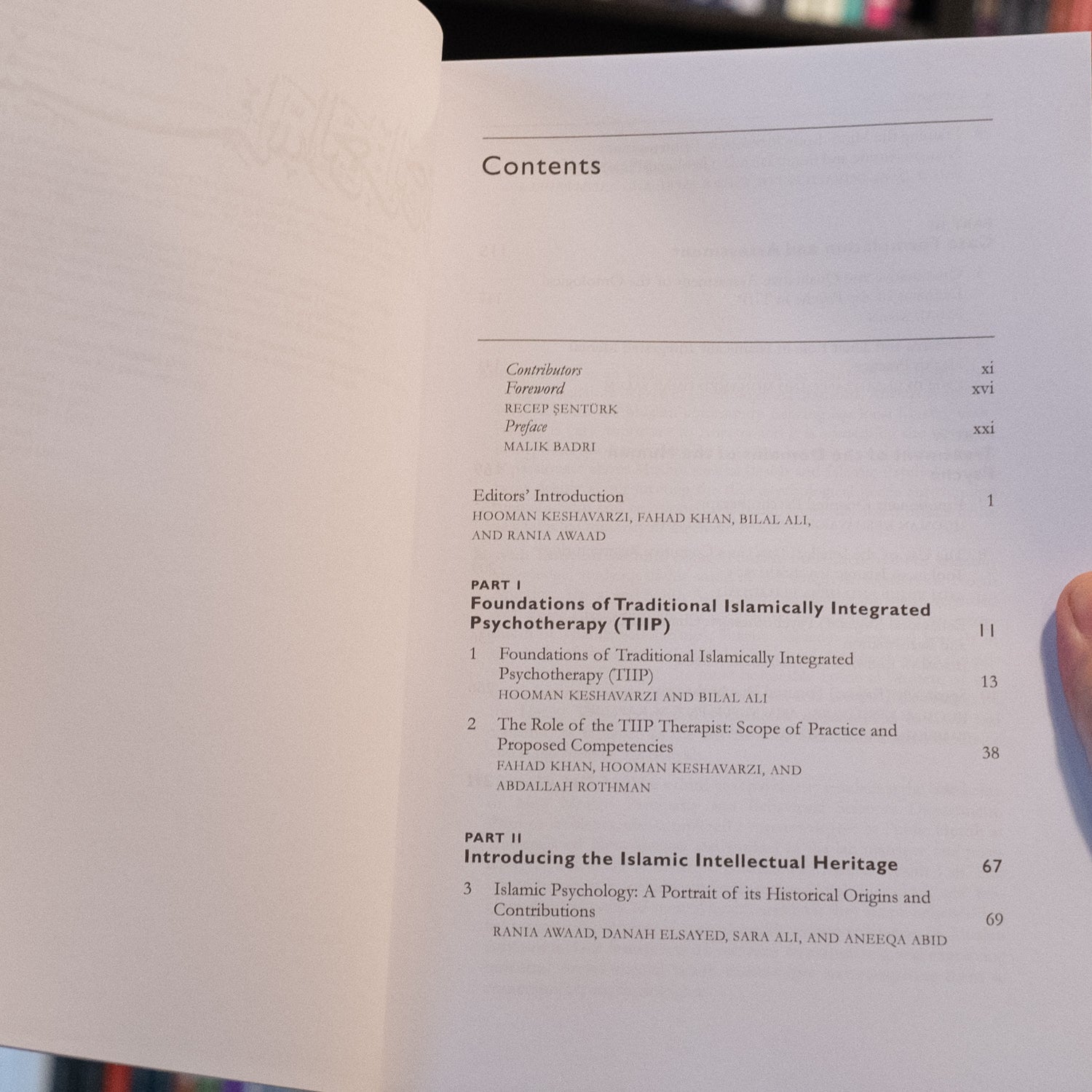
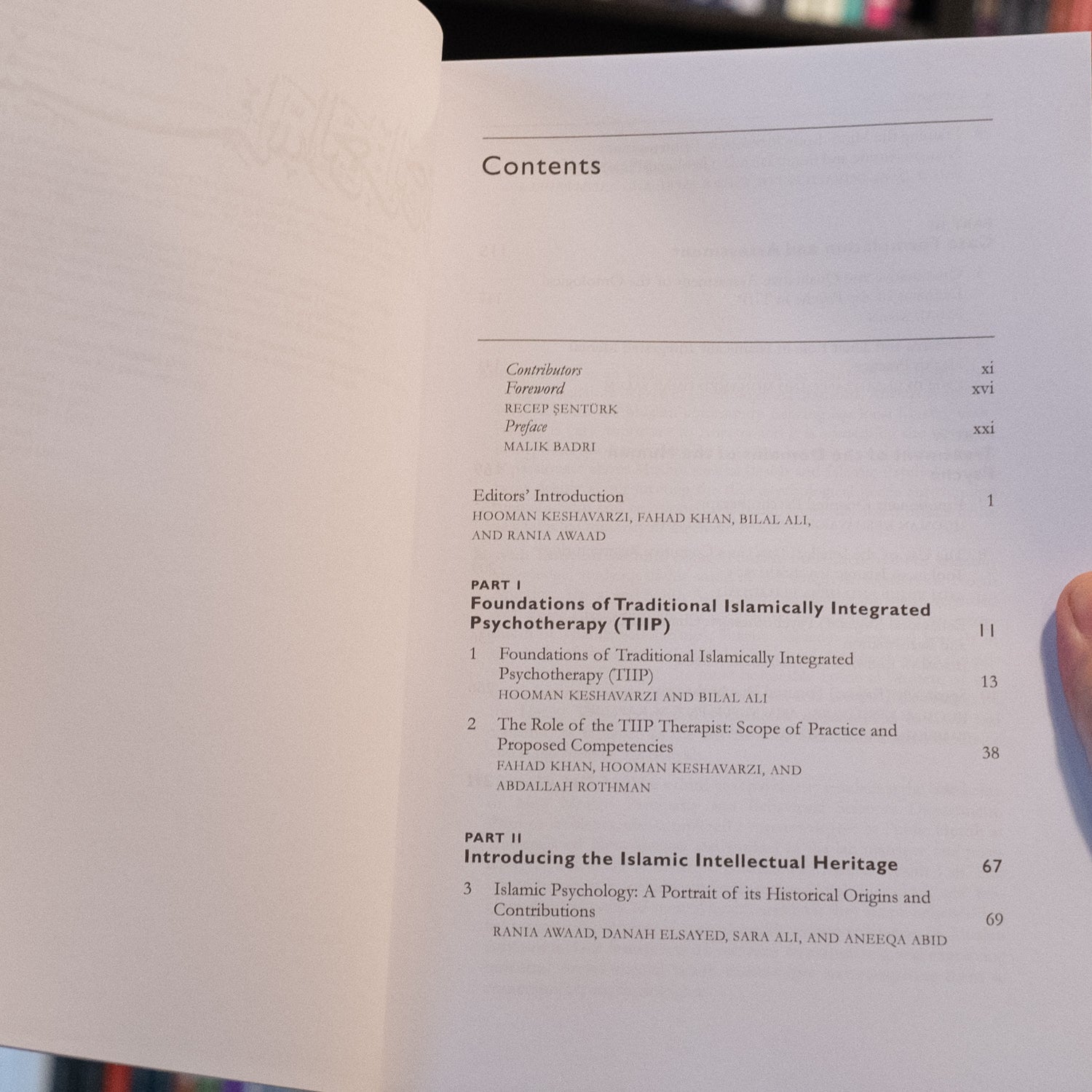
Contents
Part I: Foundations of Traditional Islamically Integrated Psychotherapy (TIIP)
1. Foundations of Traditional Islamically Integrated Psychotherapy (TIIP)
Hooman Keshavarzi and Bilal Ali
2. The Role of the TIIP Therapist: Scope of Practice and Proposed Competencies
Fahad Khan, Hooman Keshavarzi, and Abdallah Rothman
Part II: Introducing the Islamic Intellectual Heritage
3. Islamic Psychology: A Portrait of its Historical Origins and Contributions
Rania Awaad, Danah Elsayed, Sara Ali, and Aneeqa Abid
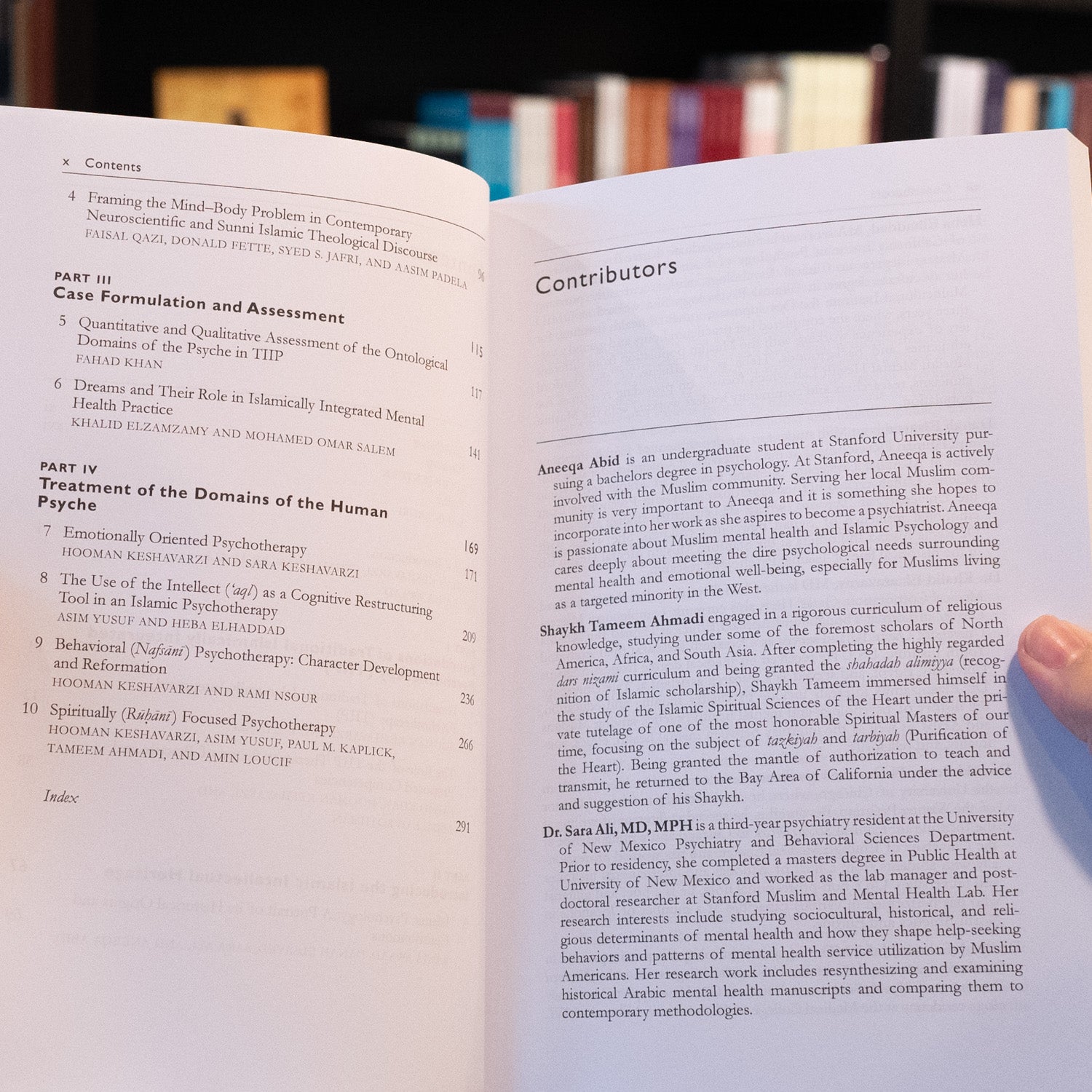
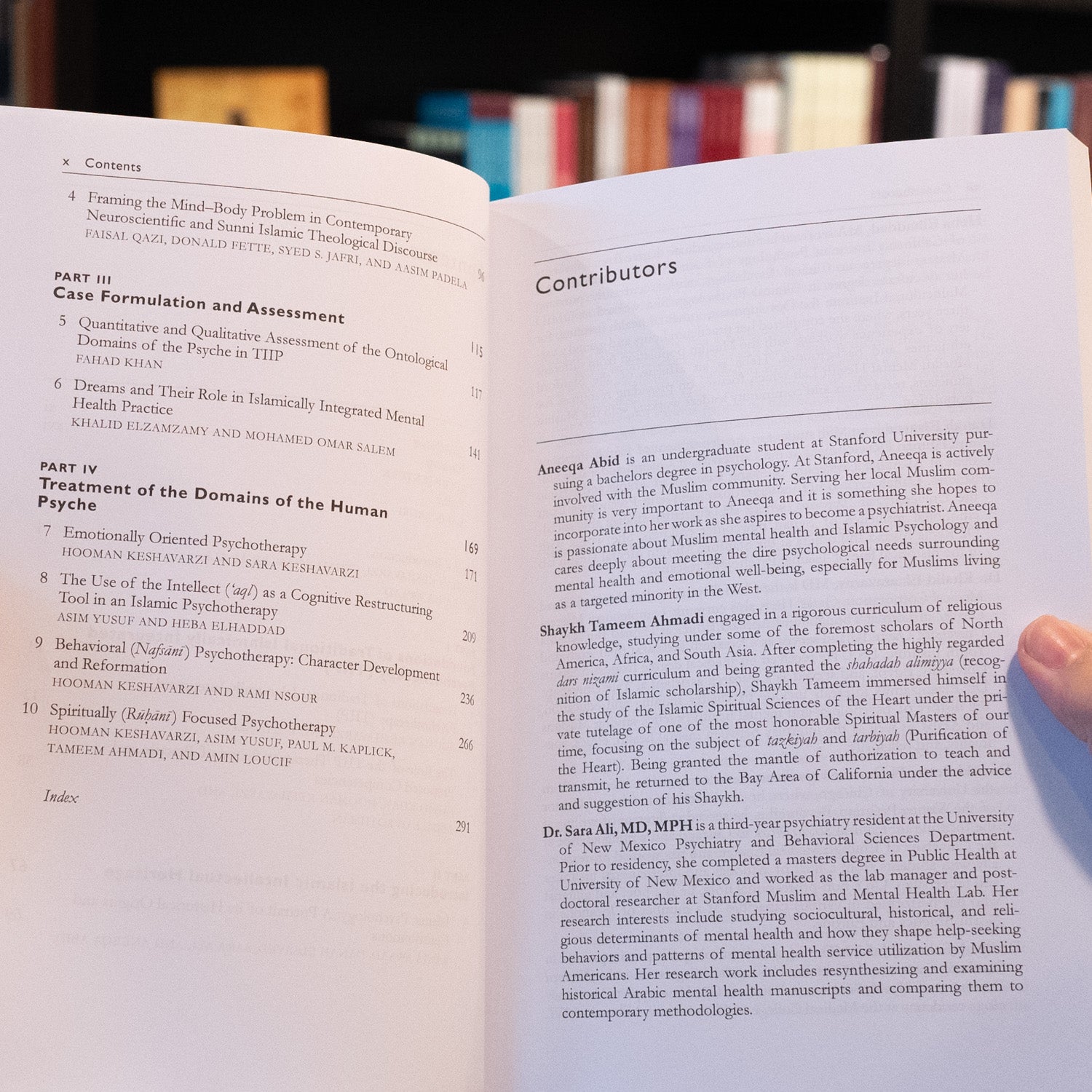
4. Framing the Mind–Body Problem in Contemporary Neuroscientific and Sunni Islamic Theological Discourse
Faisal Qazi, Donald Fette, Syed S. Jafri, and Aasim Padela
Part III: Case Formulation and Assessment
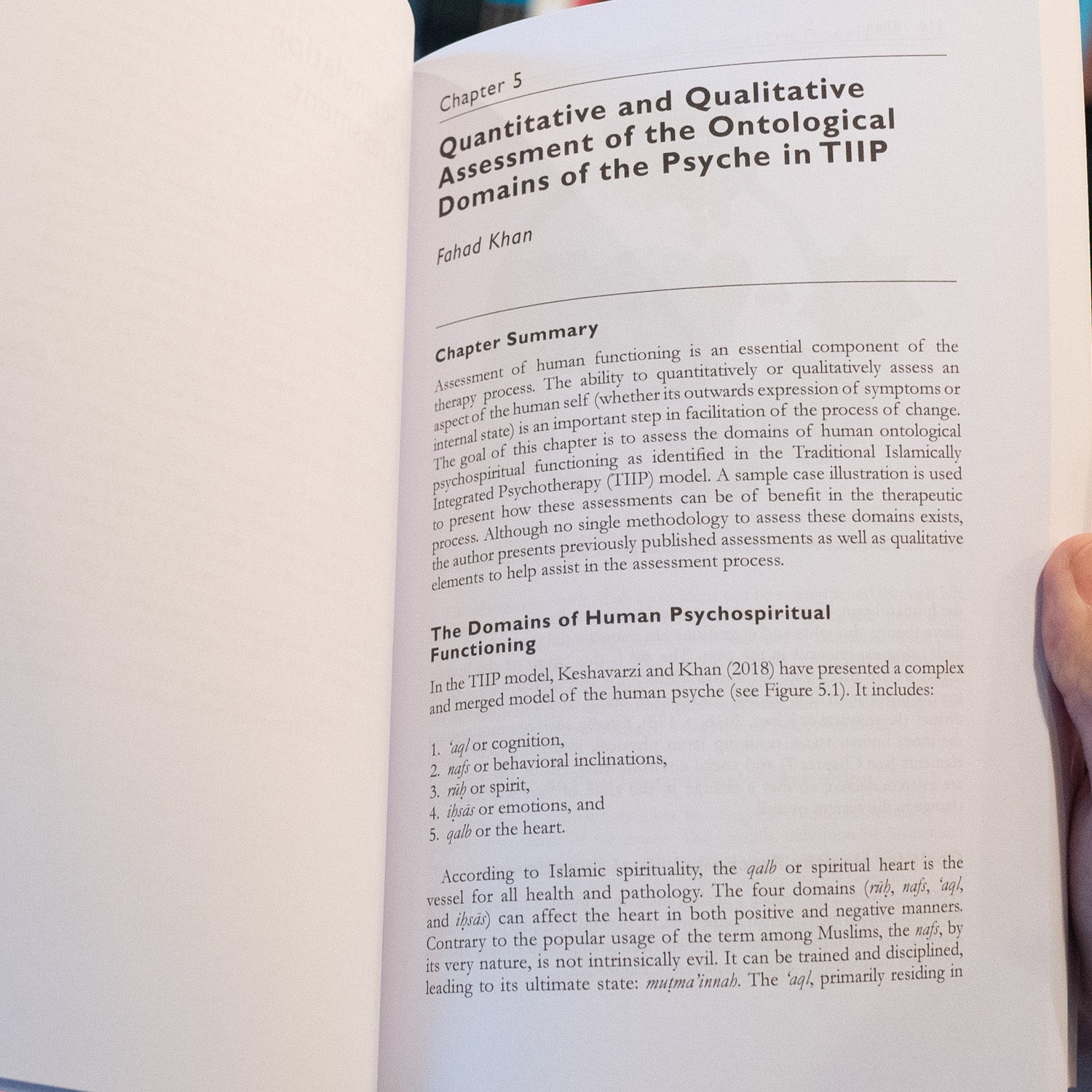
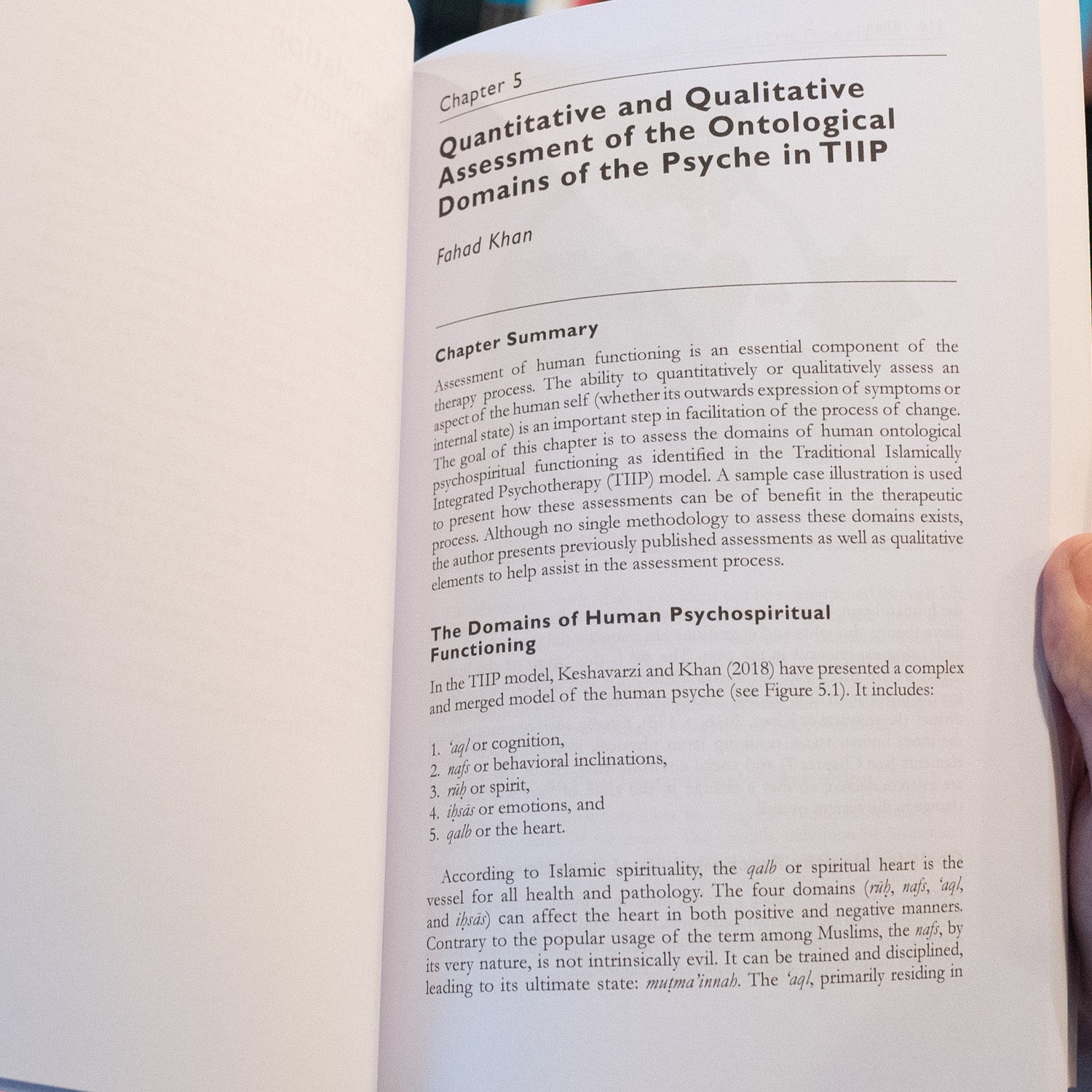
5. Quantitative and Qualitative Assessment of the Ontological Domains of the Psyche in TIIP
Fahad Khan
6. Dreams and Their Role in Islamically Integrated Mental Health Practice
Khalid Elzamzamy and Mohamed Omar Salem
Part IV: Treatment of the Domains of the Human Psyche
7. Emotionally Oriented Psychotherapy
Hooman Keshavarzi and Sara Keshavarzi
8. The Use of the Intellect (‘aql) as a Cognitive Restructuring Tool in an Islamic Psychotherapy
Asim Yusuf and Heba Elhaddad
9. Behavioral (Nafsānī) Psychotherapy: Character Development and Reformation
Hooman Keshavarzi and Rami Nsour
10. Spiritually (Rūḥānī) Focused Psychotherapy
Hooman Keshavarzi, Asim Yusuf, Paul M. Kaplick, Tameem Ahmadi and Amin Loucif

You have successfully commented, please wait for review
Copied Successfully
You can enjoy up to 1 free gift!