What are you looking for?
Search

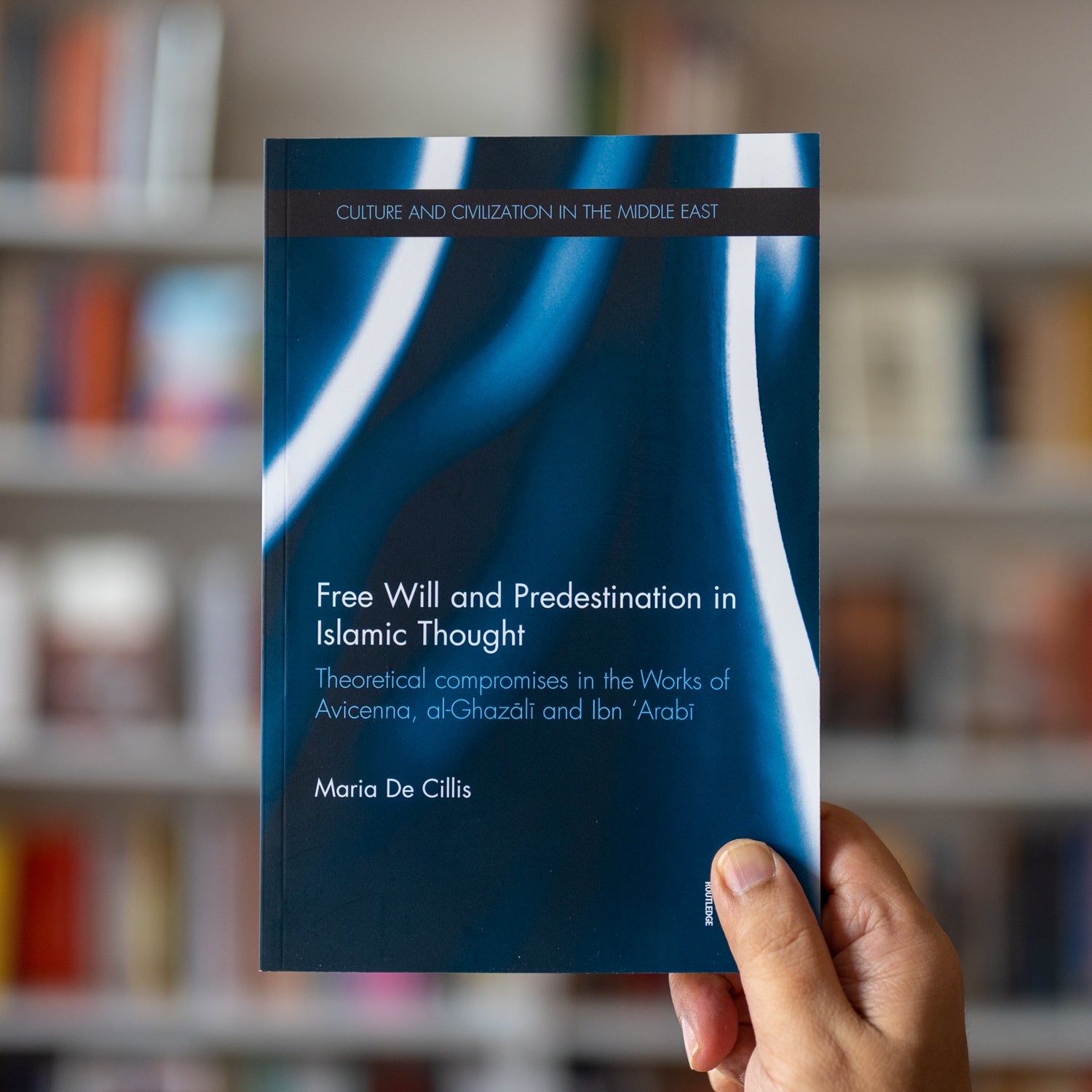

Maria De Cillis
Paperback, 272 pages
9781138242746
Theoretical Compromises in the Works of Avicenna, al-Ghazali and Ibn 'Arabi
The subject of 'human free-will' versus 'divine predestination' is one of the most contentious topics in classical Islamic thought. By focusing on a theme of central importance to any philosophy of religion, and to Islam in particular, this book offers a critical study of the intellectual contributions offered to this discourse by three key medieval Islamic thinkers: Avicenna, al-Ghāzālī and Ibn ʿArabī.
Through investigation of primary sources, Free Will and Predestination in Islamic Thought establishes the historical, political and intellectual circumstances which prompted Avicenna, al-Ghāzālī and Ibn ʿArabī’s attempts at harmonization. By analysing the theoretical and linguistic ‘techniques’ which were employed to convey these endeavours, this book demonstrates that the three individuals were committed to compromise between philosophical, theological and mystical outlooks.
This work makes the case that the three scholars’ treatments of the so-called qaḍā wa’l-qadar (decree and destiny) and ikhtiyār (free-will) issues were innovative, influential and fundamentally more complex than hitherto recognized.
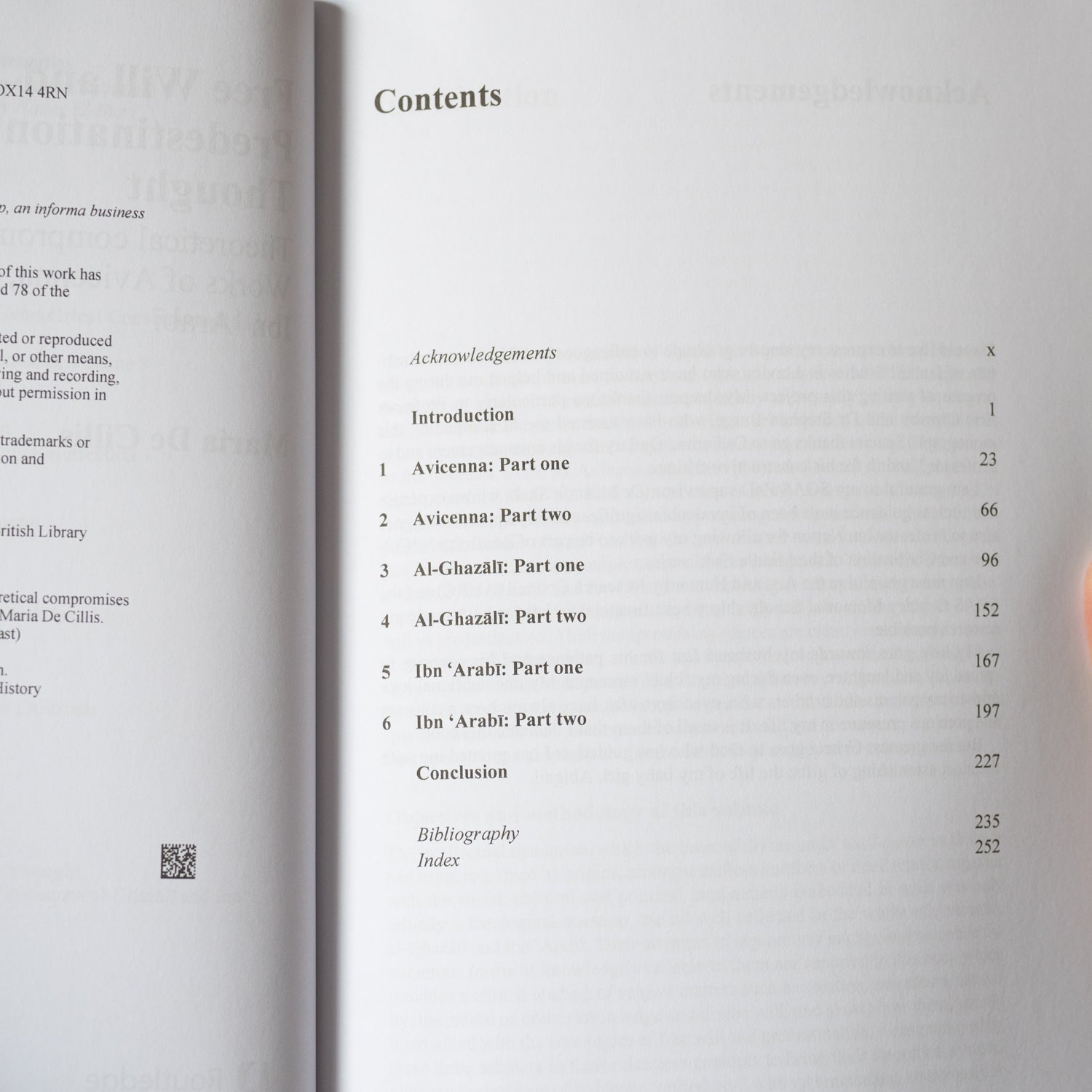
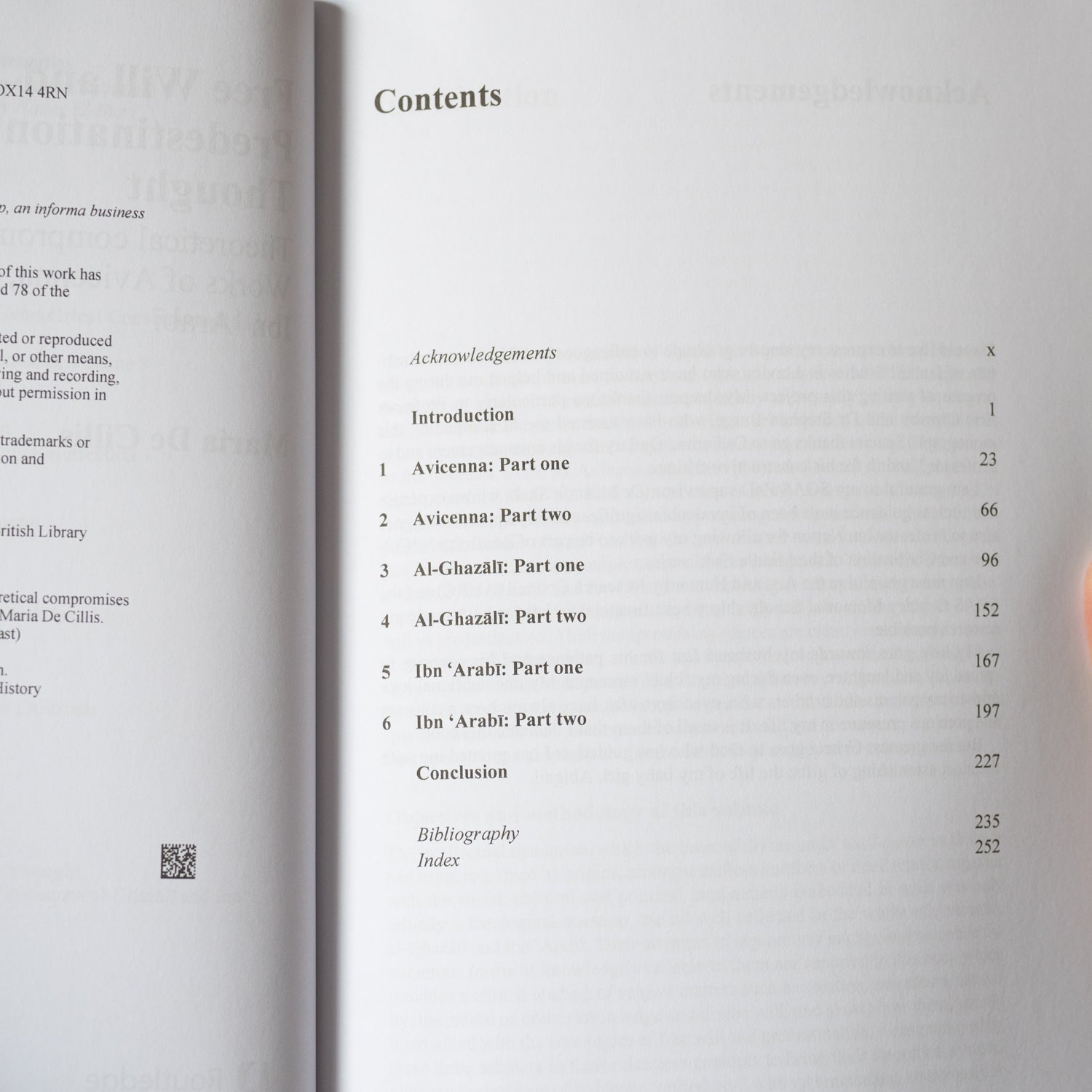
Contents
Introduction
1 Avicenna: a Biography
2 Divine and Celestial Knowledge in Relation to Determinism
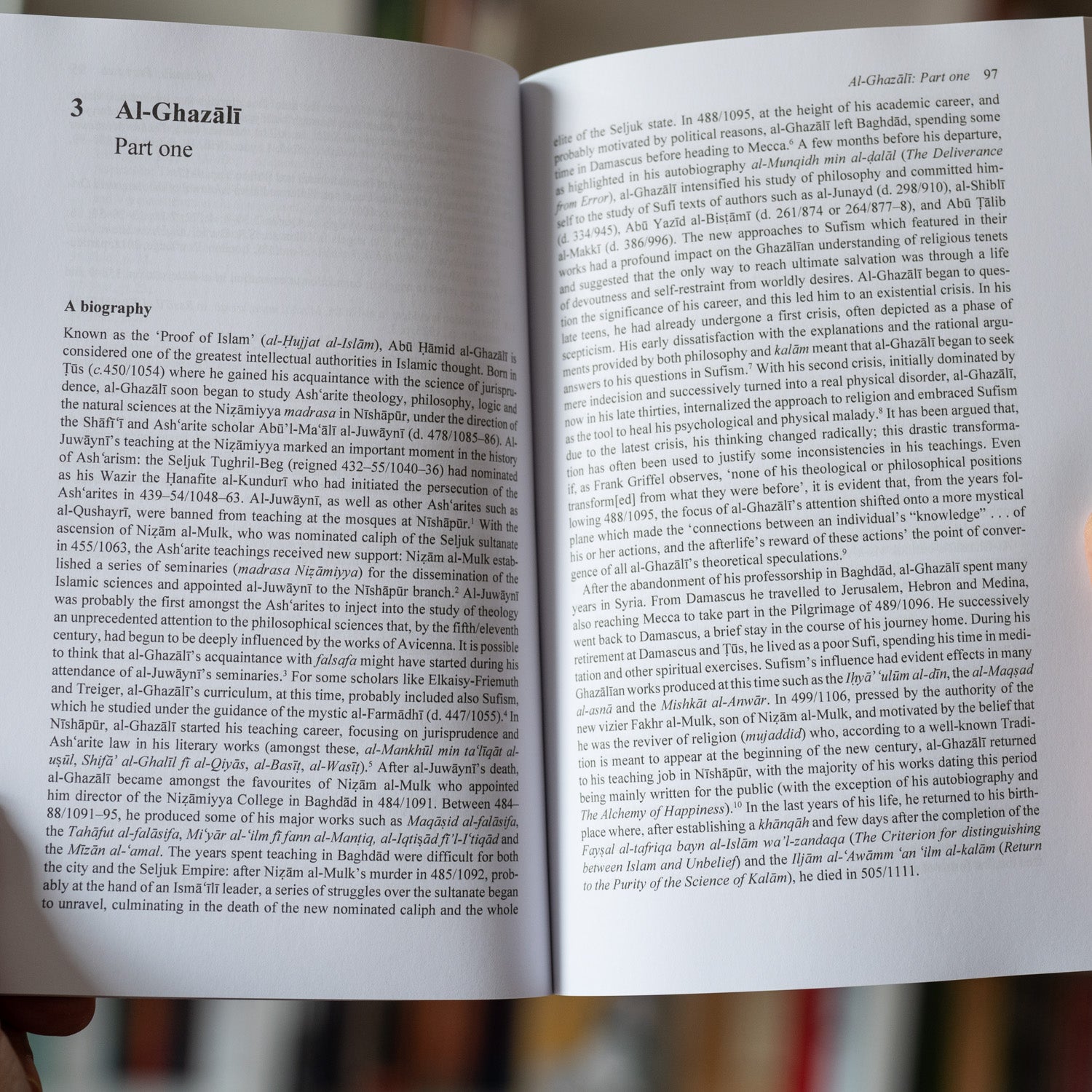
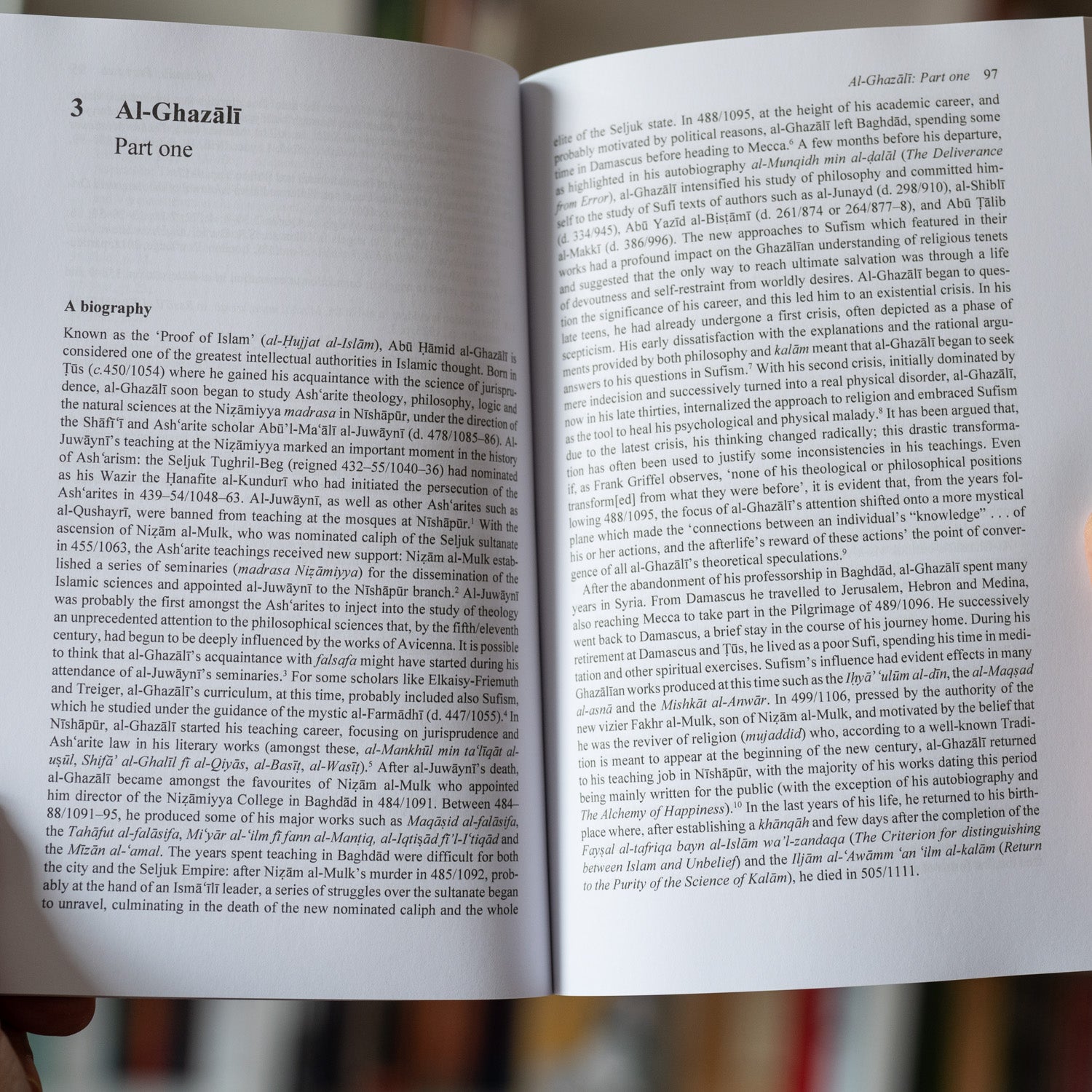
3 Al-Ghazali: A Biography
4 Al-Maqsad Al-Asna Fisharh Ma'Ani Asma' Allah Al-Husna
5 Ibn Arabi: A Biography
6 The A'yan Thabita and the Realm of Responsibility in the Divine Qada

You have successfully commented, please wait for review
Copied Successfully
You can enjoy up to 1 free gift!