What are you looking for?
Search

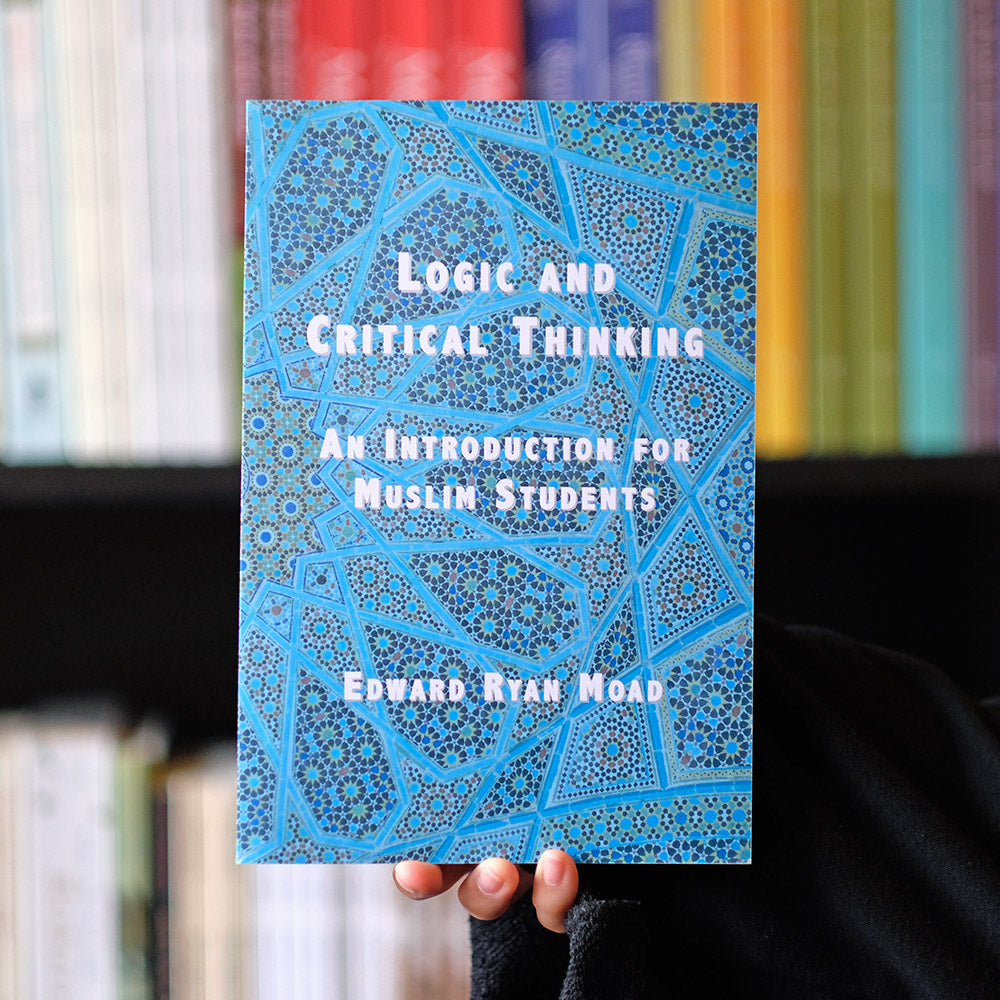
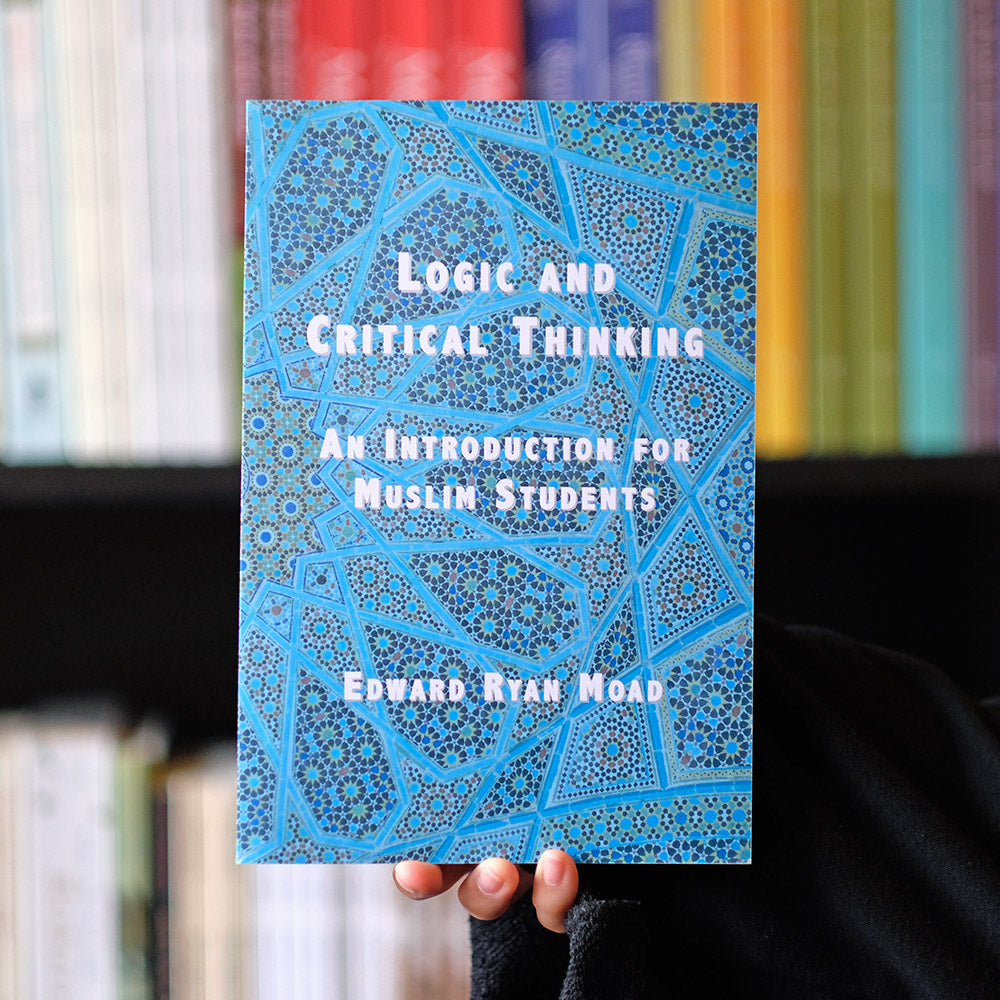

Edward Ryan Moad
Paperback
9781567446104
Contents
Part 1 Basic Concepts: What is Critical Thinking?
Chapter 1. Critical Thinking and Judgment: 1.2. Judgments and Truth 1.3. Critical Thinking and Debate: Separating the Benefits from the Dangers
Chapter 2: Propositions: 2.1. Subject and Predicate Terms 2.2. Contradiction and Entailment
Chapter 3: Inference and Argument: 3.1. Arguments and Other Explanations 3.2. Formalizing Arguments and Other Explanations
Chapter 4: Inferential Diagrams: 4.1. Linked Inferences and Implicit Premises 4.2. Basic Inferential Analysis in Five Steps
Part 2 Deductive Reasoning
Chapter 5: Things and Categories: 5.1. Visualizing Categorical Propositions 5.2. Necessary and Sufficient Conditions 5.3. Applying Venn Diagrams 5.4. Definitions 5.5. Definition Mistakes
Chapter 6: Categorical Syllogisms: 6.1. Deduction and Validity 6.2. The Rules of Inference for Categorical Syllogisms
Chapter 7: Truth-functional Deductive Argument Forms: 7.1. Modus Ponens (Affirming the Antecedent) 7.2. Fallacy of Affirming the Consequent 7.3. Modus Tollens (Denying the Consequent) 7.4. Fallacy of Denying the Antecedent 7.5. Hypothetical Syllogism 7.6. Bi-conditionals 7.7. Disjunctive Syllogism
Chapter 8: Truth-functional Natural Deduction: 8.1. Rules of Inference 8.2. Well-formed formulas 8.3. Replacement Rules 8.4. Constructing Proofs
Part 3 Inductive Reasoning
Chapter 9: Inductive Reasoning: 9.1. Analogy 9.2. Analogical Arguments 9.3. Evaluating Analogical Arguments
Chapter 10: Inductive Generalization: 10.1. Evaluating Inductive Generalization 10.2. Sample Size 10.3. Sample Representativeness 10.4. Random Sampling 10.5. Stratification 10.6. Inductive Generalization in Natural Science 10.7. Observation
Chapter 11: Causal vs. Statistical Relevance: 11.1. Different Kinds of Causal Relevance 11.2. Causal Conditions 11.3. First Principles of Causal Reasoning 11.4. Hypothetico-Deductive Method 11.5. Mill’s Methods 11.5.1. Method of Agreement 11.5.2. Method of Difference 11.5.3. Method of Agreement and Difference 11.5.4. Concomitant Variations 11.5.5. Method of Residues
Chapter 12: Inference to the Best Explanation: 12.1. Plausibility 12.2. Consistency with Known Facts 12.3. Comprehensiveness 12.4. Explanatory Power 12.5. Simplicity 12.6. Predictability 12.7. The Unfalsifiable

You have successfully commented, please wait for review
Copied Successfully
You can enjoy up to 1 free gift!