What are you looking for?
Search




Samer Dajani
Hardback, 380 pages
9781399508568
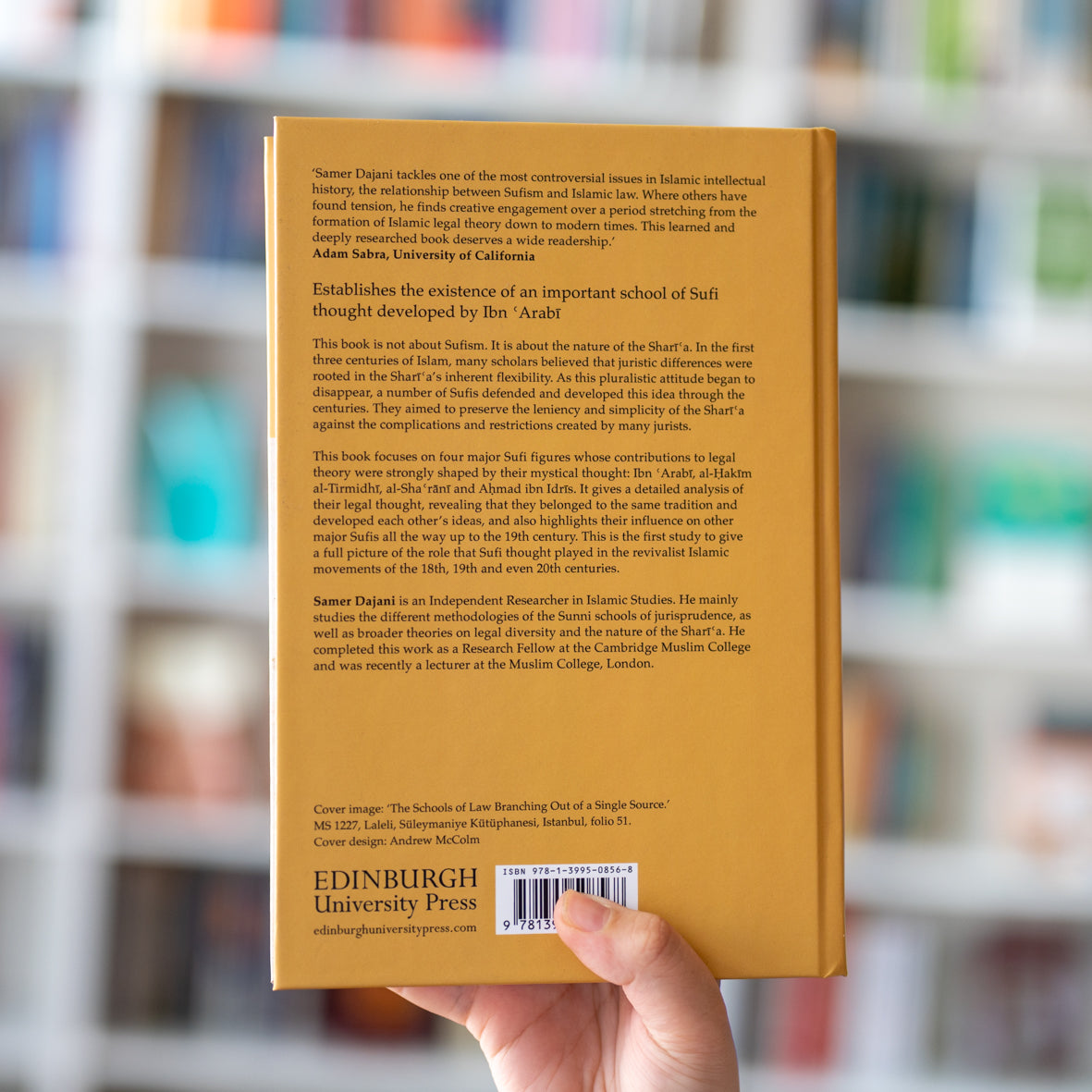
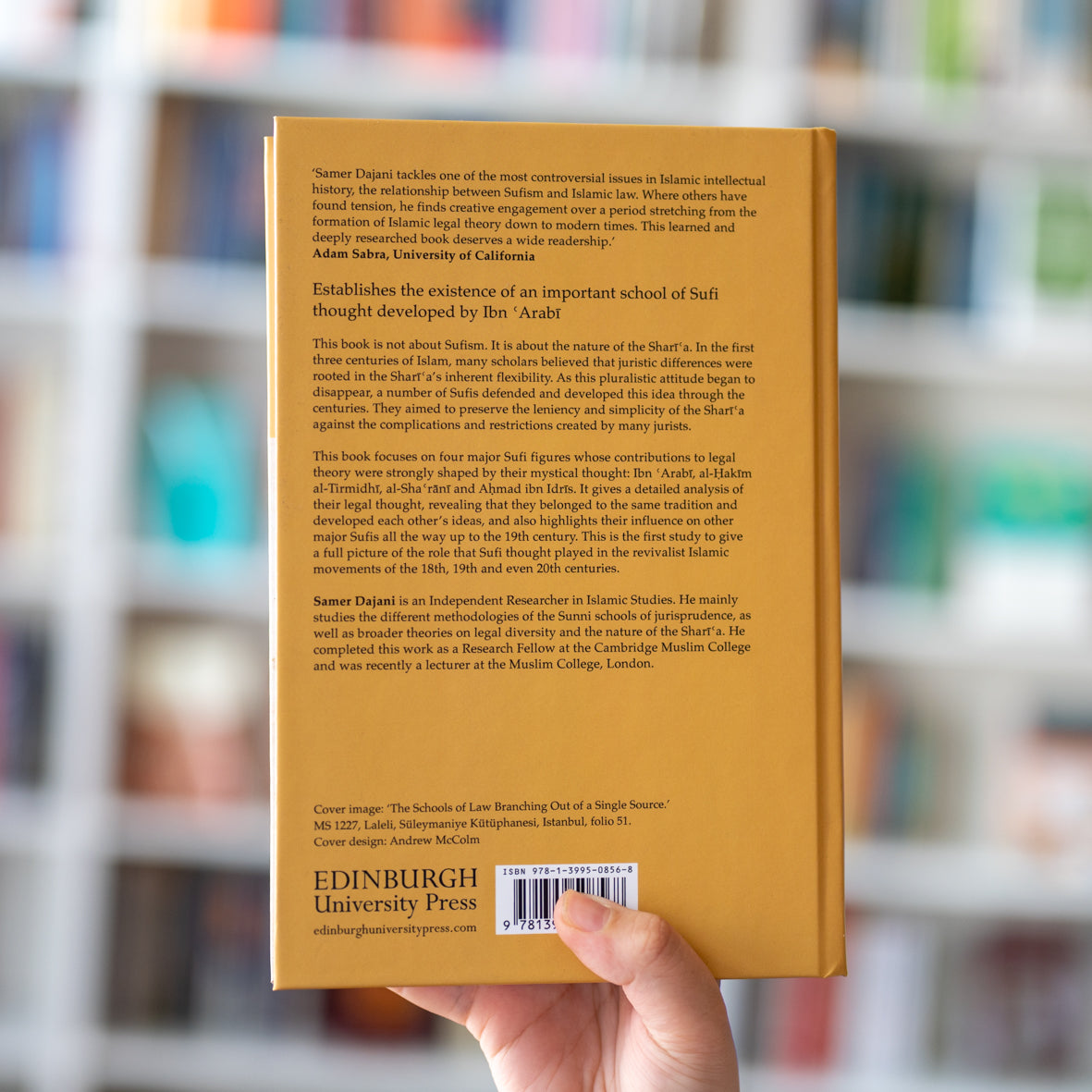
Establishes the existence of an important school of Sufi thought developed by Ibn ʿArabī
This book is not about Sufism. It is about the nature of the Sharīʿa. In the first three centuries of Islam, many scholars believed that juristic differences were rooted in the Sharīʿa’s inherent flexibility. As this pluralistic attitude began to disappear, a number of Sufis defended and developed this idea through the centuries. They aimed to preserve the leniency and simplicity of the Sharīʿa against the complications and restrictions created by many jurists.
This book focuses on four major Sufi figures whose contributions to legal theory were strongly shaped by their mystical thought: Ibn ʿArabī, al-Ḥakīm al-Tirmidhī, al-Shaʿrānī and Aḥmad ibn Idrīs. It gives a detailed analysis of their legal thought, revealing that they belonged to the same tradition and developed each other’s ideas, and also highlights their influence on other major Sufis all the way up to the 19th century. This is the first study to give a full picture of the role that Sufi thought played in the revivalist Islamic movements of the 18th, 19th and even 20th centuries.
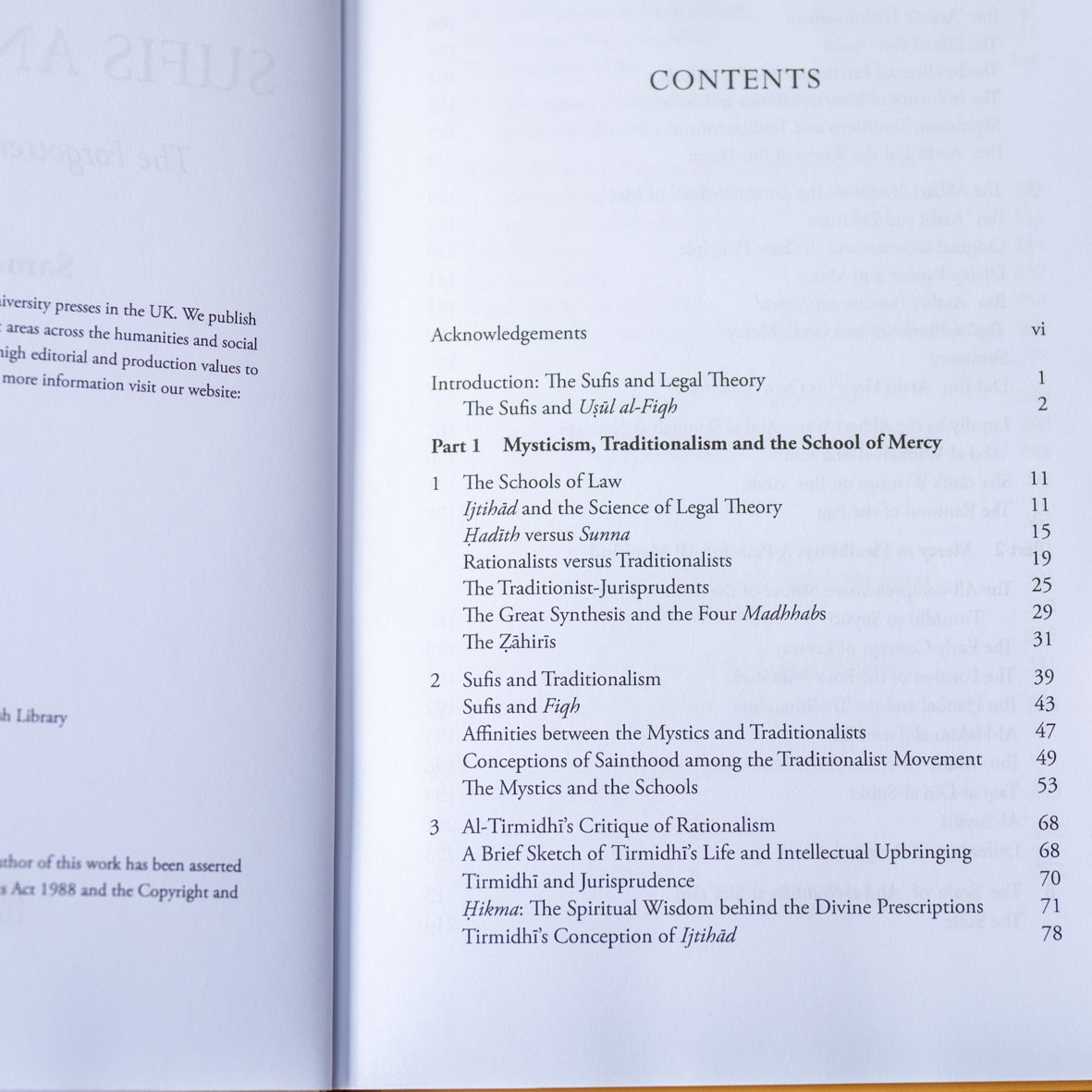
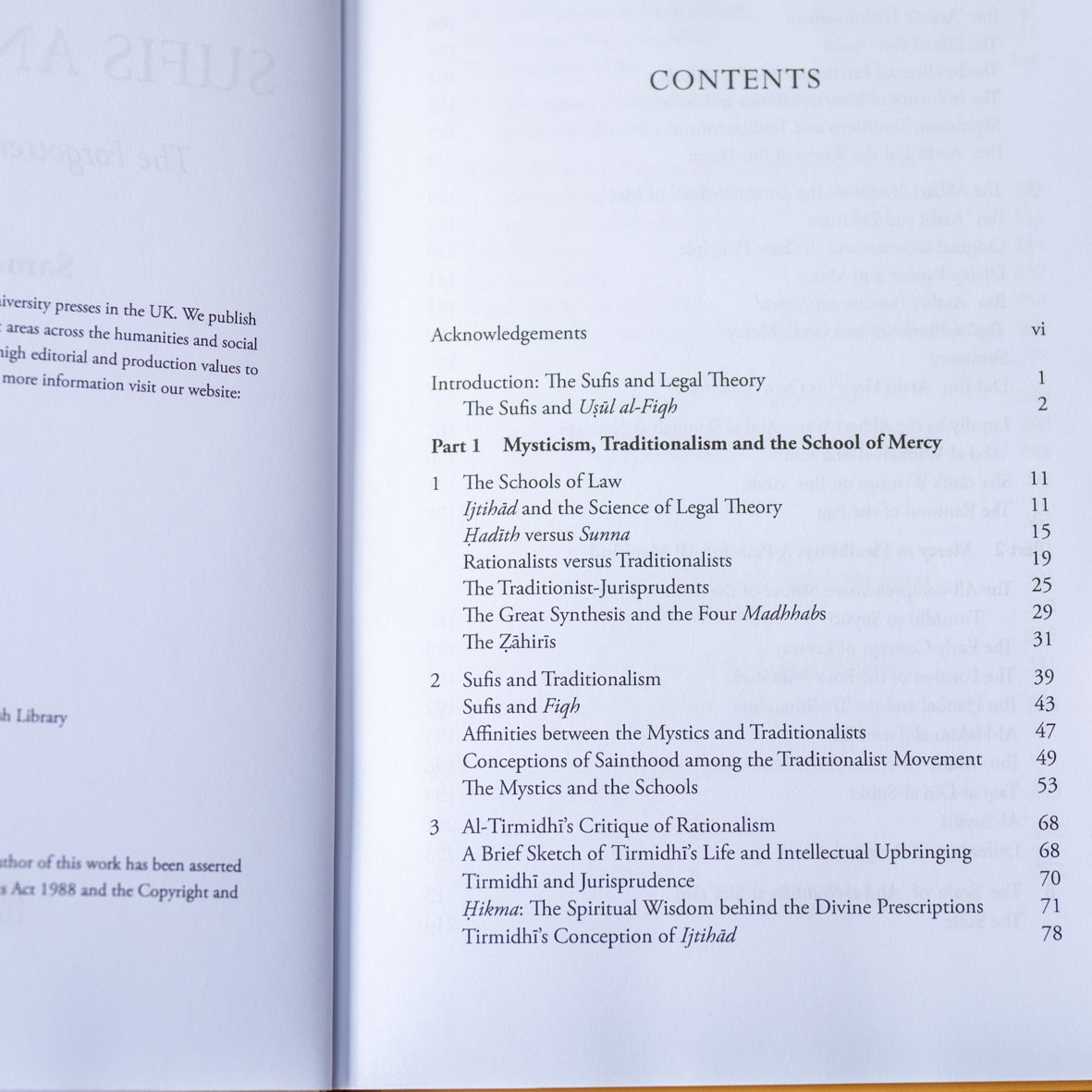
Contents
Introduction: The Sufis and Legal Theory
Part One: Mysticism, Traditionalism, and the School of Mercy
1. The Schools of Law
2. Sufis and Traditionalism
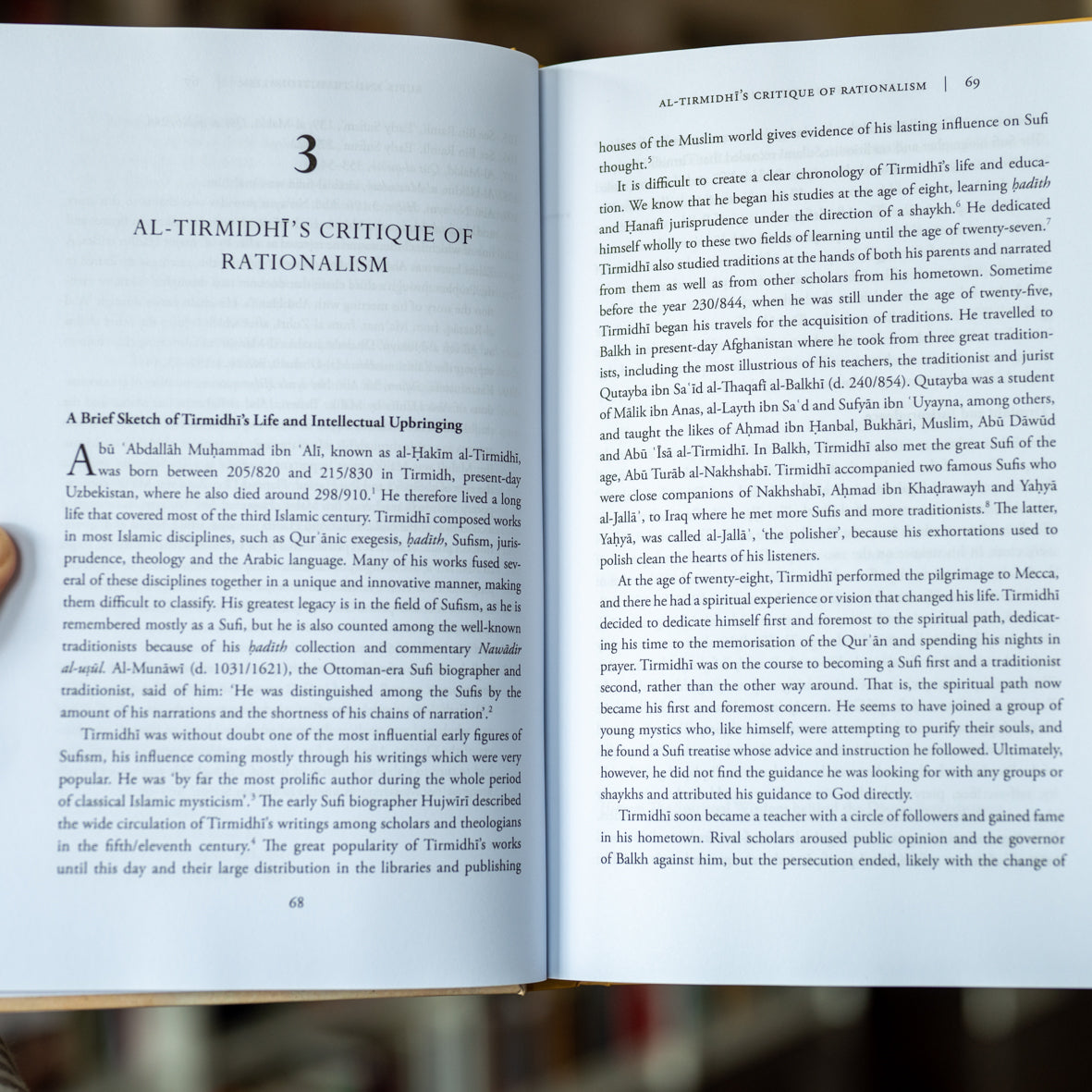
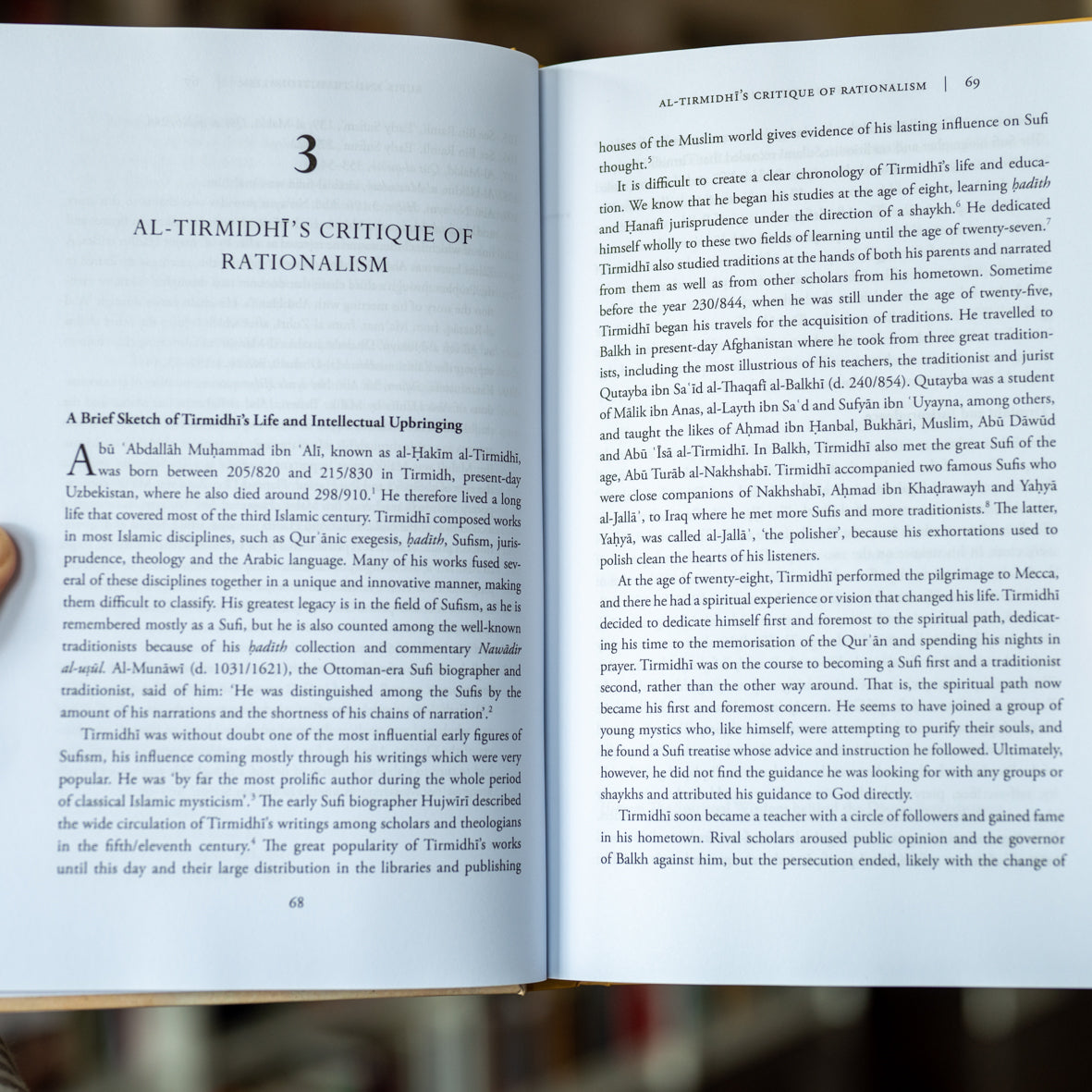
3. Al-Tirmidhī’s Critique of Rationalism
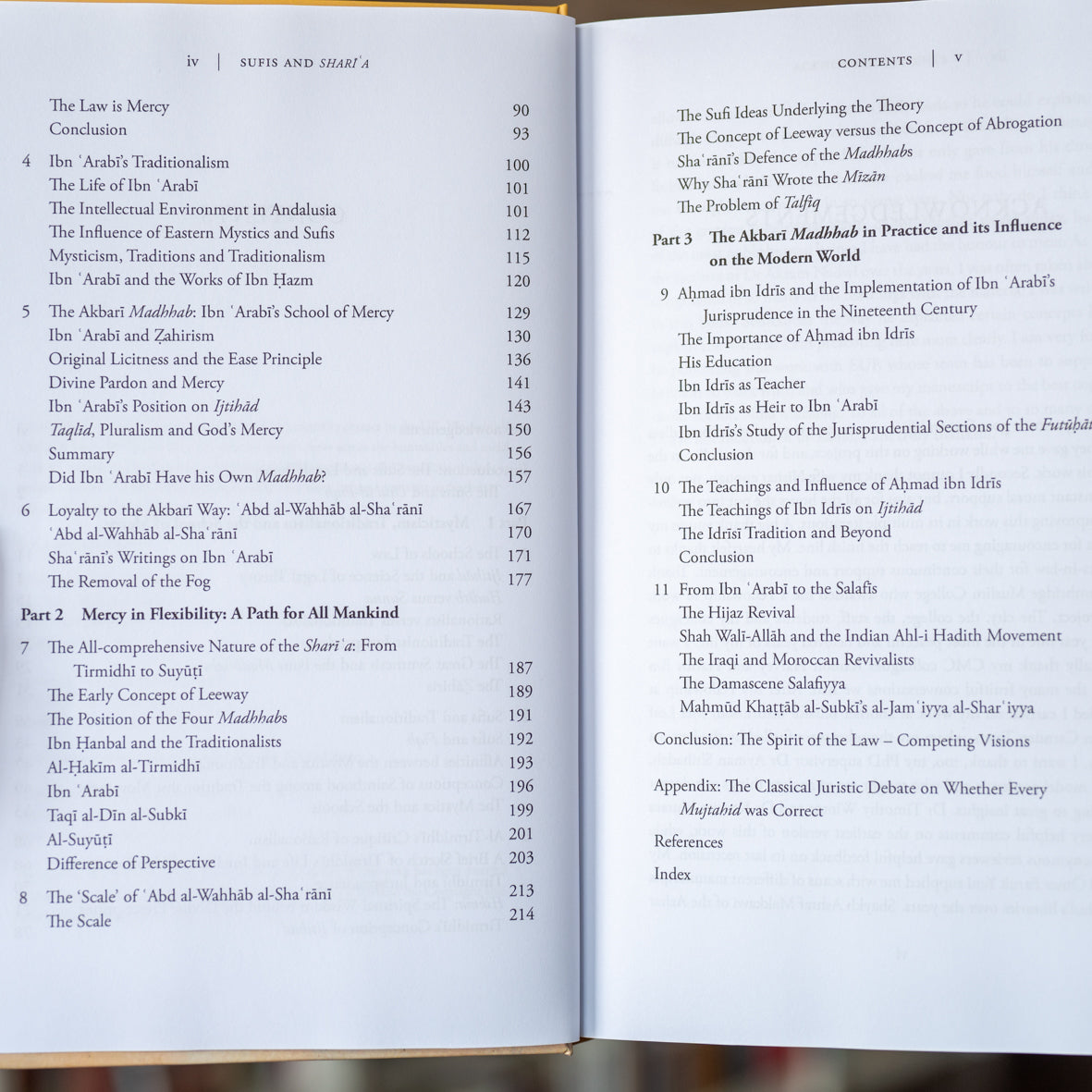
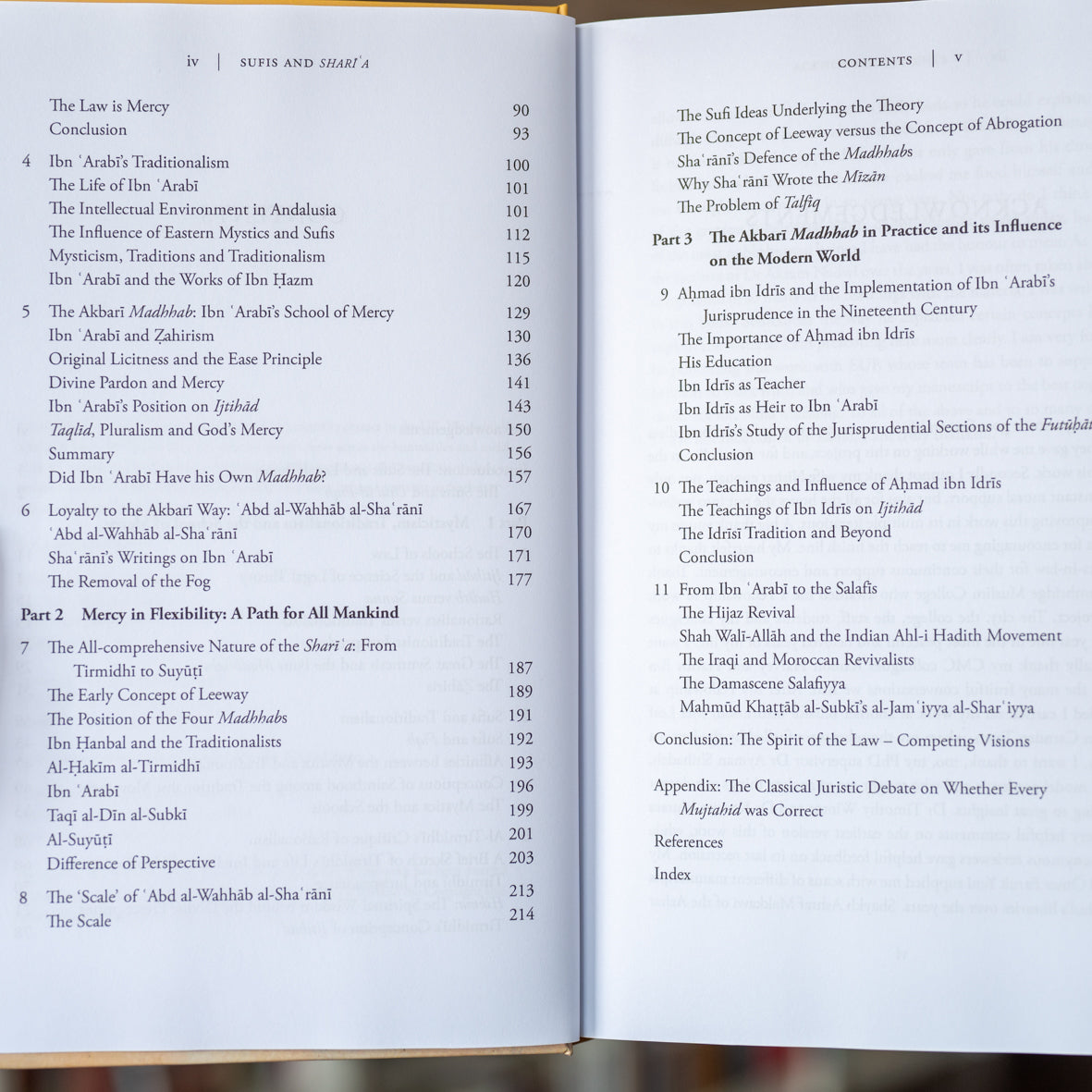
4. Ibn ʿArabī’s Traditionalism
5. The Akbarī Madhhab: Ibn ʿArabī’s School of Mercy
6. Loyalty to the Akbarī Way: ʿAbd al-Wahhāb al-Shaʿrānī
Part Two: Mercy in Flexibility: A Path for All Mankind
7. The All-Comprehensive Nature of the Sharīʿa: From Tirmidhī to Suyūṭī
8. The ‘Scale’ of ʿAbd al-Wahhāb al-Shaʿrānī
Part Three: The Akbarī Madhhab in Practice and its Influence on the Modern World
9. Aḥmad ibn Idrīs and the Implementation of Ibn ʿArabī’s Jurisprudence in the 19th Century
10. The Teachings and Influence of Aḥmad ibn Idrīs
11. From Ibn ʿArabī to the Salafīs
The Spirit of the Law: Competing Visions
Appendix: The Classical Juristic Debate on Whether or not Every Mujtahid Was Correct
Al-Ghazālī and Infallibilism
Ibn ʿArabī, Suyūṭī and Shaʿrānī

You have successfully commented, please wait for review
Copied Successfully
You can enjoy up to 1 free gift!