What are you looking for?
Search

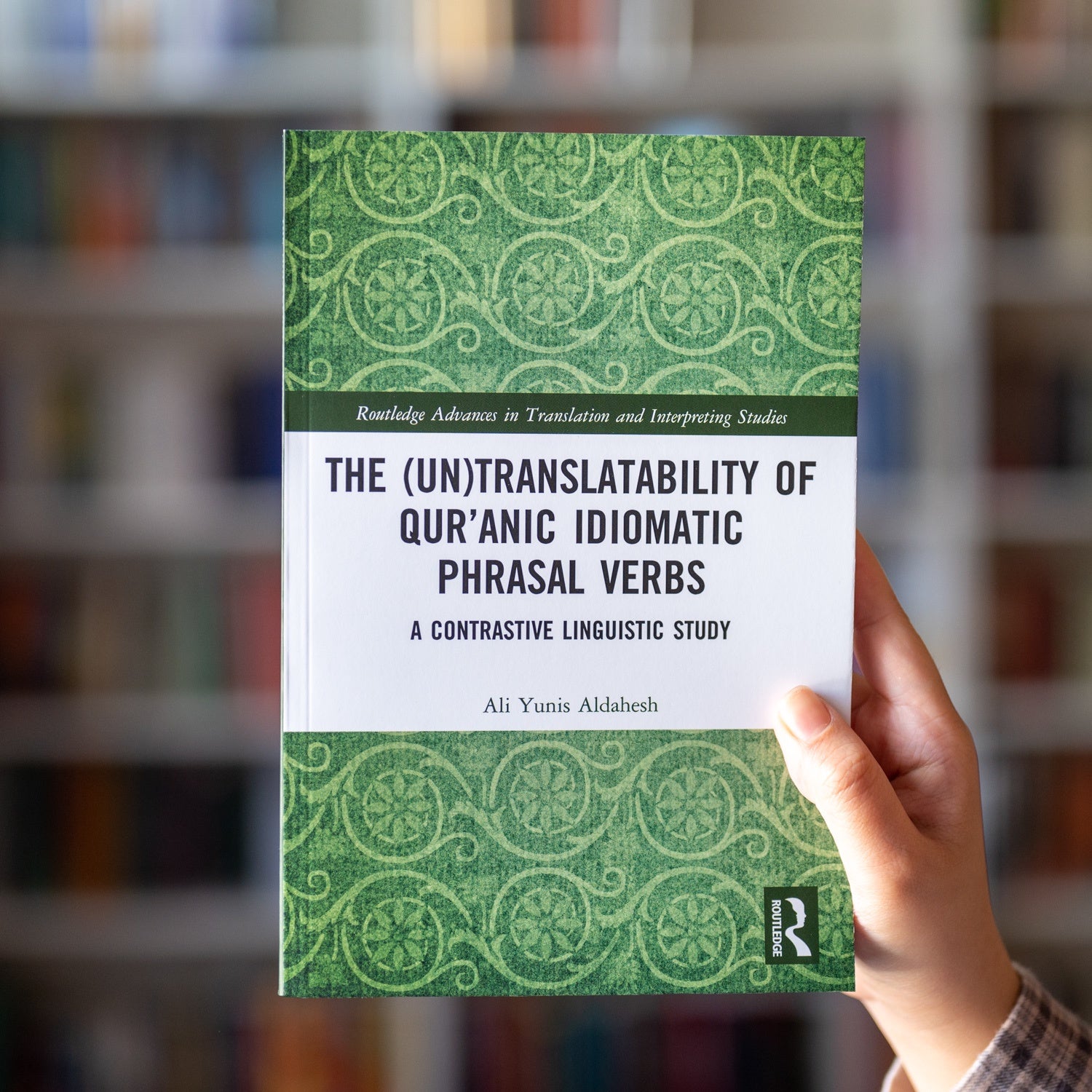
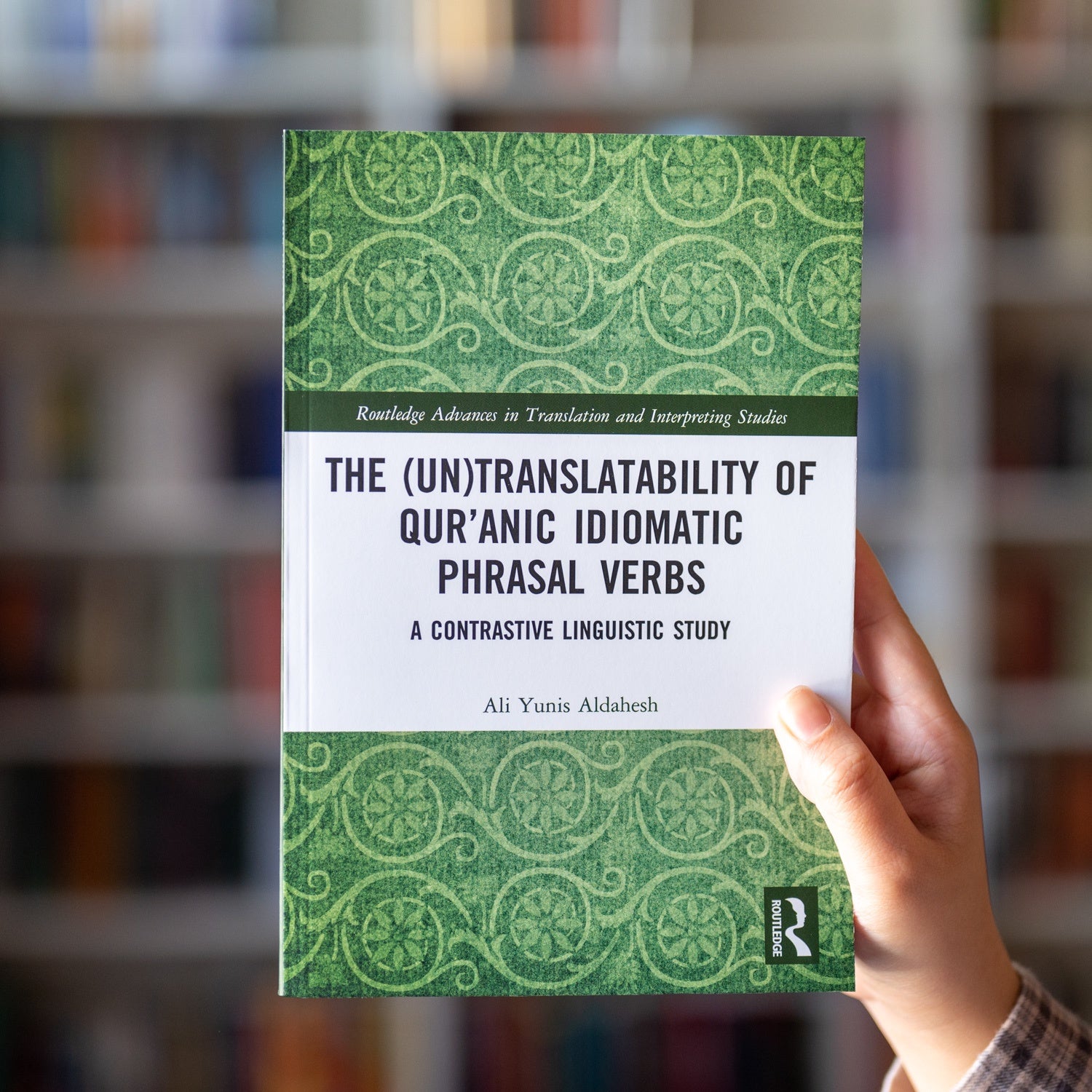

Ali Yunis Aldahesh
Paperback, 294 pages
9781032034331
A Contrastive Linguistic Study
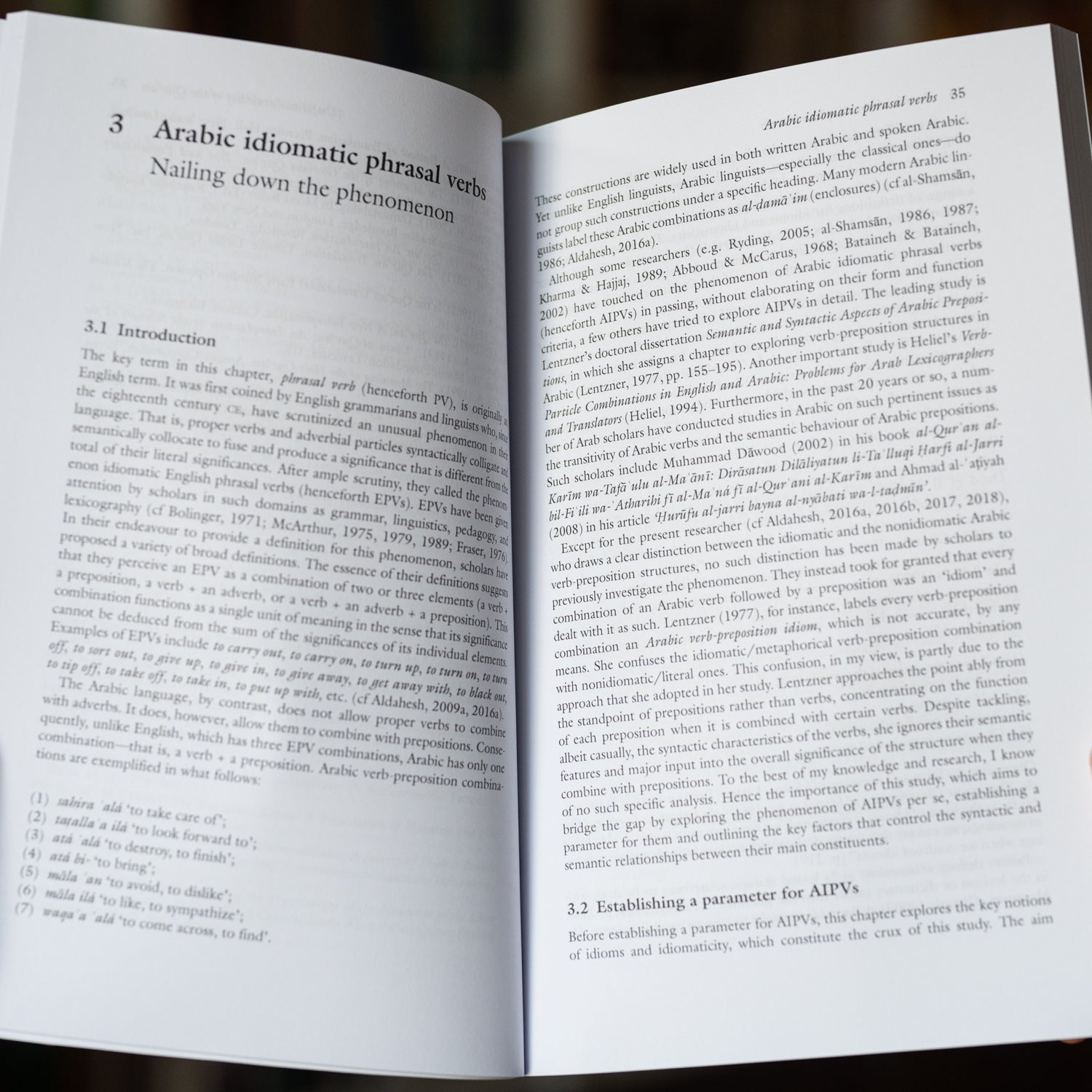
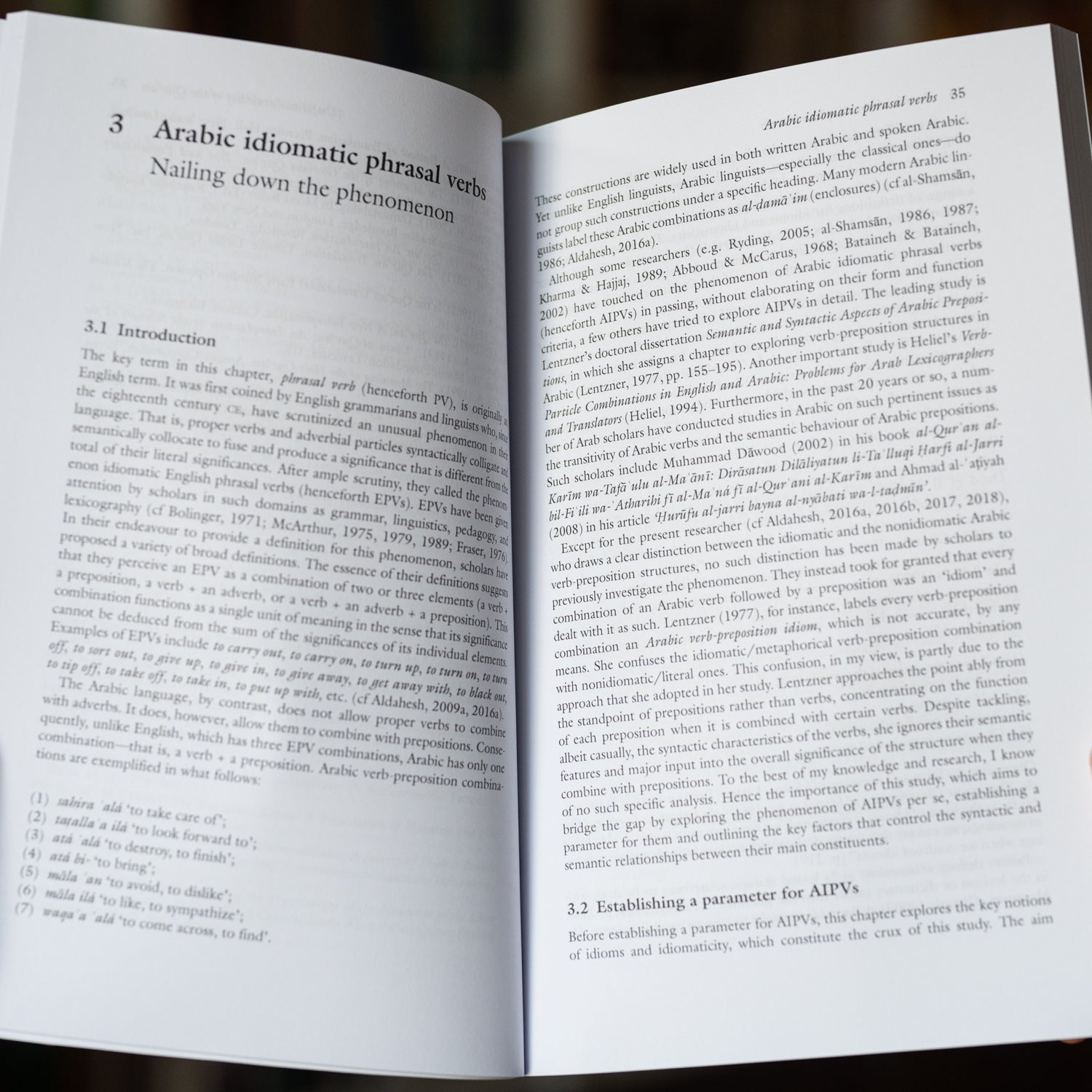
Qur’anic idiomaticity, in its all aspects, poses a great deal of challenge to Qur’an readers, learners, commentators, and translators. One of the most challenging aspects of Qur’anic idiomaticity is Qur’anic idiomatic phrasal verbs, where significances of proper Arabic verbs are entirely fused with significances of prepositions following them to produce new significances that have nothing to do with the basic significances of those verbs and prepositions.
By examining a corpus of ten of the most influential English translations of the Qur’an, this study scrutinizes how some translators of the Qur’an have dealt with the phenomenon of Qur’anic idiomatic phrasal verbs, the difficulties that they have encountered when translating them into English, and the strategies that they have employed in their attempts to overcome the inherent ambiguity of such expressions and provide their functional-pragmatic equivalents for English readership.
The study proposes a working model for analysing and assessing the translation of the Qur’anic idiomatic phrasal verbs and provides a number of theory-based recommendations for translators in general and Qur’an translators in particular.
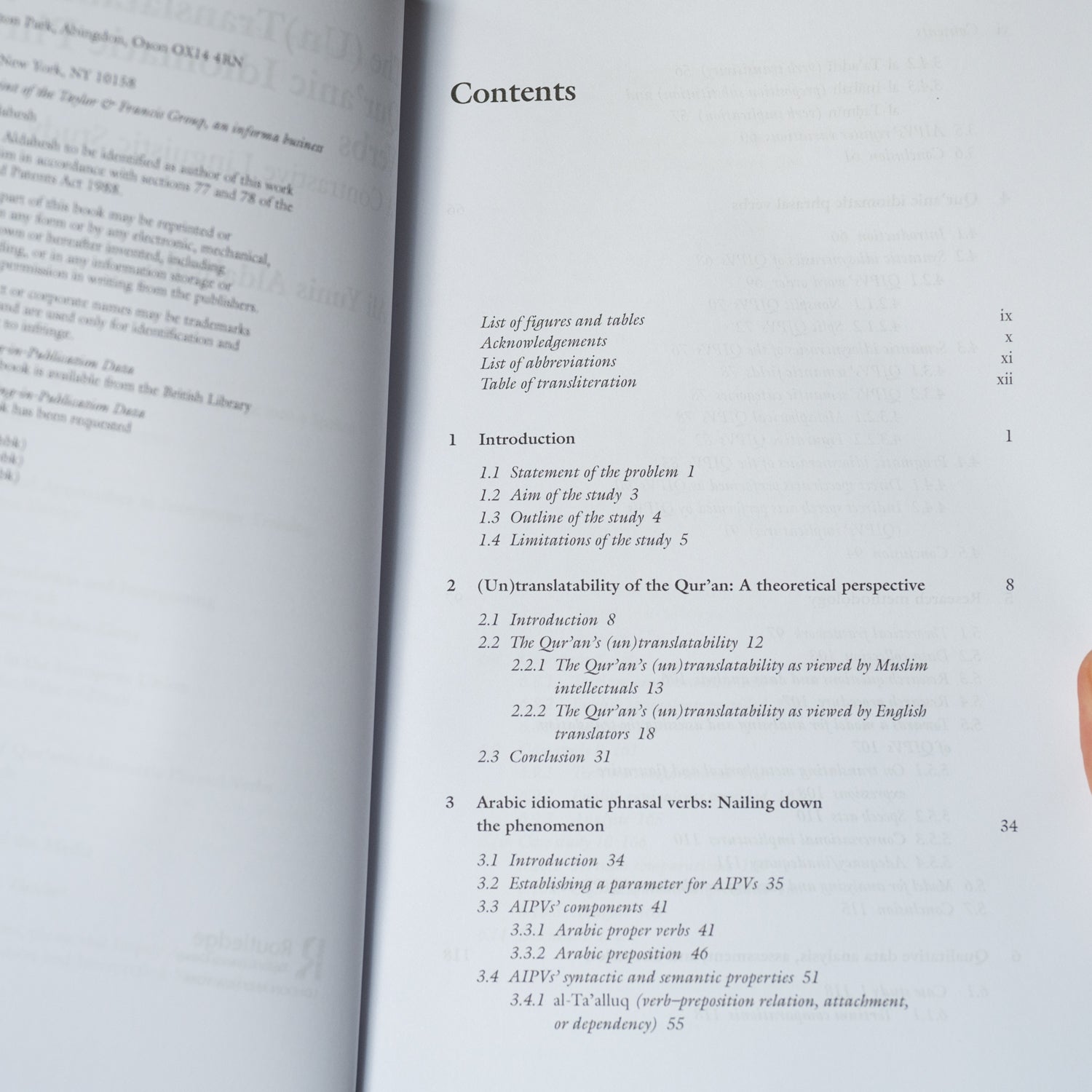
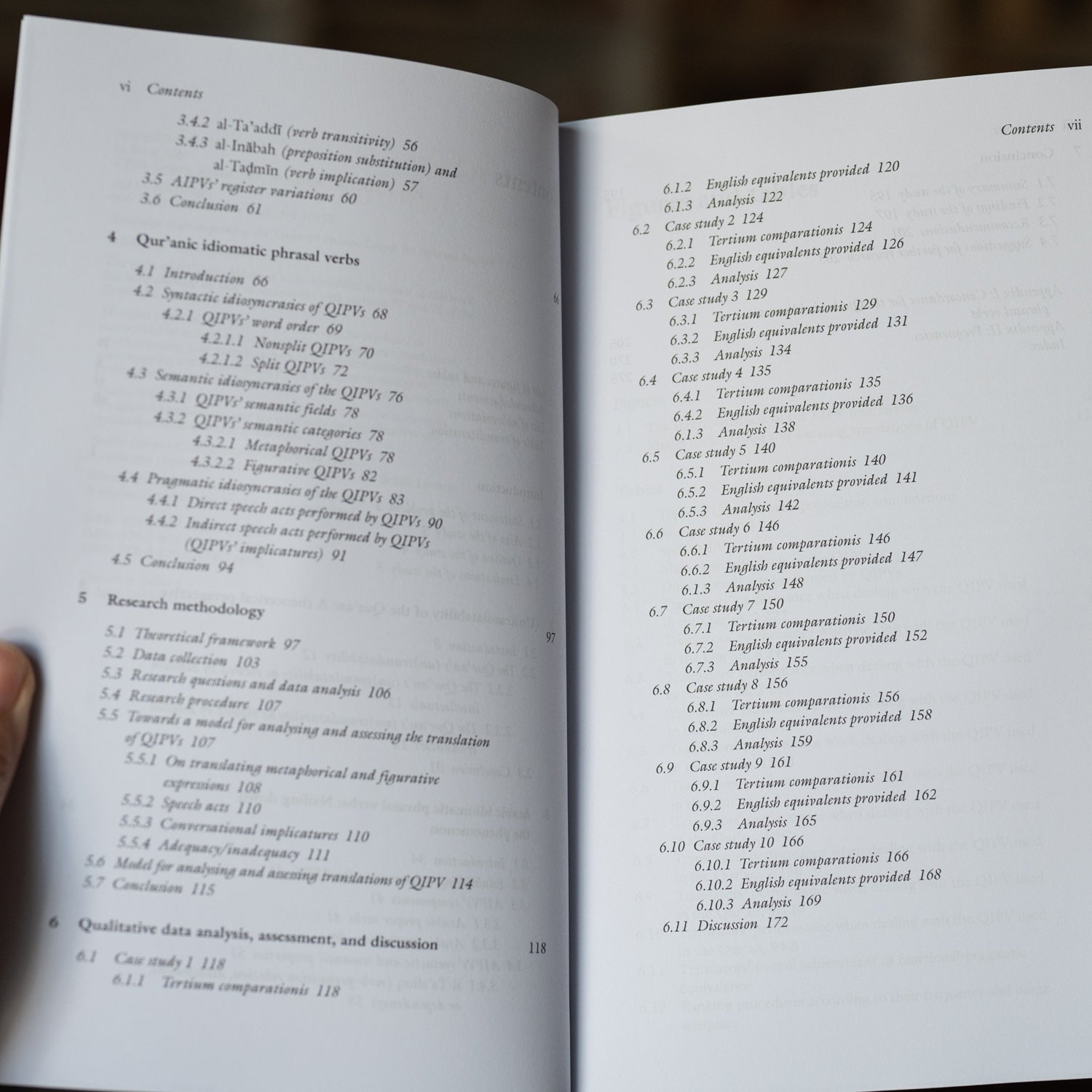
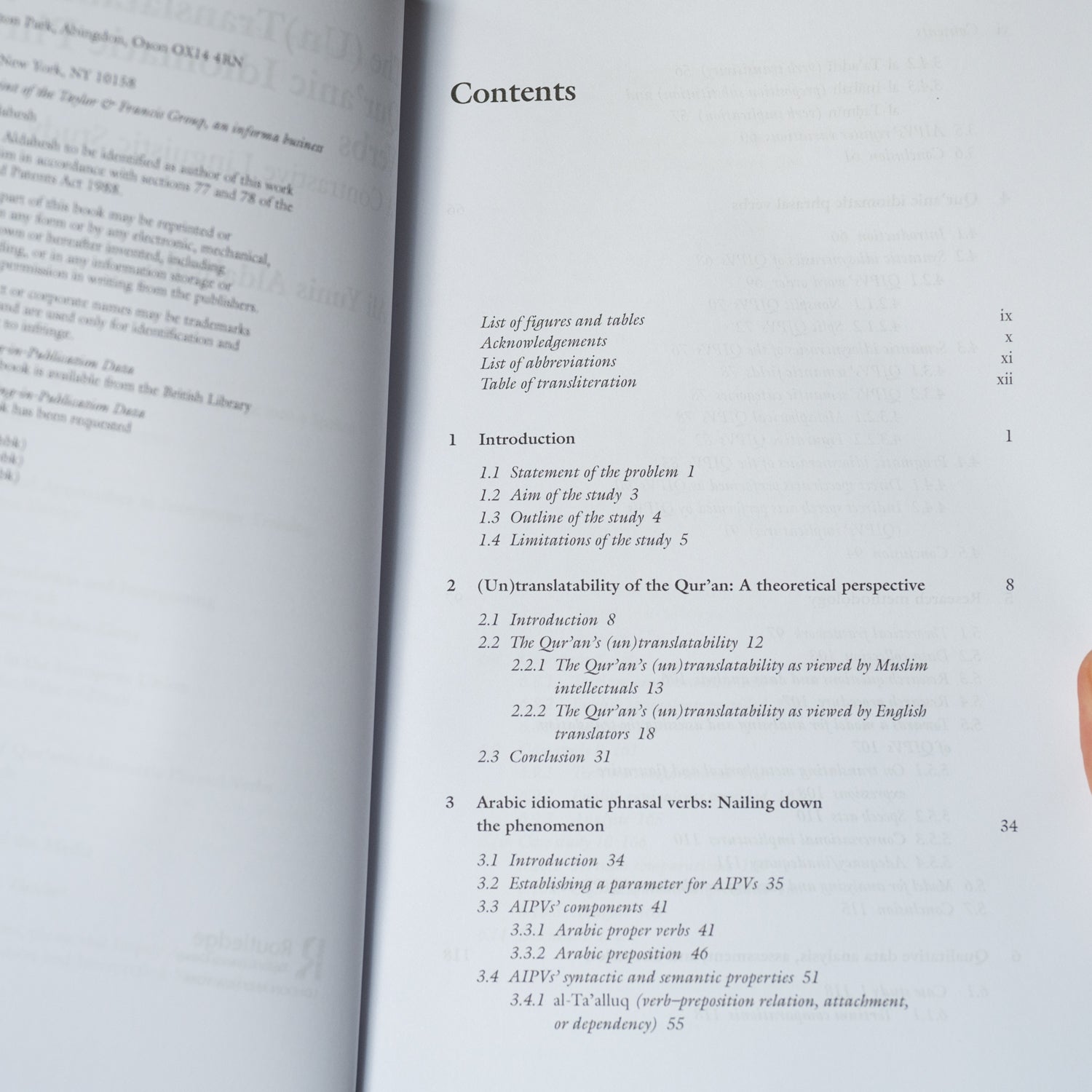
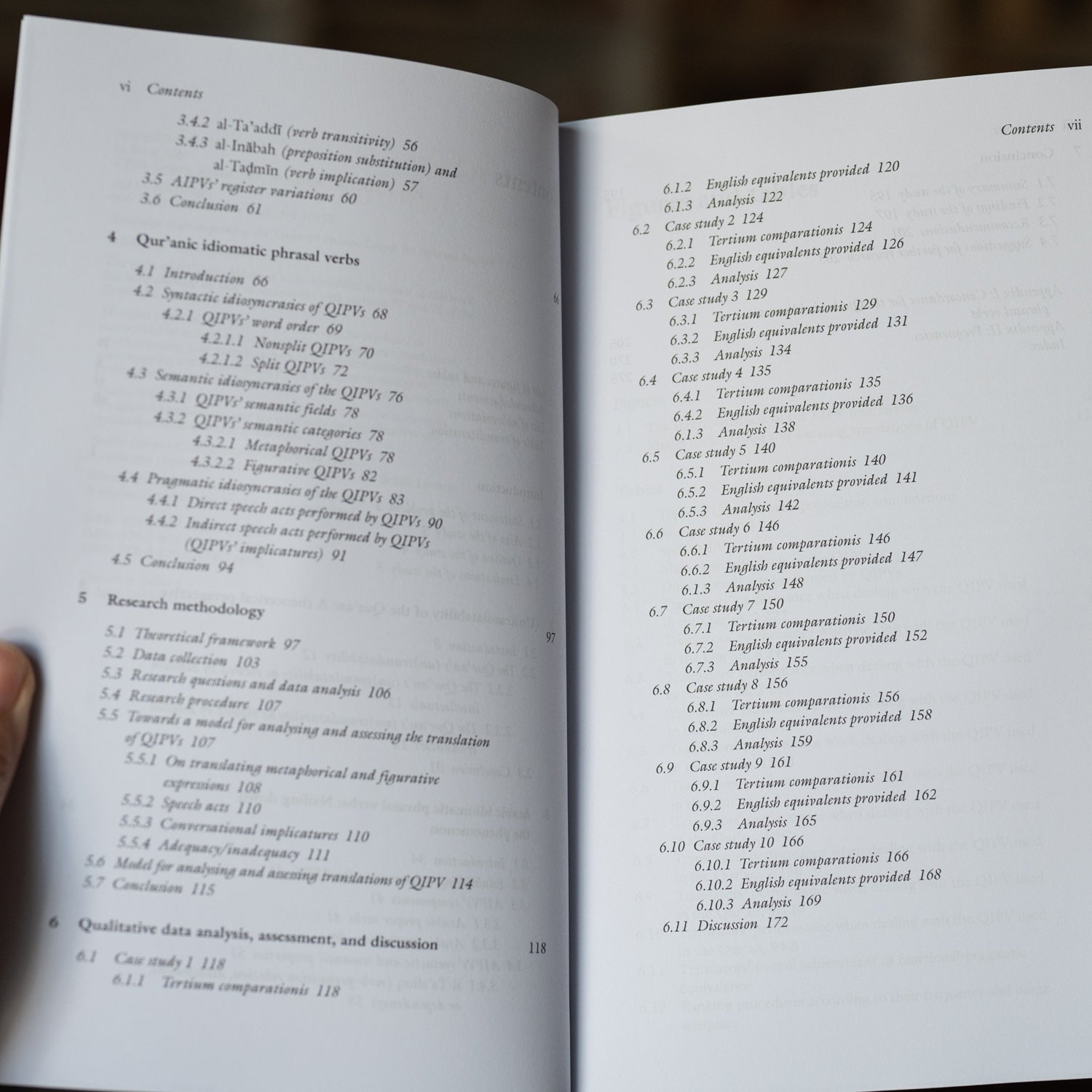
Contents
1. Introduction
2. (Un)Translatability of the Qur’an: A Theocratical Perspective
3. Arabic Idiomatic Phrasal Verbs: Nailing Down the Phenomenon
4. Qur’anic Idiomatic Phrasal Verbs
5. Research Methodology
6. Qualitative Data Analysis, Assessment, and Discussion
7. Conclusion

You have successfully commented, please wait for review
Copied Successfully
You can enjoy up to 1 free gift!