What are you looking for?
Search

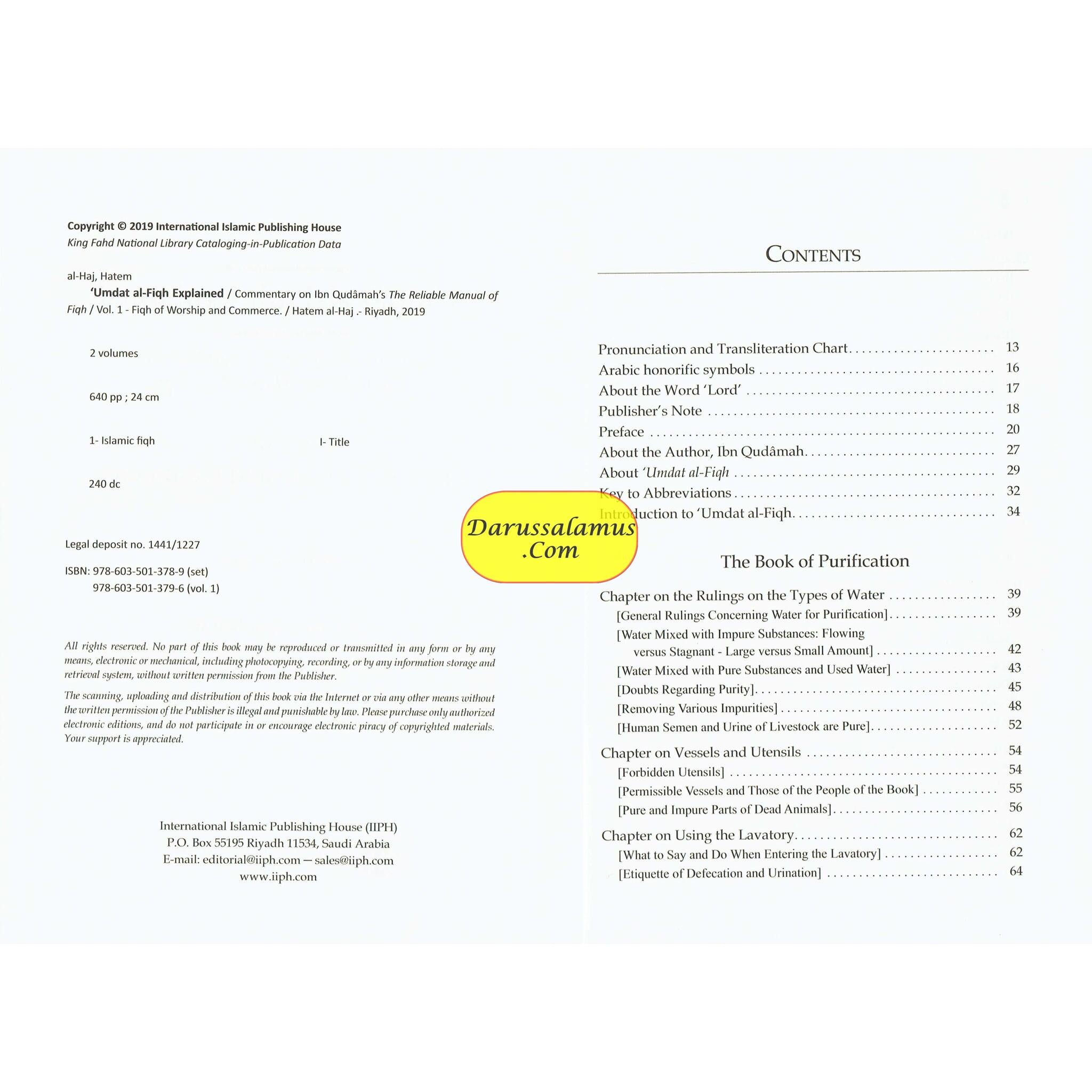
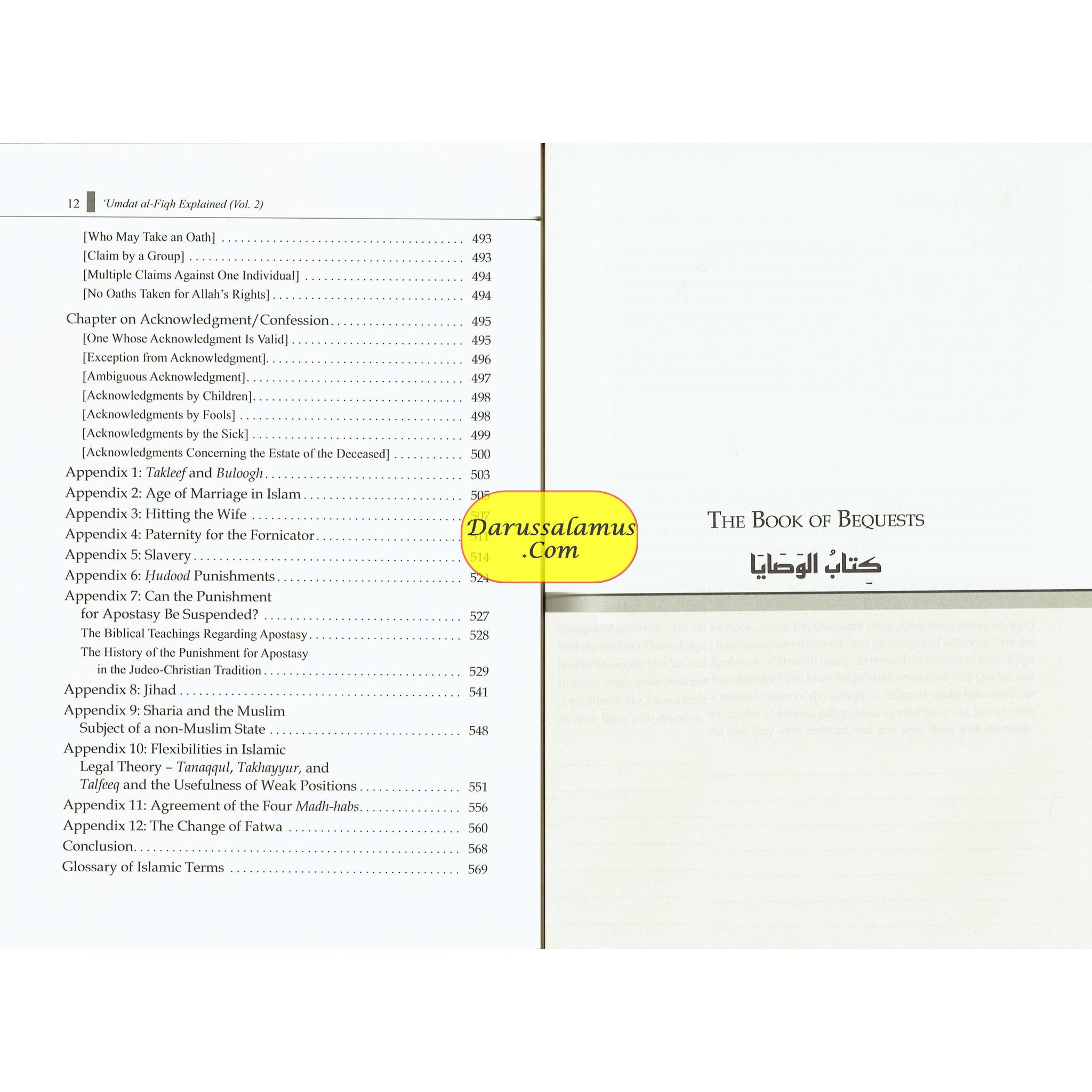
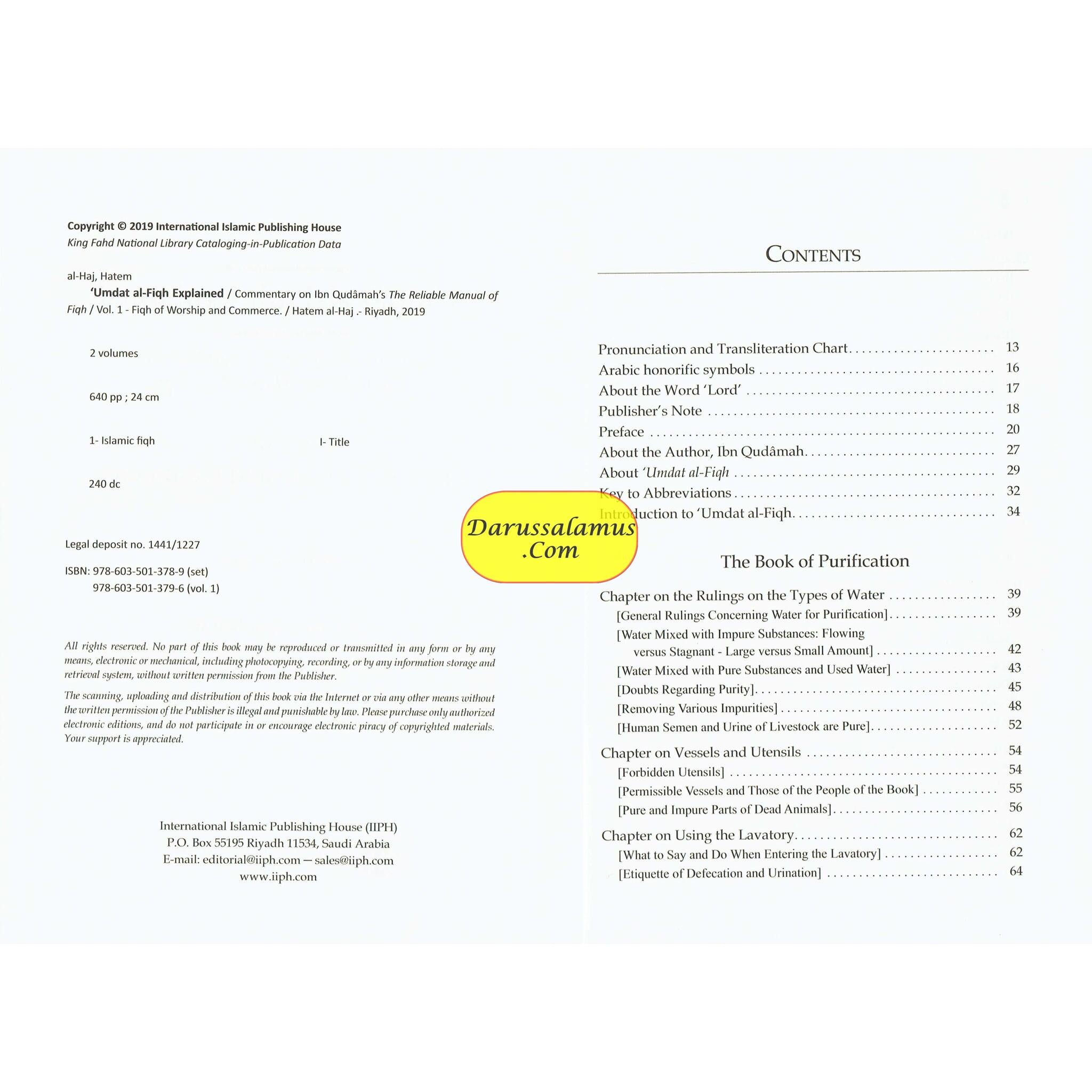
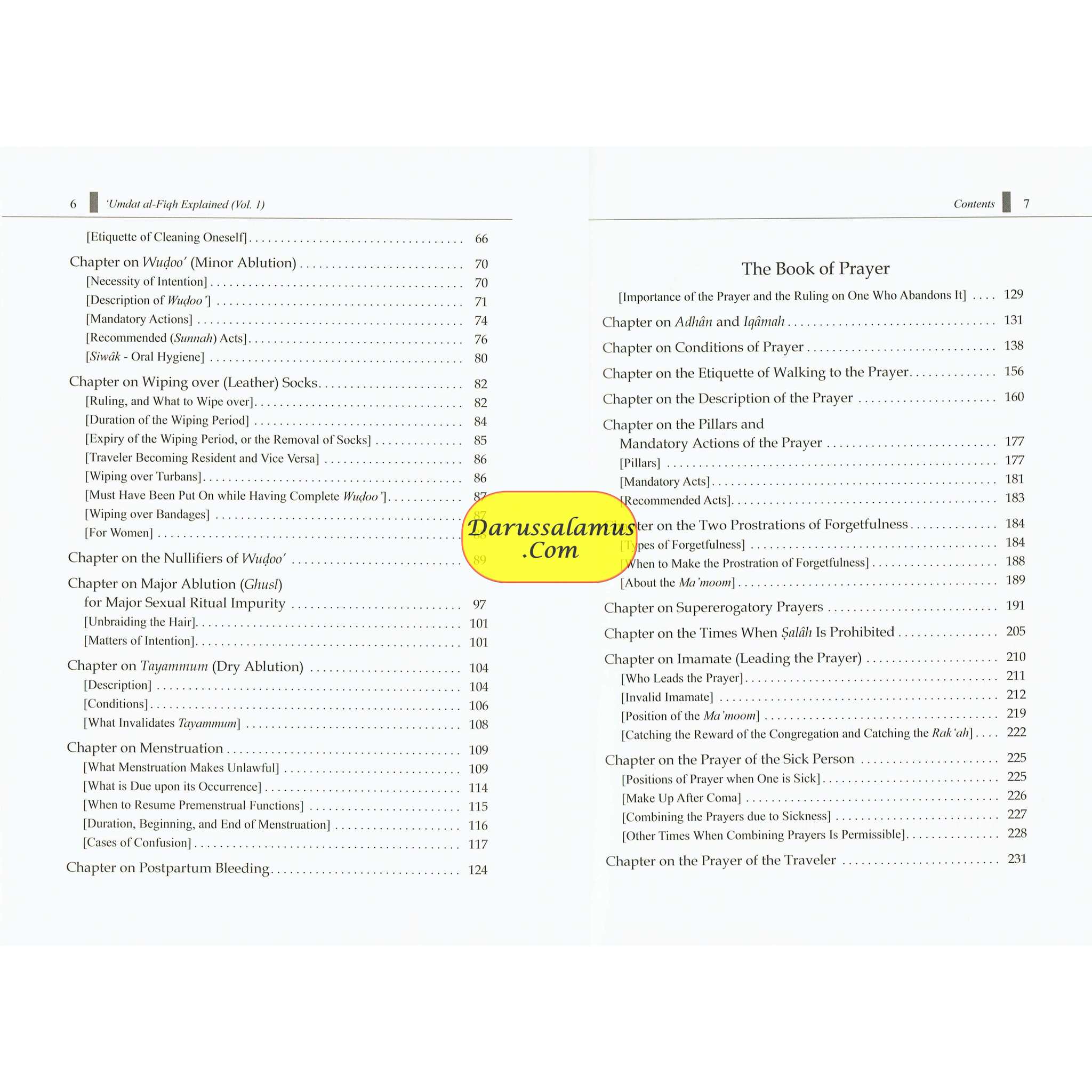
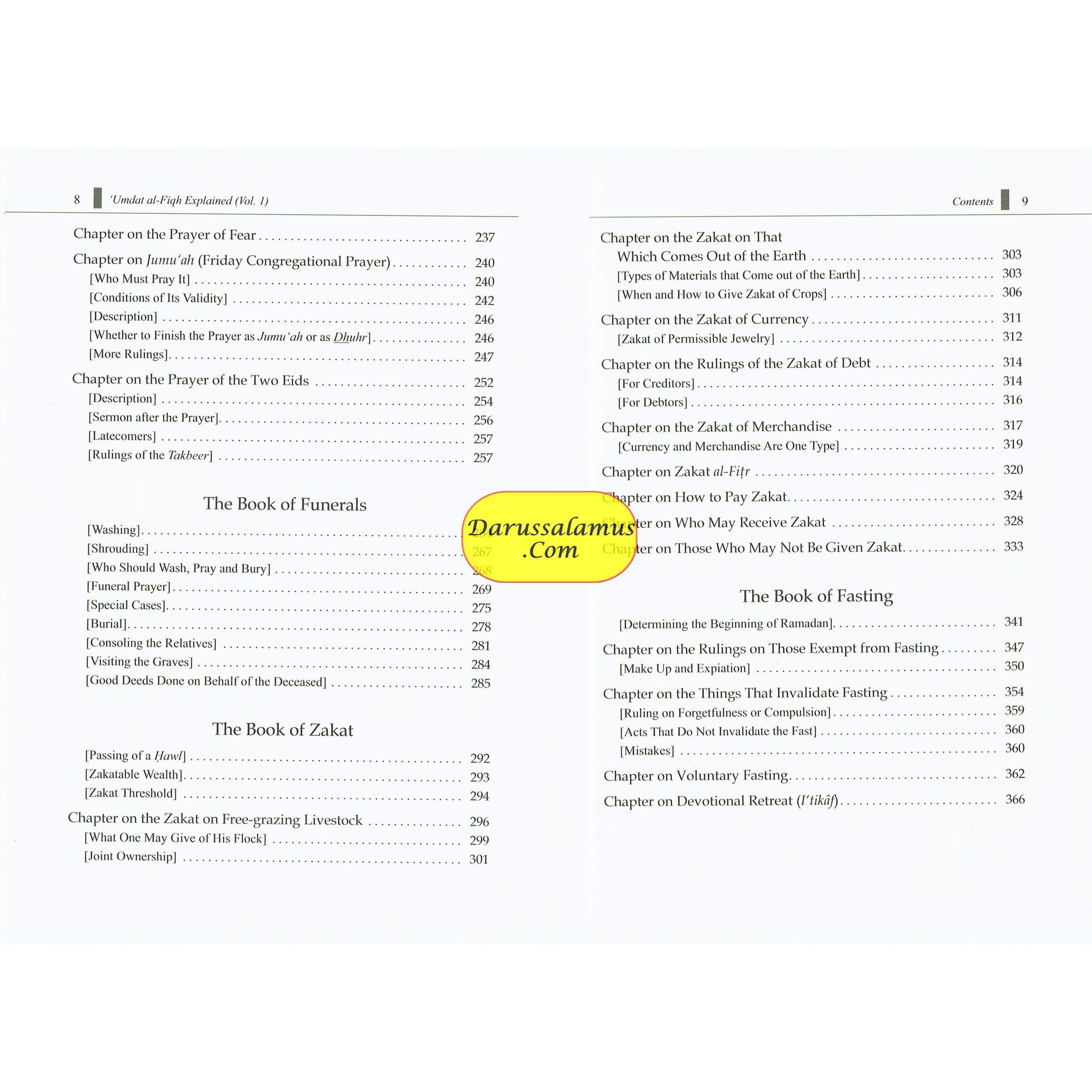
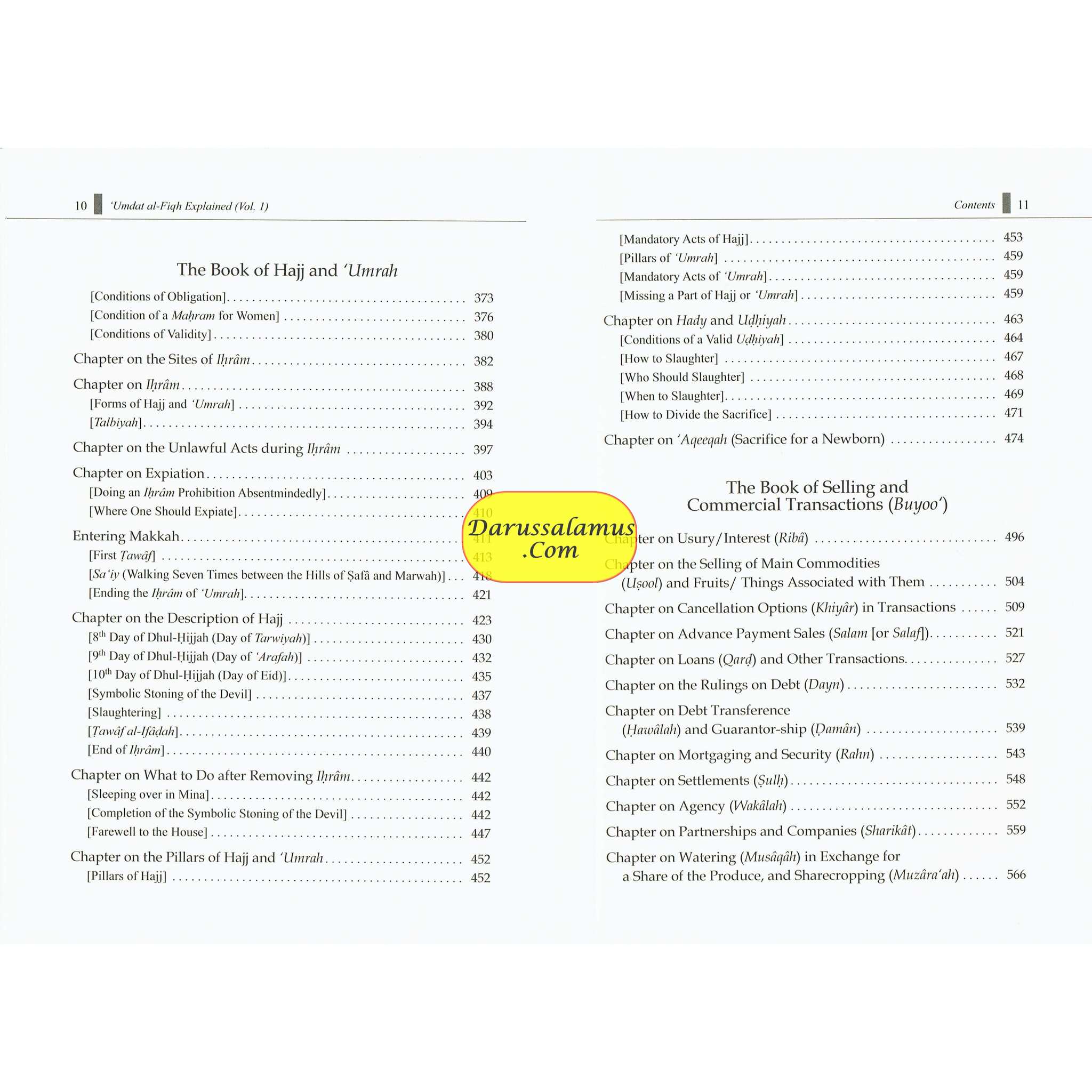

Umdat Al-Fiqh Explained: A Commentary on Ibn Qudamah’s The Reliable Manual of Fiqh (2 Vol Set) By Dr. Hatem Al-Haj
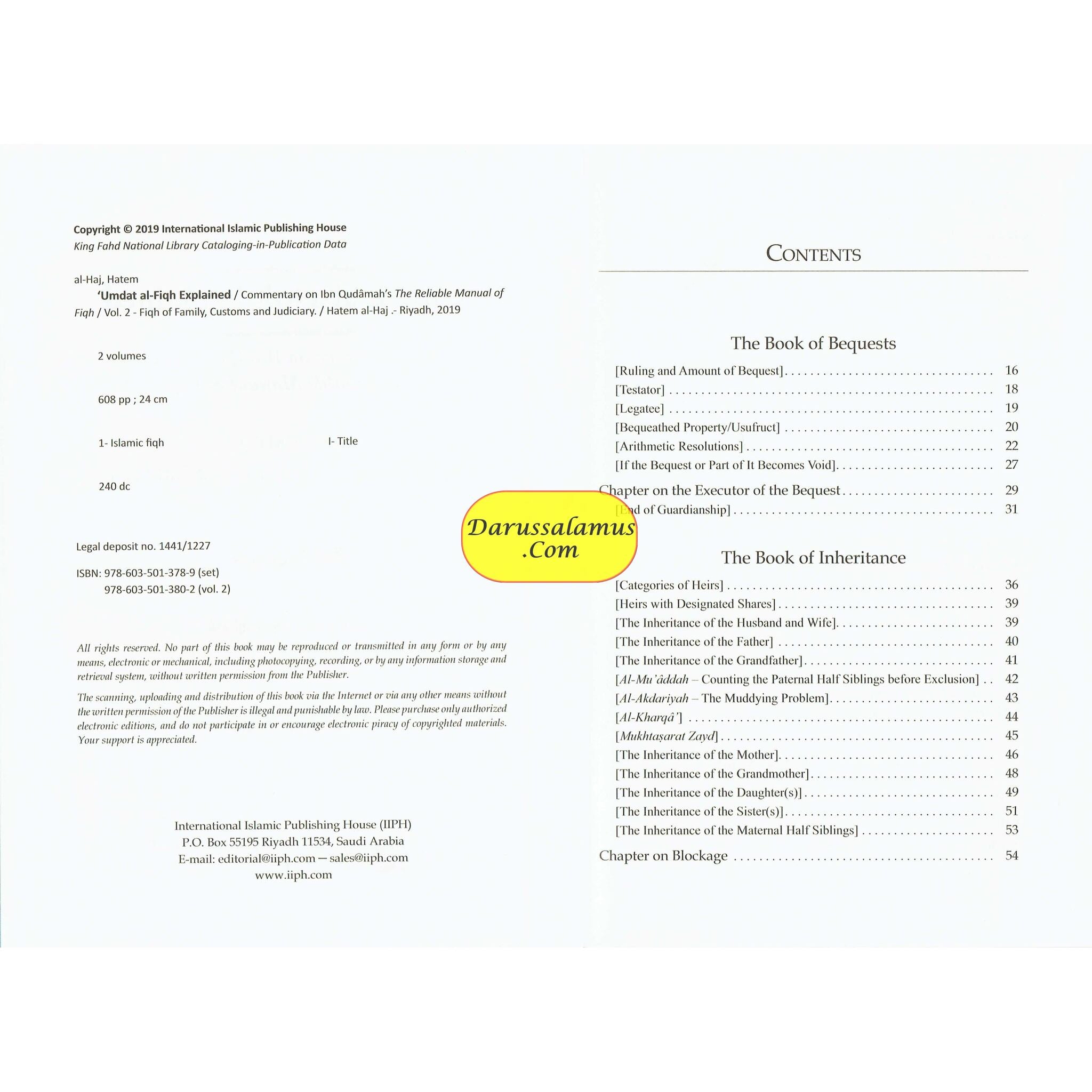
ISBN: 9786035013789
Author: Dr. Hatem Al-Haj
Book Binding: Hardcover
Pages: 1234
Size: 9.5 x 6.8 x 1.3
Publication Year: 2019
Description
About This Book:
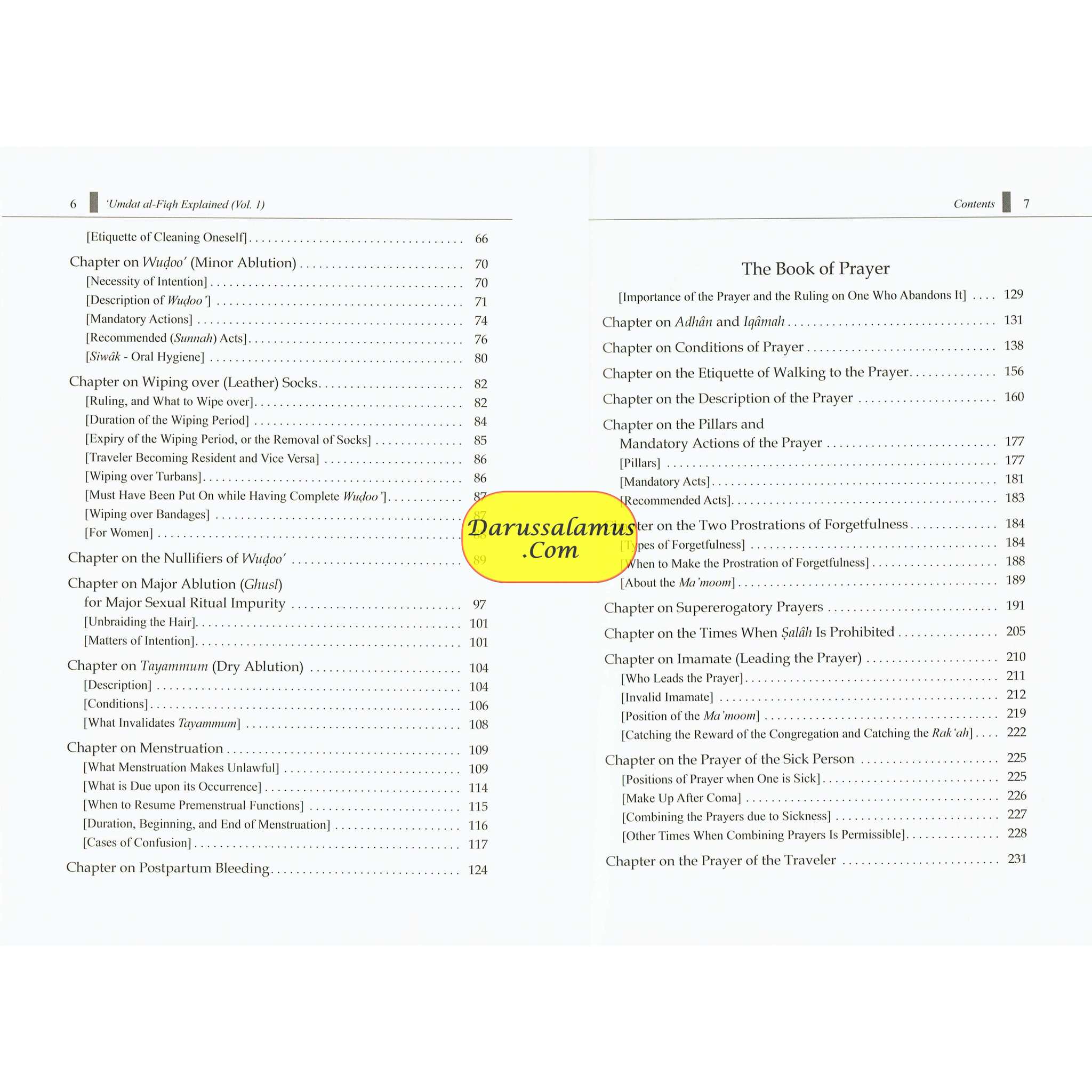
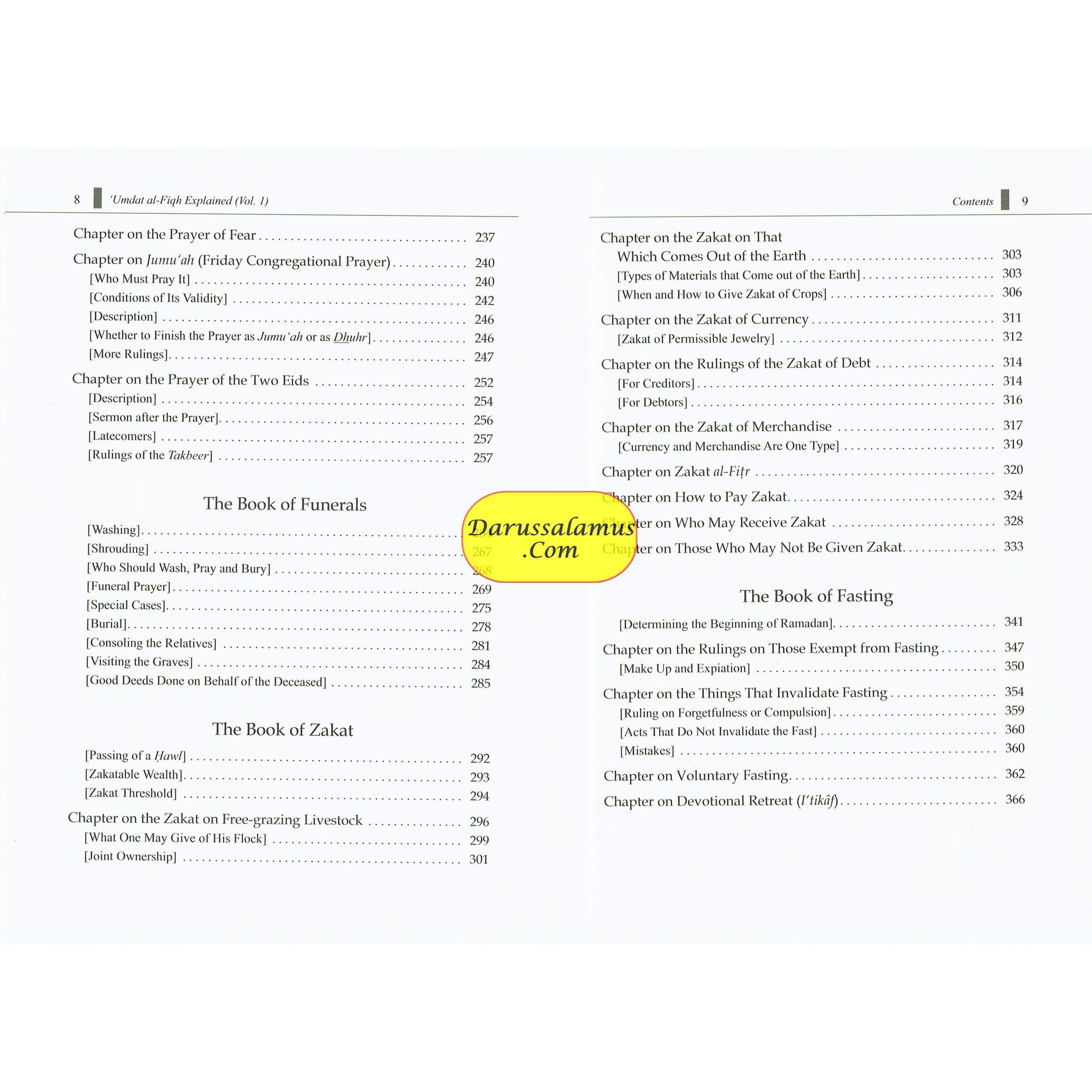
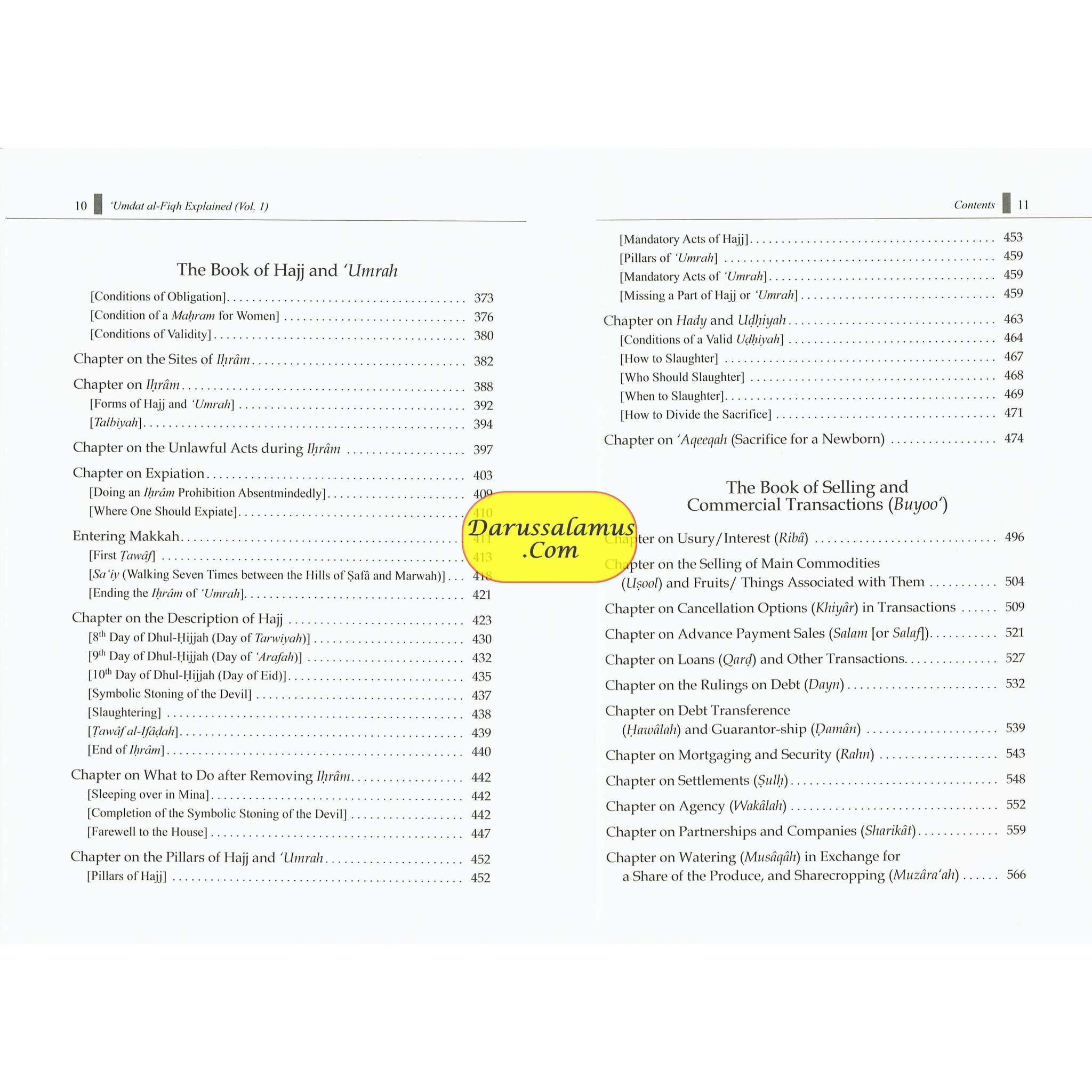
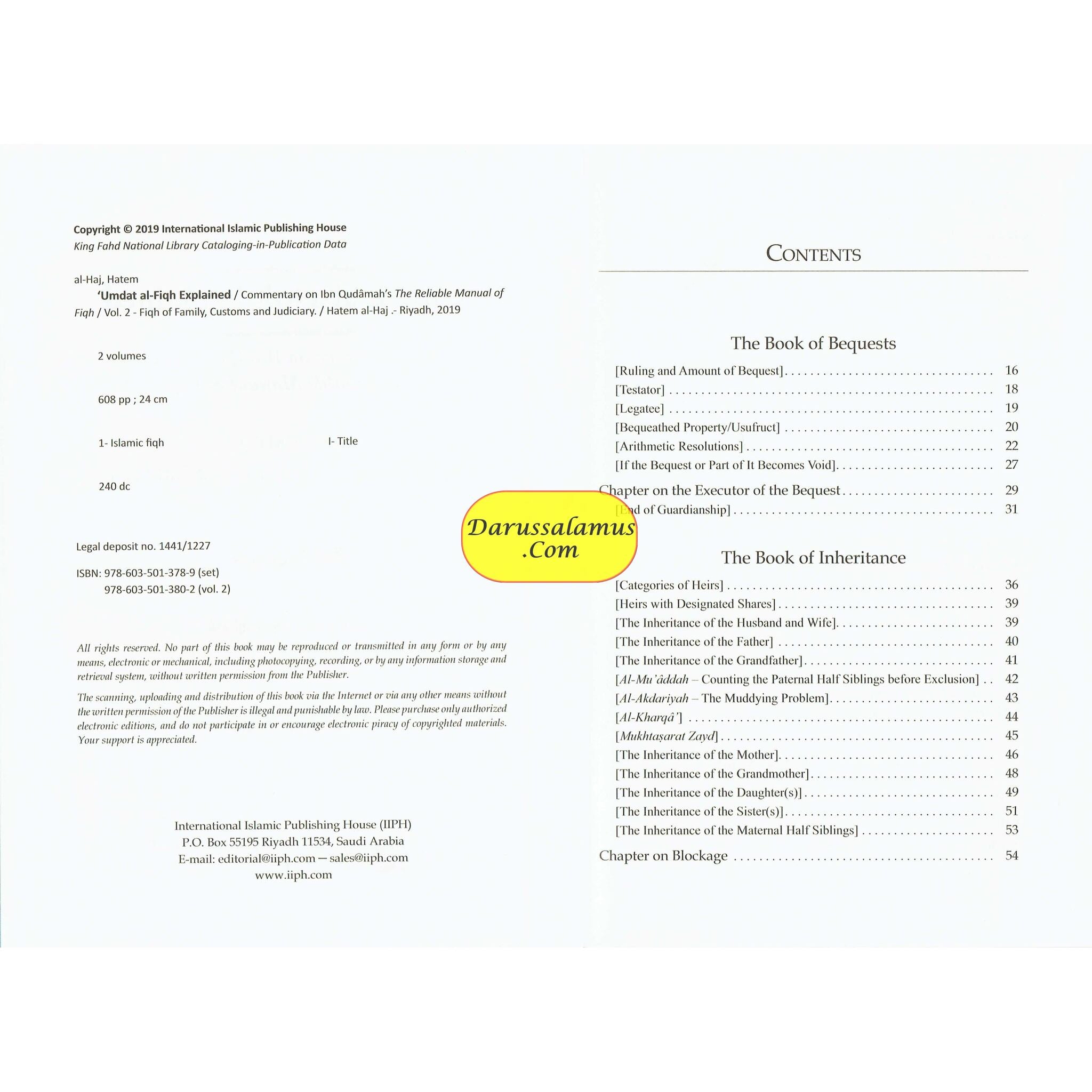
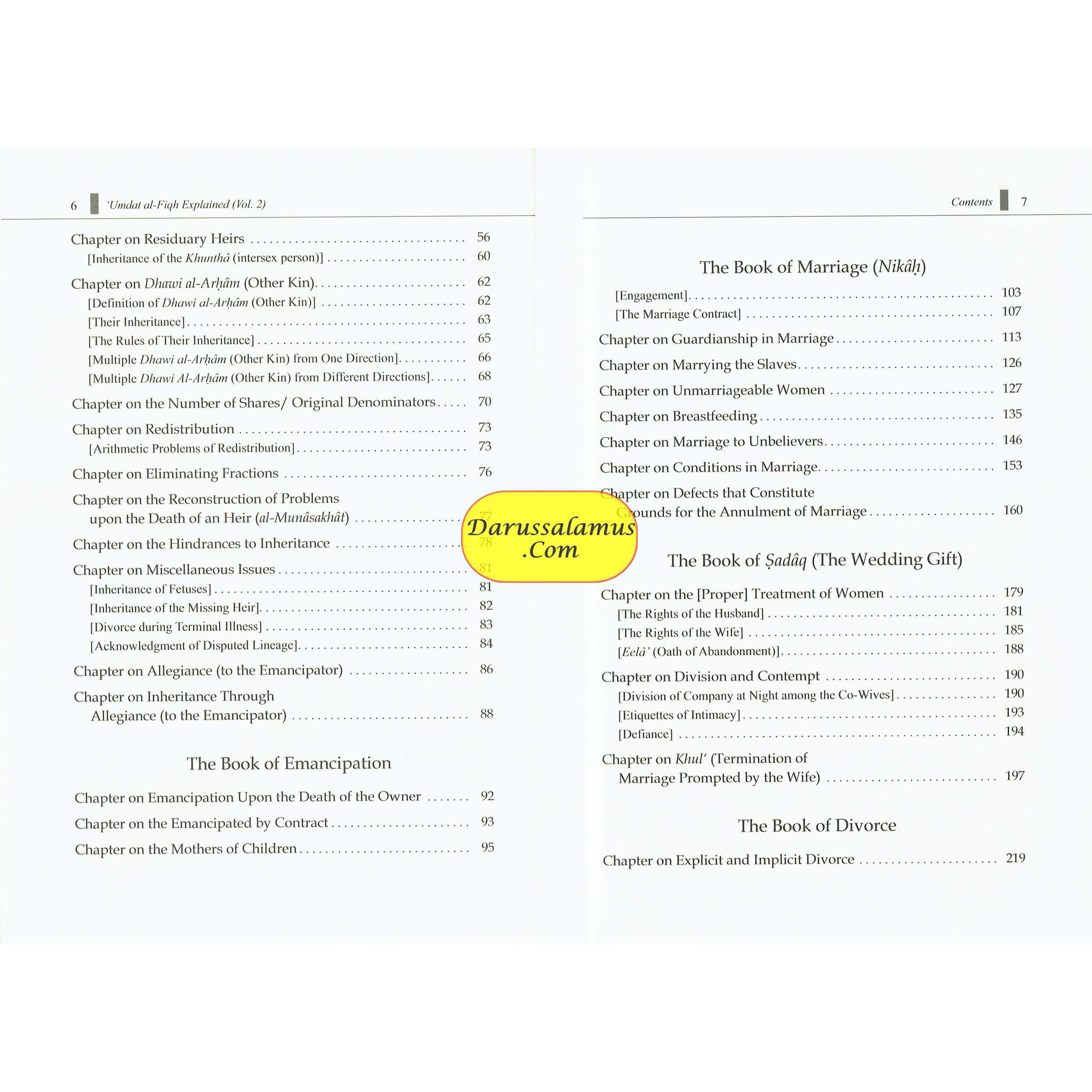
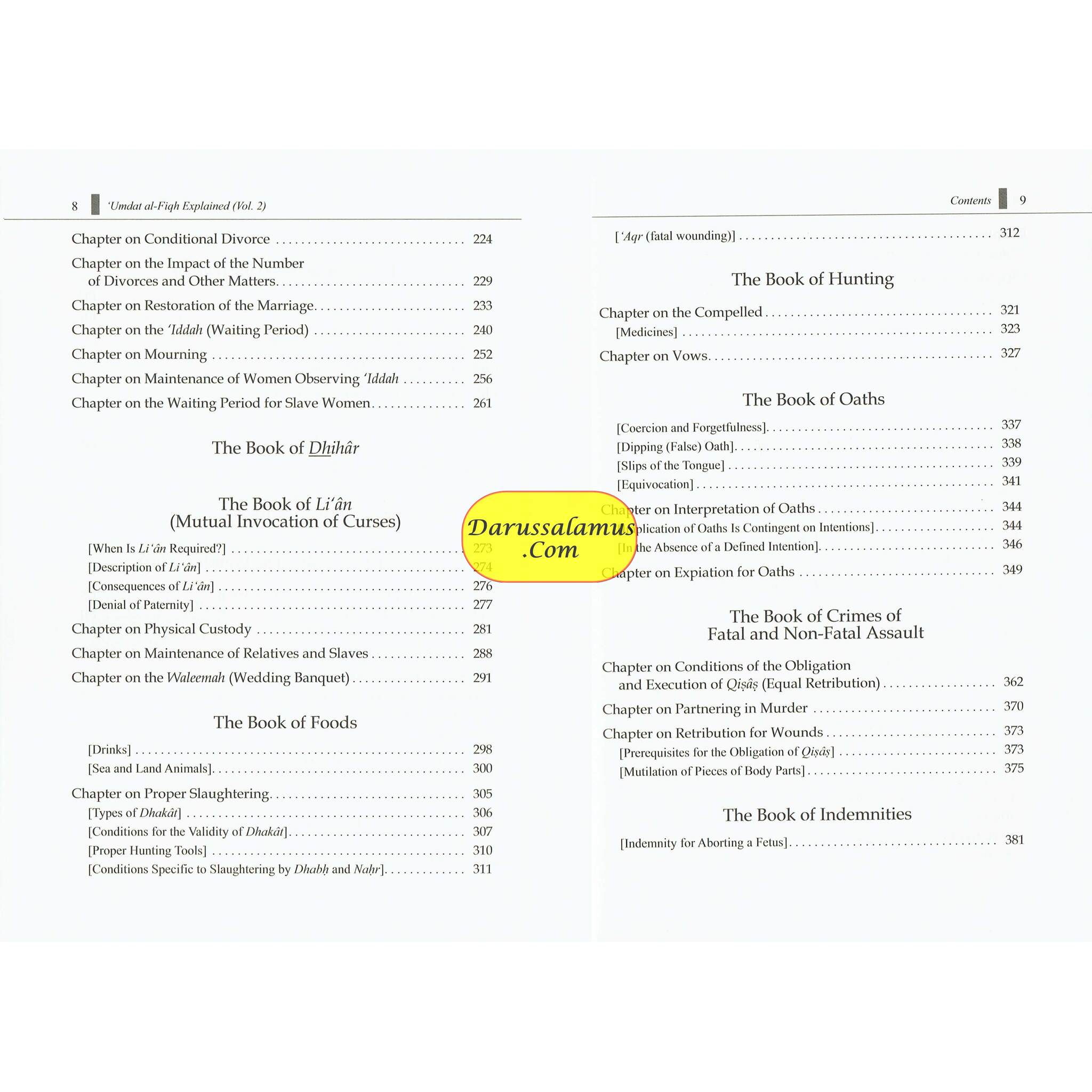
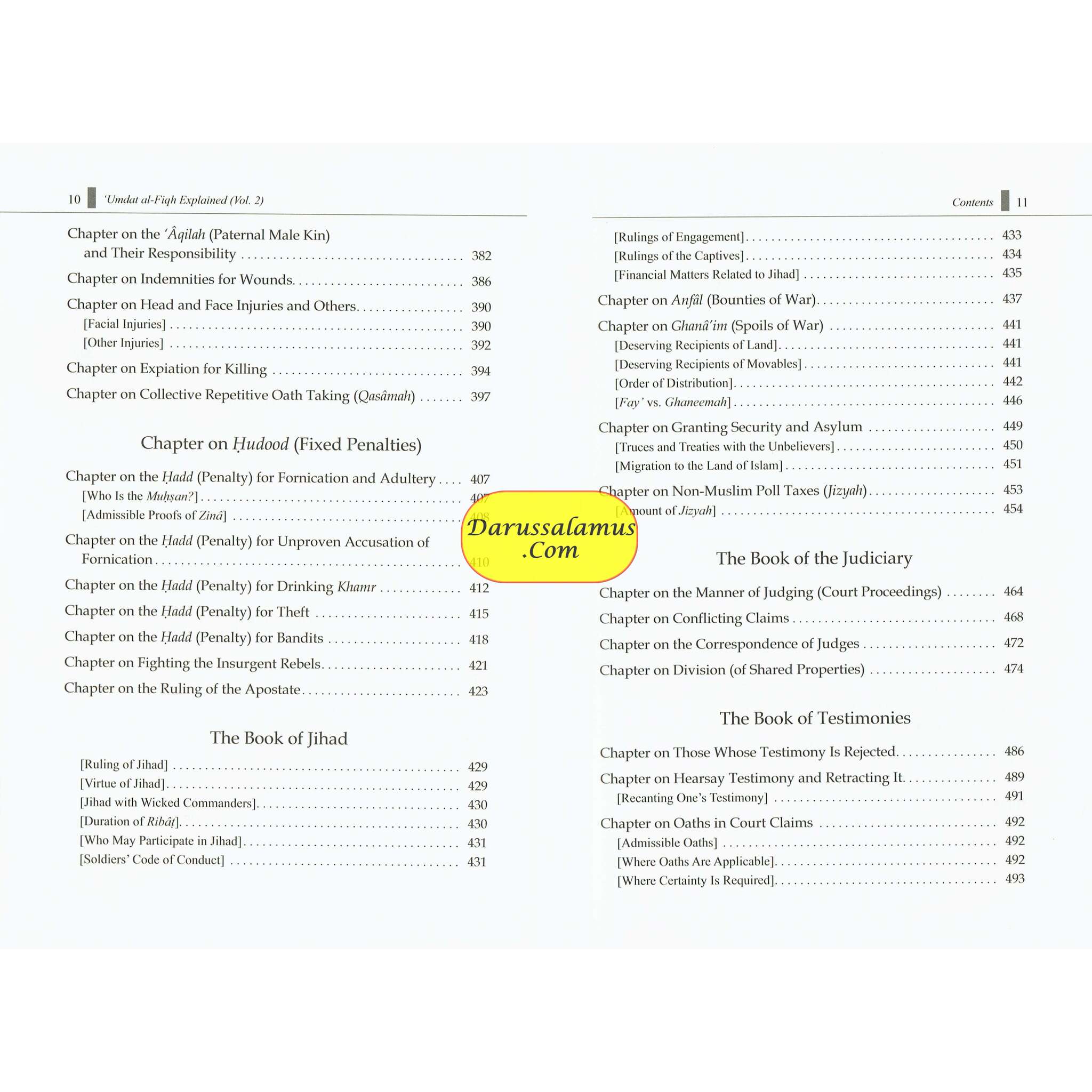
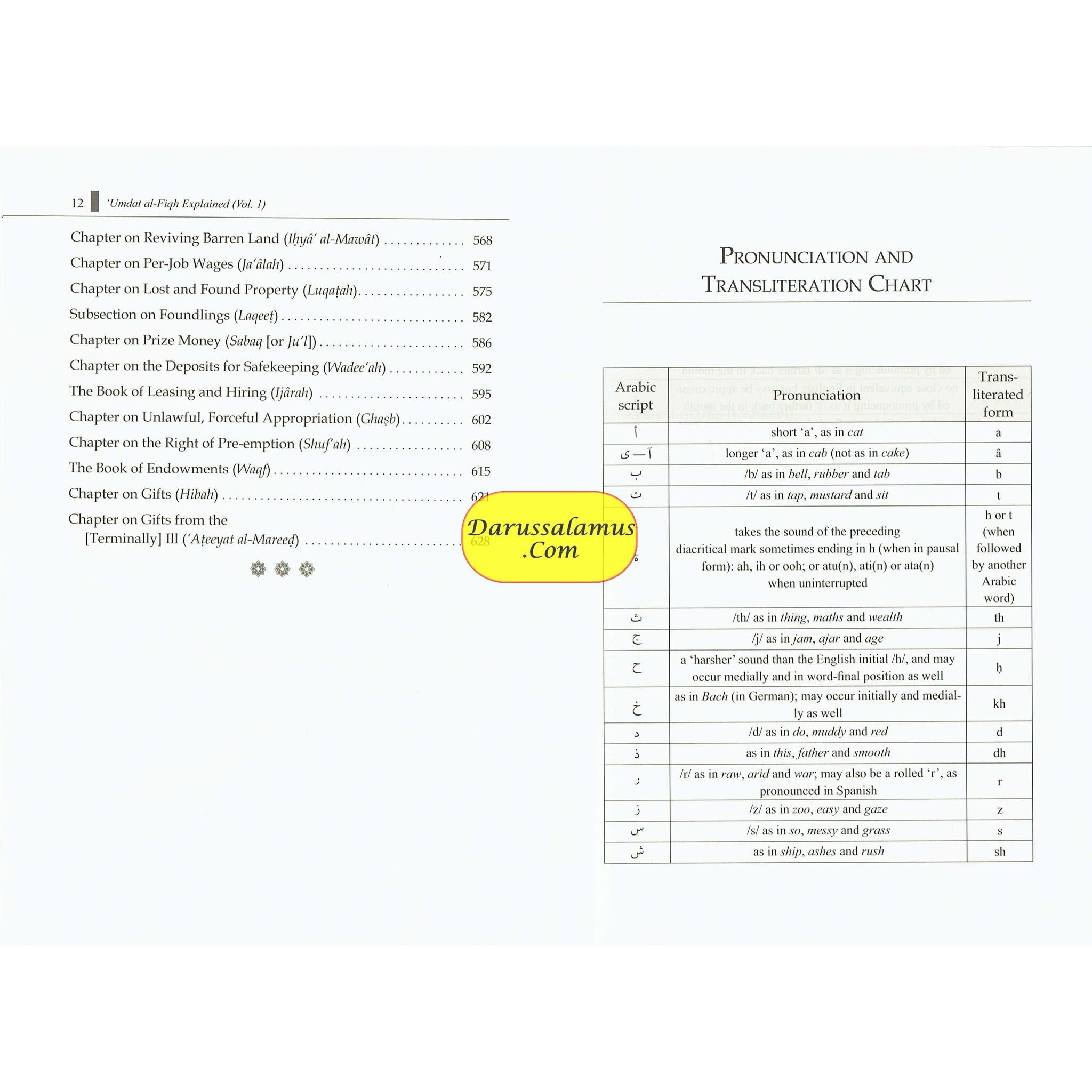
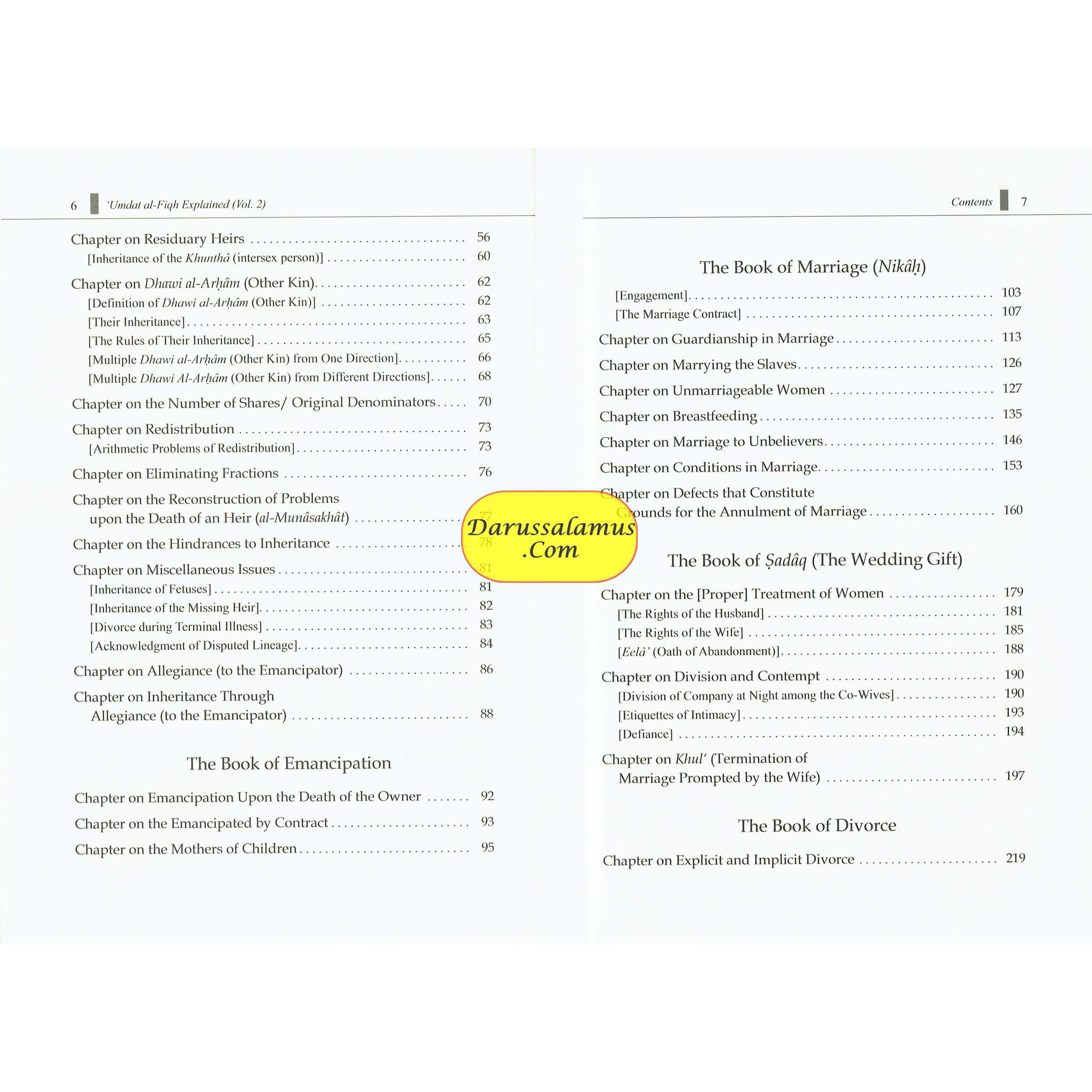
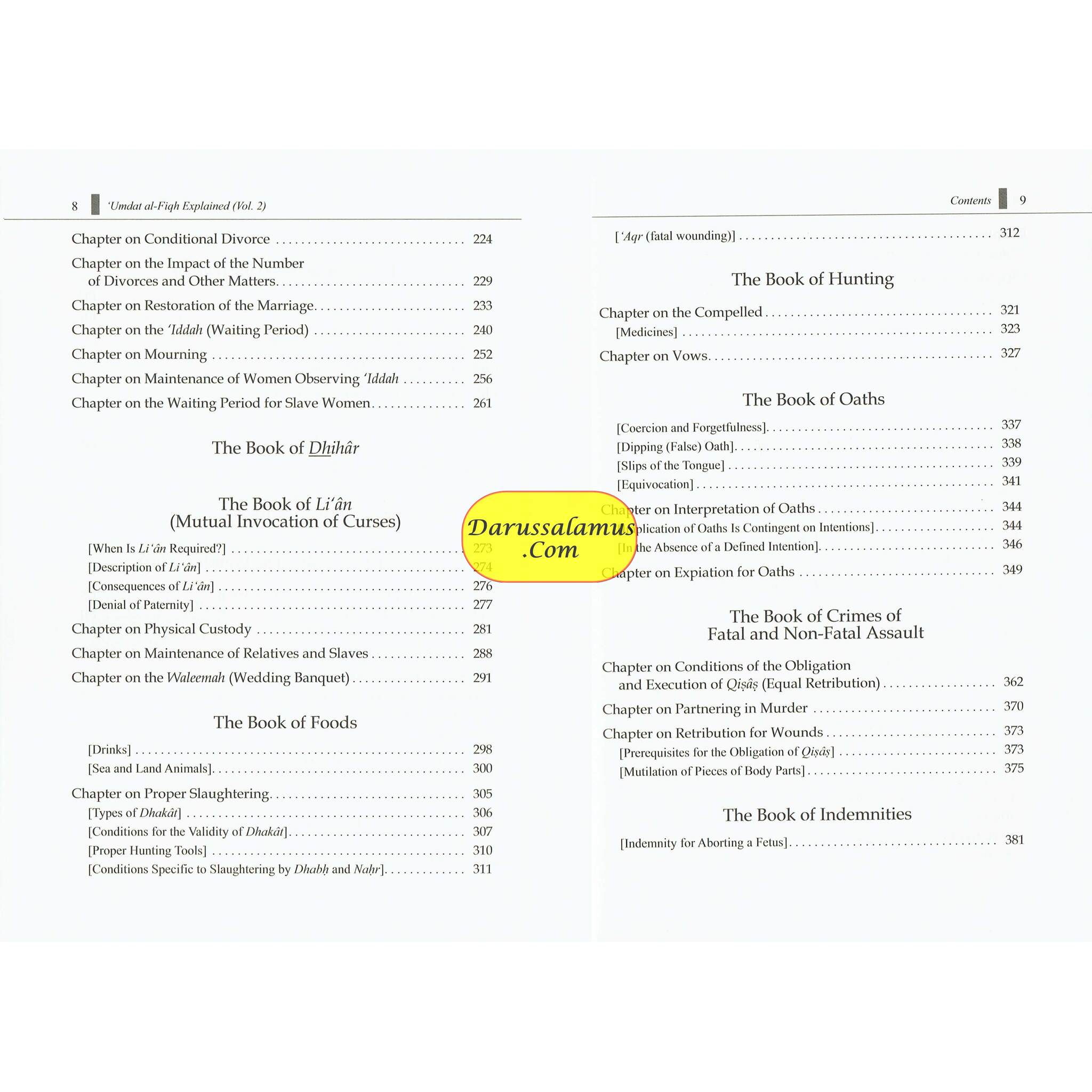
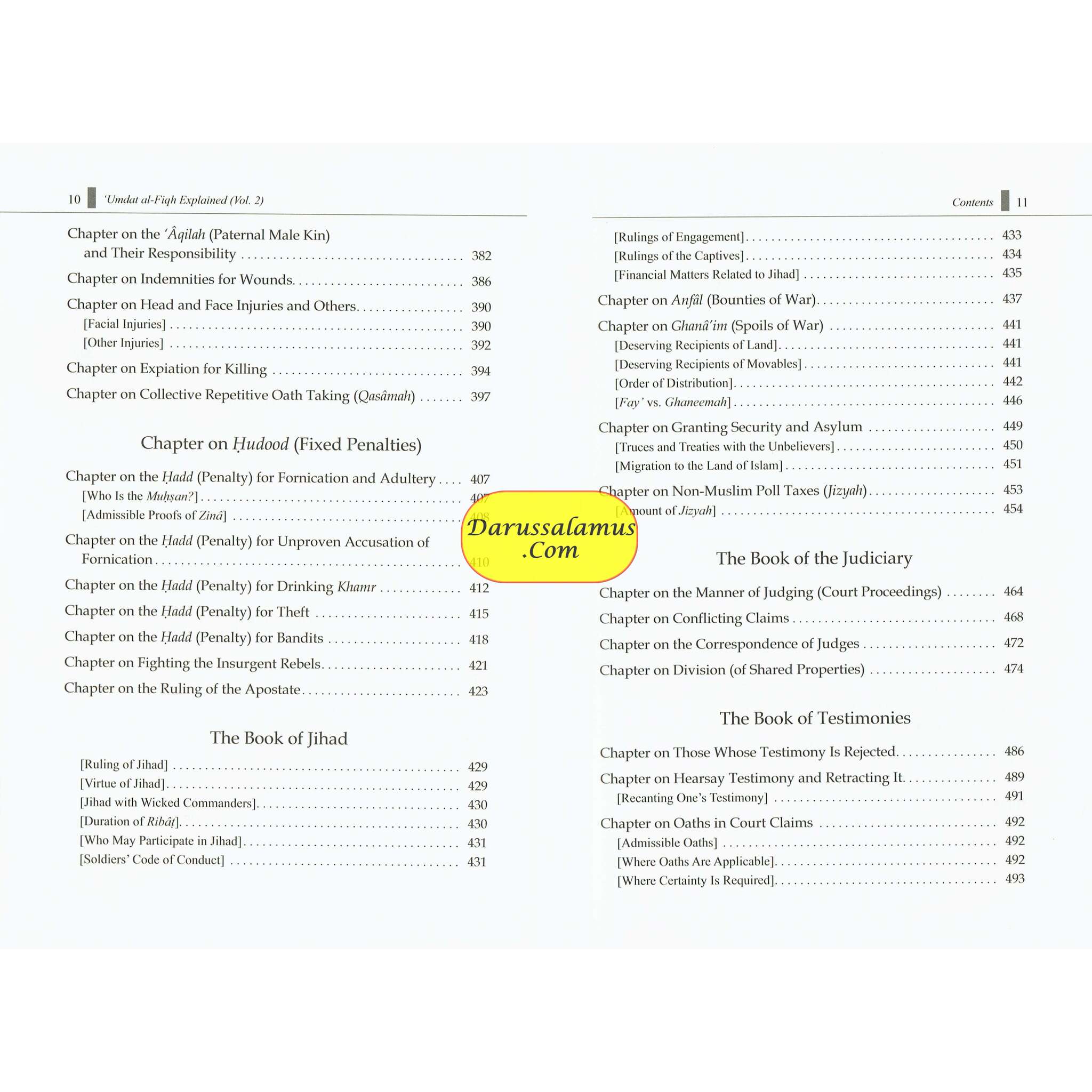
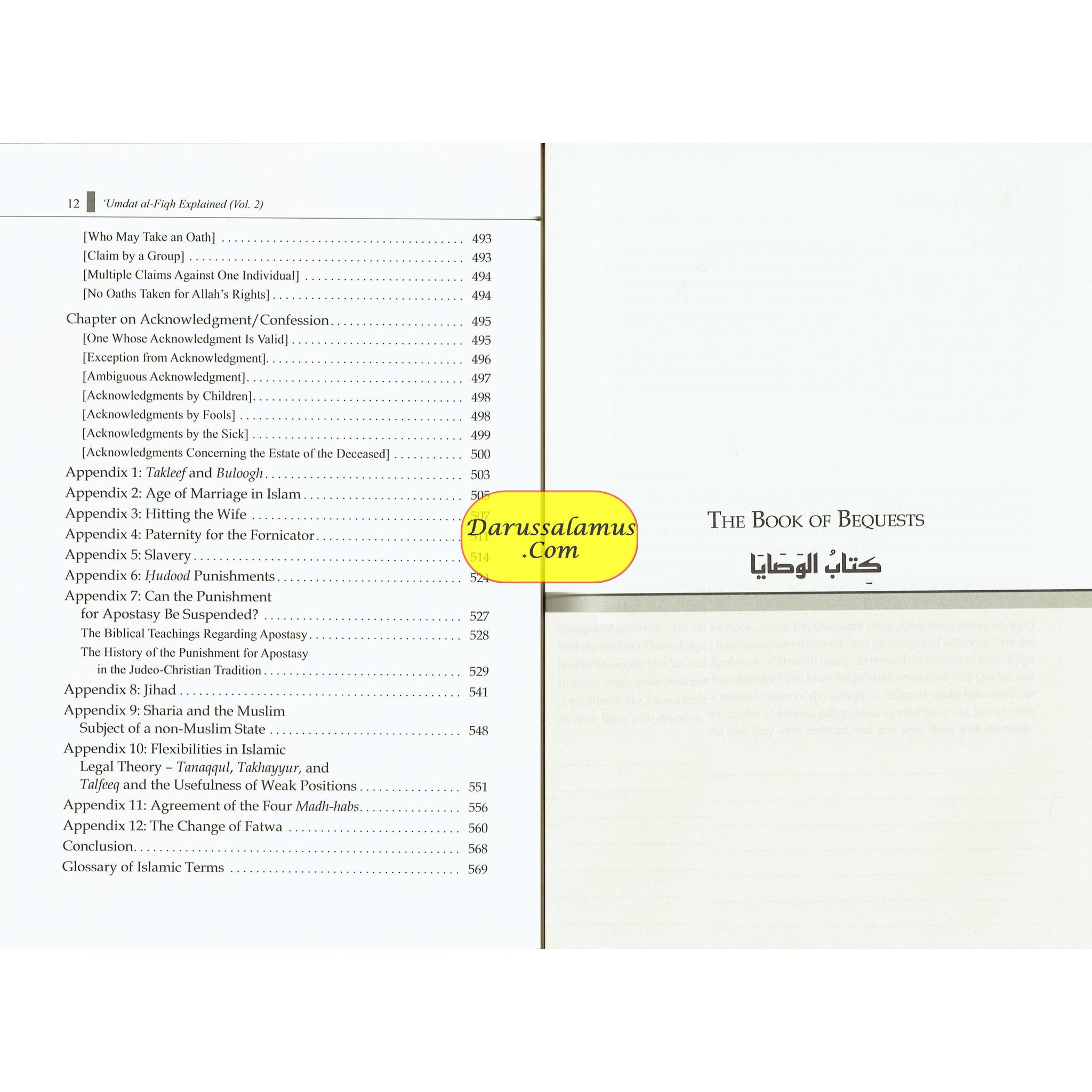
Dr. Hatem Al-Haj wrote 'Umdat Al-Fiqh Explained: A Commentary on Ibn Qudamah's The Reliable Manual of Fiqh' in two volumes. This work is a commentary on Ibn Qudamah's famed 'Umdat al-Fiqh, a classic treatise of fiqh (Islamic jurisprudence) within the Hanbali school of thought. The book's contents are divided into 13 chapters, with each chapter diving into a different topic of fiqh. Dr. Al-Haj begins each chapter with a brief summary of Ibn Qudamah's text, followed by a detailed commentary that includes the following elements:
Explanation of judicial judgments.
Other fiqh sources are cited.
Scholars debate different points of view.
Rebuttal of incorrect beliefs.
The application of legal concepts to real-world settings.
'Umdat Al-Fiqh Explained' is a comprehensive and authoritative reference for fiqh students. Furthermore, it serves as a useful reference for anyone seeking a better grasp of the Hanbali school of thought.
Some of the most important aspects of 'Umdat Al-Fiqh Explained' are highlighted below:
Authoritative commentary on Ibn Qudamah's 'Umdat al-Fiqh, provides a complete viewpoint.
Covers a wide range of fiqh subjects.
Other important fiqh sources are cited to deepen the discussion.
Engages in the debate over opposing intellectual perspectives.
Gives well-reasoned replies to common misunderstandings.
Exhibits practical uses of judicial judgments in real-world situations.

You have successfully commented, please wait for review
Copied Successfully
You can enjoy up to 1 free gift!