What are you looking for?
Search

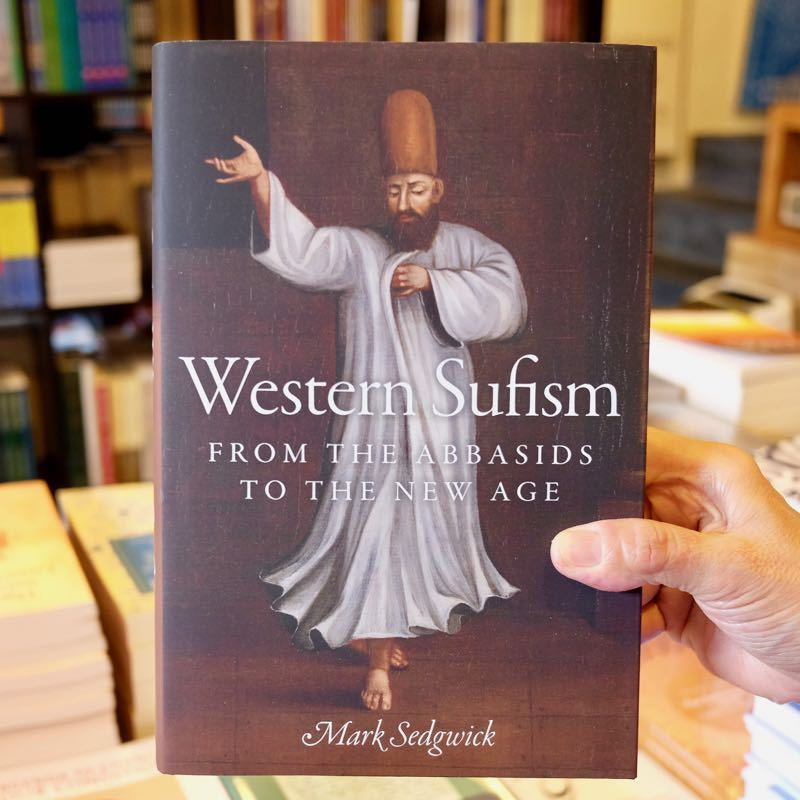
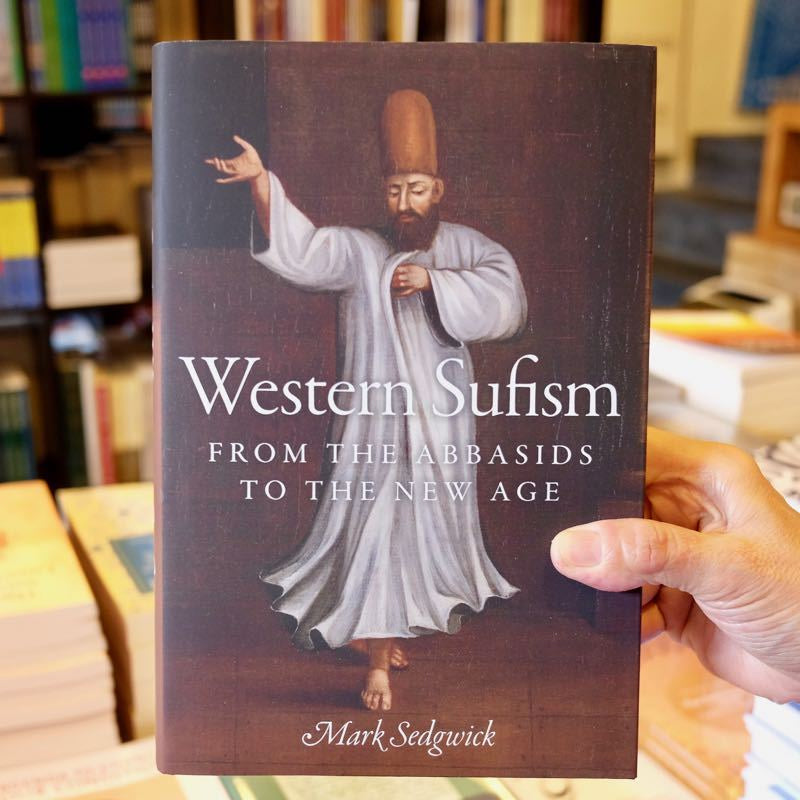

Mark Sedgwick
Hardback
9780199977642
Western Sufism is sometimes dismissed as a relatively recent 'new age' phenomenon, but in this book, Mark Sedgwick argues that it actually has very deep roots, both in the Muslim world and in the West. In fact, although the first significant Western Sufi organization was not established until 1915, the first Western discussion of Sufism was printed in 1480, and Western interest in some of the ideas that are central to Sufi thought goes back to the thirteenth century. Sedgwick starts with the earliest origins of Western Sufism in late antique Neoplatonism and early Arab philosophy, and traces later origins in repeated intercultural transfers from the Muslim world to the West, in the thought of the European Renaissance and Enlightenment, and in the intellectual and religious ferment of the nineteenth century. He then follows the development of organized Sufism in the West from 1915 until 1968, the year in which the first Western Sufi order based on purely Islamic models was founded. Later developments in this and other orders are also covered.
The work shows the influence of these origins, of thought both familiar and less familiar: Neoplatonic emanationism, perennialism, pantheism, universalism and esotericism. Western Sufism is a product not of the New Age but of Islam, the ancient world, and centuries of Western religious and intellectual history. Sedgwick demonstrates that the phenomenon of Western Sufism draws on centuries of intercultural transfers and is part of a long-established relationship between Western thought and Islam.
Contents
Part I | Premodern Intercultural Transfers
1. Neoplatonism and Emanationism
Plotinus: The Key
Emanation Explained
Neoplatonism Spreads
2. Islamic Emanationism
Arab Neoplatonism
The First Sufis
Sufi Classics
3. Jewish and Christian Emanationism
Jewish Neoplatonism
Jewish Sufism
Latin Emanationism
Part II | Imagining Sufism, 1480-1899
4. Dervishes
Angels and Deviants
The View from France
Sufism as Mystical Theology
5. Deism and Pantheism
The prisca theologia in the Renaissance
Universalism: Guillaume Postel and the Jesuits
Deism Demonstrated by Arab and Turk
Pantheism and Anti-Exotericism
6. Universalist Sufism
Sufism as Esoteric Pantheism
Perennialism and Universalism in India
The Dabistan and After
7. Dervishes Epicurean and Fanatical
Dervishes in Drama, Painting, and Verse
The Rubaiyat of Omar Khayyam
Fighting Dervishes
Part III | The Establishment of Sufism in the West, 1910-1933
8. Transcendentalism, Theosophy, and Sufism
Transcendentalism and the Missouri Platonists
The Theosophical Society and Carl-Henrik Bjerregaard
Ivan Agueli, the Western Sufi
9. Toward the One: Inayat Khan and the Sufi Movement
Inayat Khan Visits America
The Sufi Message is Spread
The Continuation of the Sufi Movement
10. Tradition and Consciousness
Rene Guenon and the Traditionalists
George Gurdjieff and Consciousness
The Early Years of John G. Bennett
Part IV | The Development of Sufism in the New Age
11. Polarization
Toward Islam
Reorientation with Meher Baba
The Travels of John G. Bennett
The Maryamiyya and the Oglala Sioux
12. Idries Shah and the Sufi Psychology
Shah and the Gurdjieff Tradition
Shah’s Sufism
Followers and Opponents
13. Sufism Meets the New Age
Traditionalism and the New Age
The Sufi Movement Conserved
Sufi Sam in San Francisco
Vilayat and the Sufi Order International
Fazal and the Mystical Warfare
14. Islamic Sufism
Ian Dallas and the Darqawiyya
Ibn Arabi and Beshara
The Murabitun and Sufi Jihad
John G. Bennett at Sherborne
15. Conclusion

You have successfully commented, please wait for review
Copied Successfully
You can enjoy up to 1 free gift!