What are you looking for?
Search

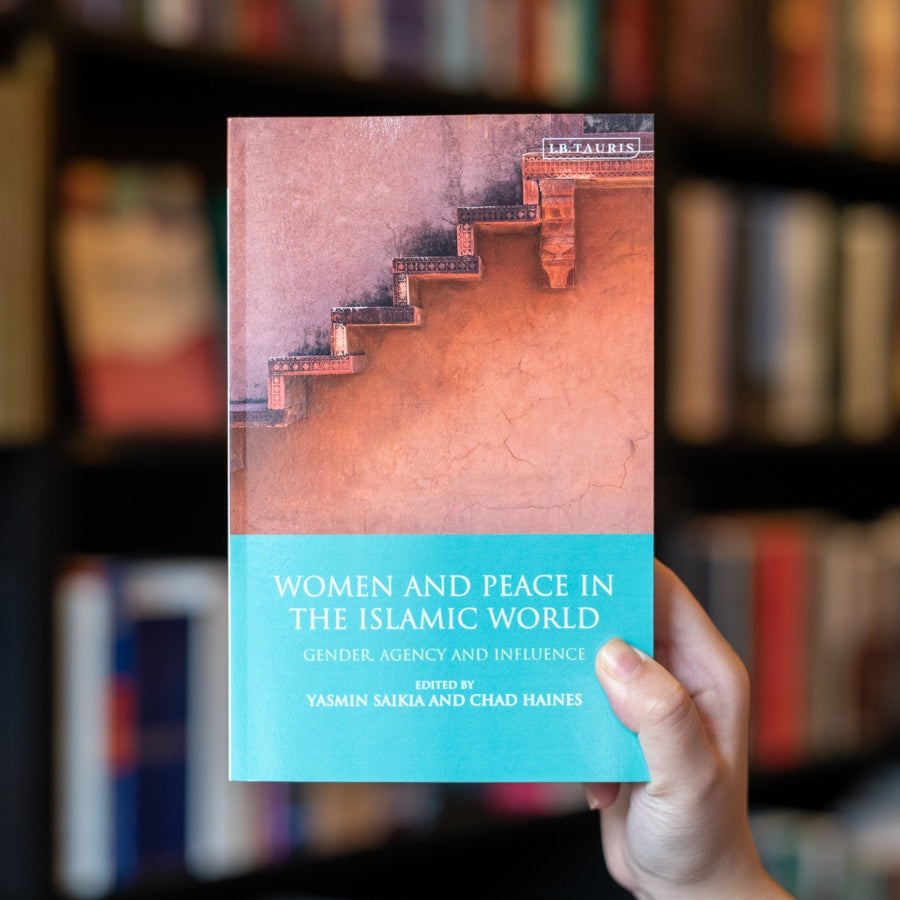
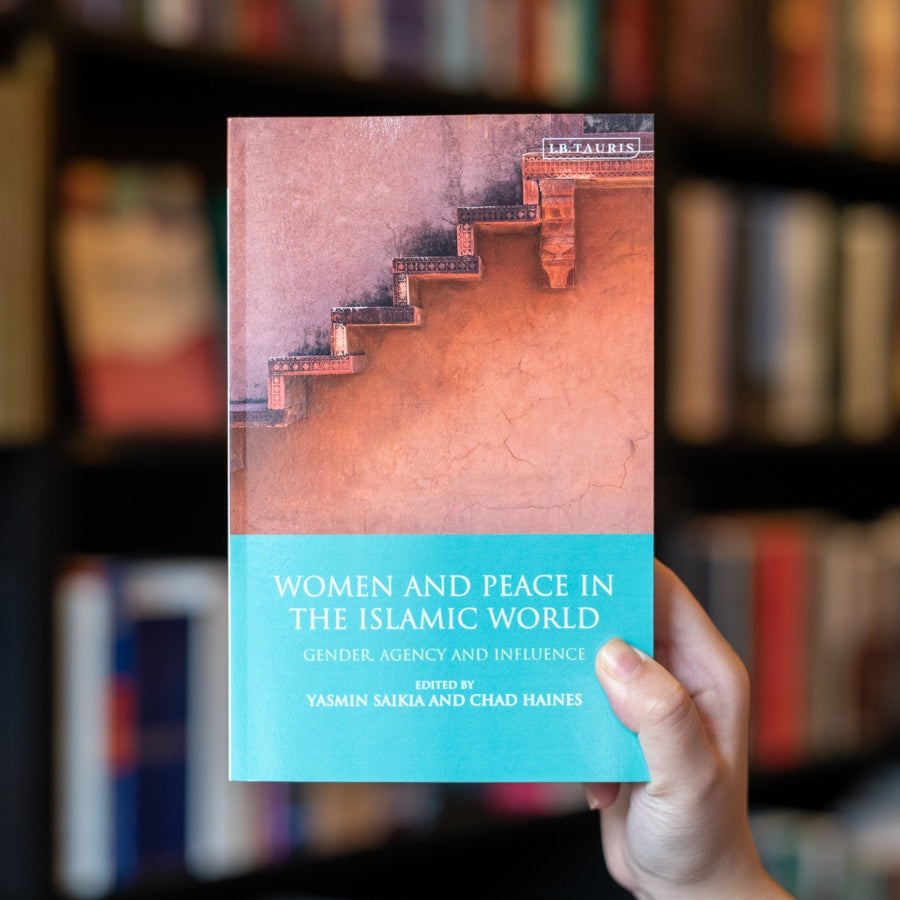

Yasmin Saikia, Chad Haines (Editors)
Paperback, 440 pages
9780755644032
Gender, Agency and Influence
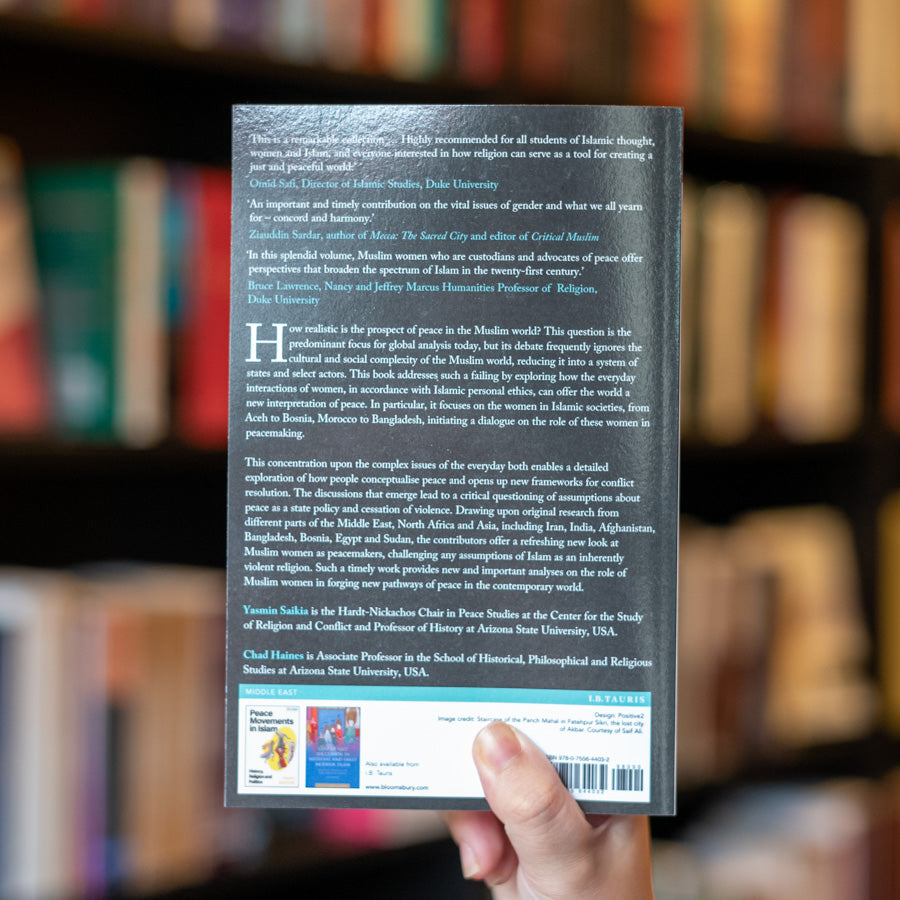
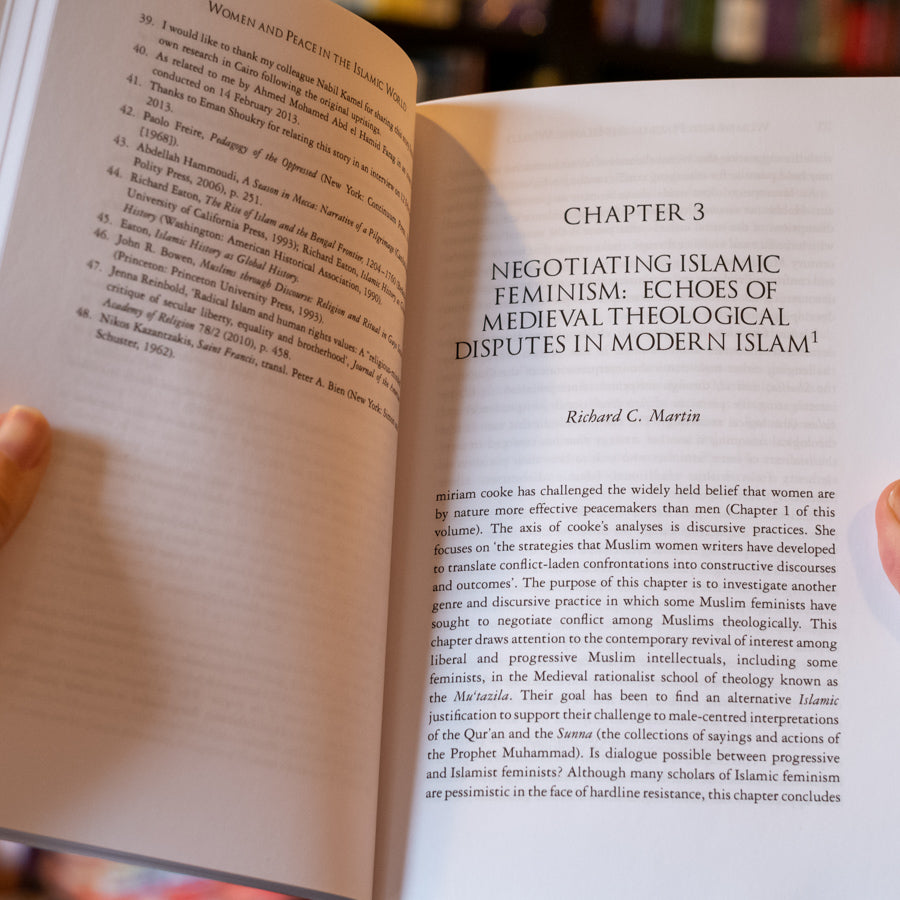
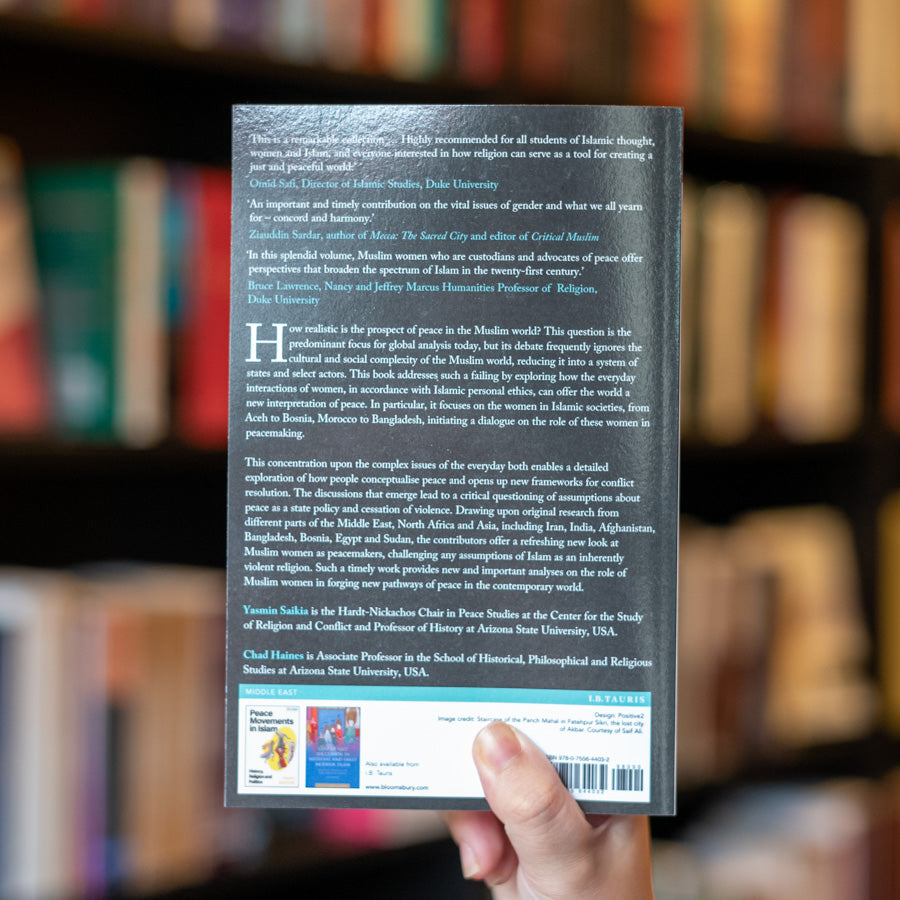
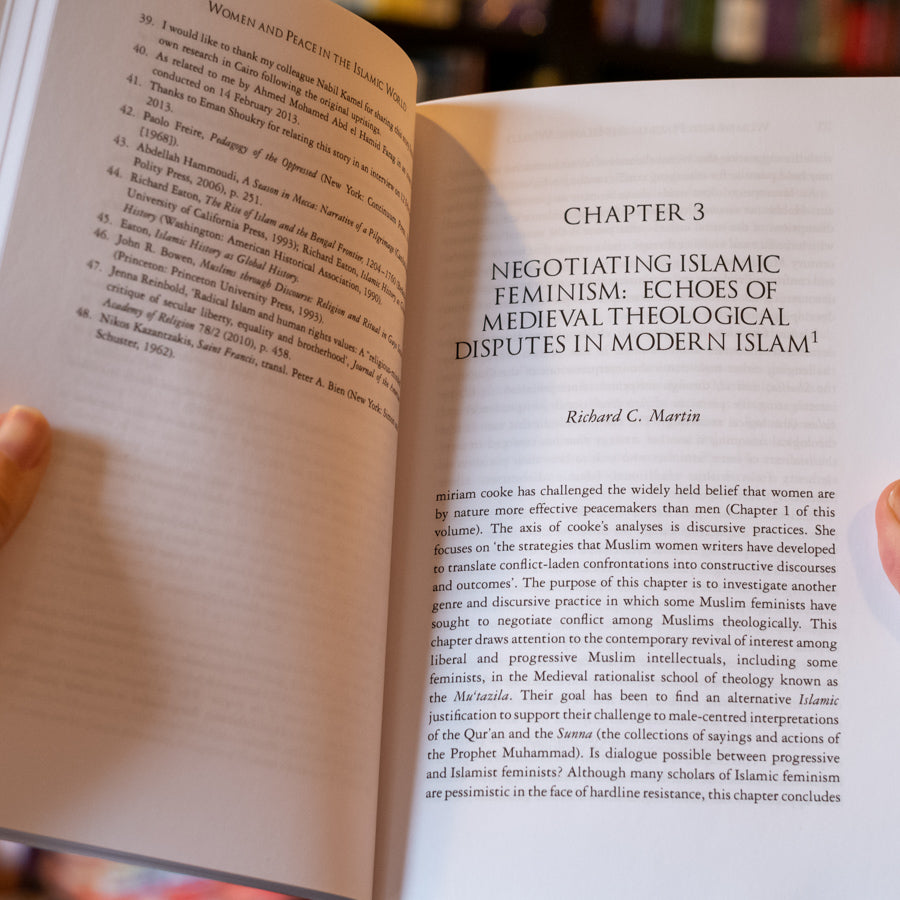
How realistic is the prospect of peace in the Muslim world? This question is the predominant focus for global analysis today, but its debate frequently ignores the cultural and social complexity of the Muslim world, reducing it into a system of states and select actors. This book addresses such a failing by exploring how the everyday interactions of women, in accordance with Islamic personal ethics, can offer the world a new interpretation of peace. In particular, it focuses on the women in Islamic societies, from Aceh to Bosnia, Morocco to Bangladesh, initiating a dialogue on the role of these women in peacemaking. This concentration upon the complex issues of the everyday both enables a detailed exploration of how people conceptualise peace and opens up new frameworks for conflict resolution. The discussions that emerge lead to a critical questioning of assumptions about peace as a state policy and cessation of violence.
Drawing upon original research from different parts of the Middle East, North Africa and Asia, including Iran, India, Afghanistan, Bangladesh, Bosnia, Egypt and Sudan, the contributors offer a refreshing new look at Muslim women as peacemakers, challenging any assumptions of Islam as an inherently violent religion. Such a timely work provides new and important analyses on the role of Muslim women in forging new pathways of peace in the contemporary world.
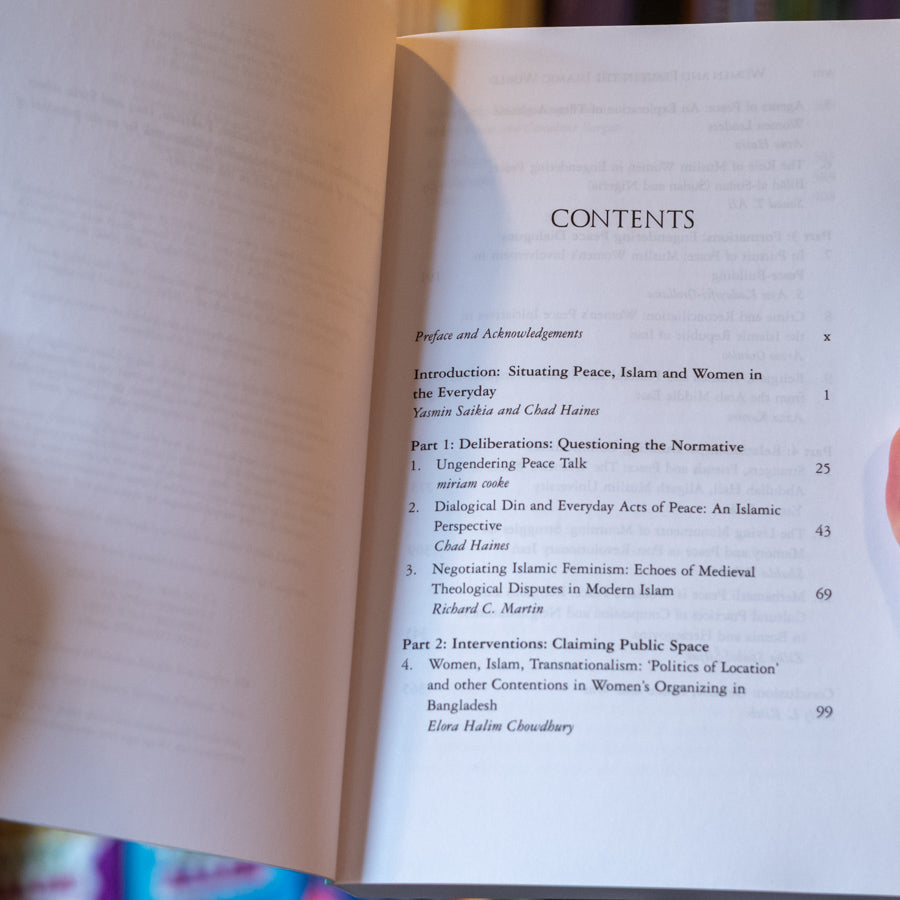
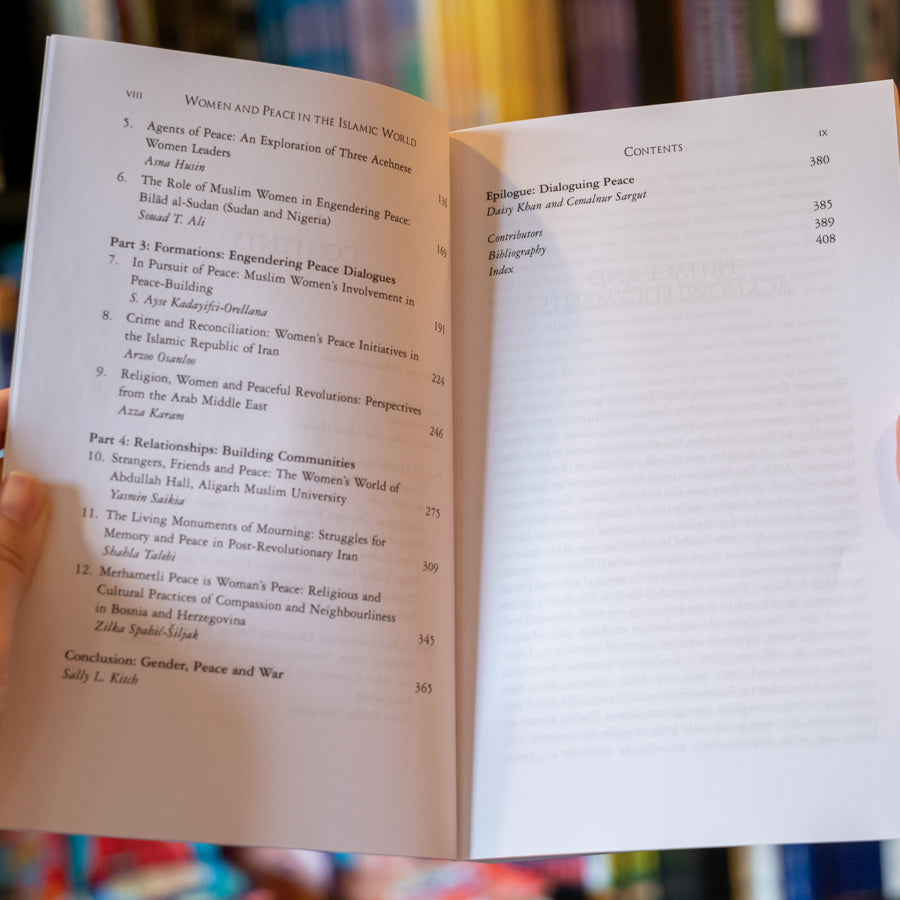
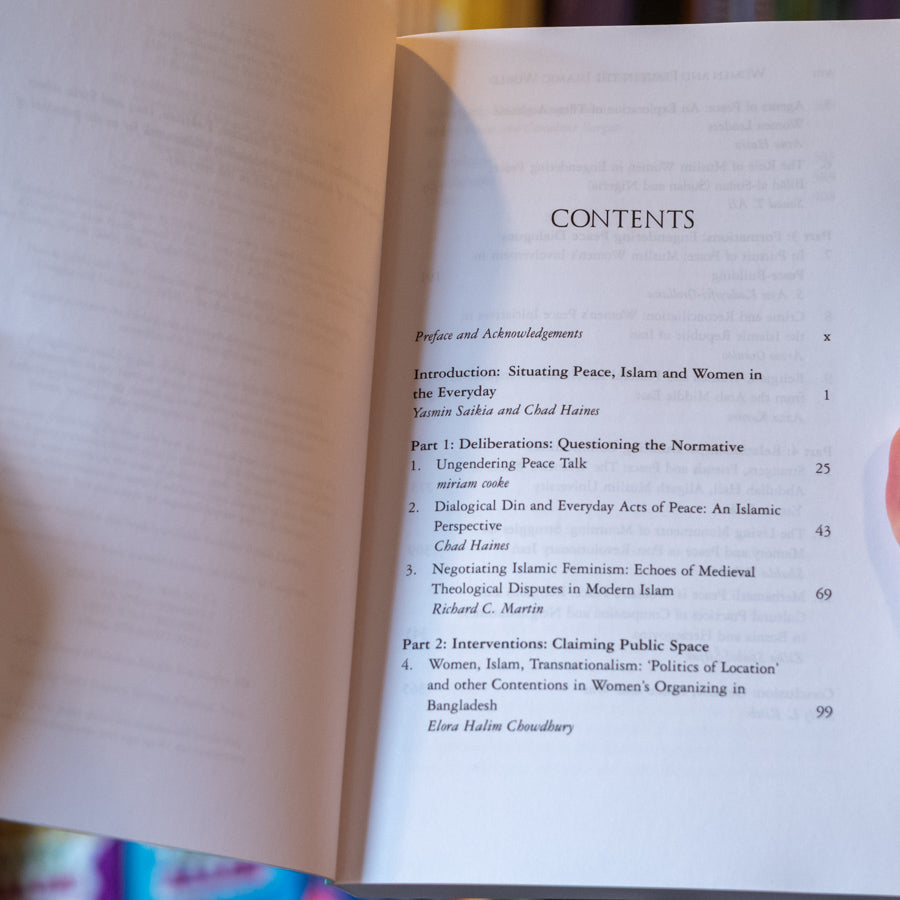
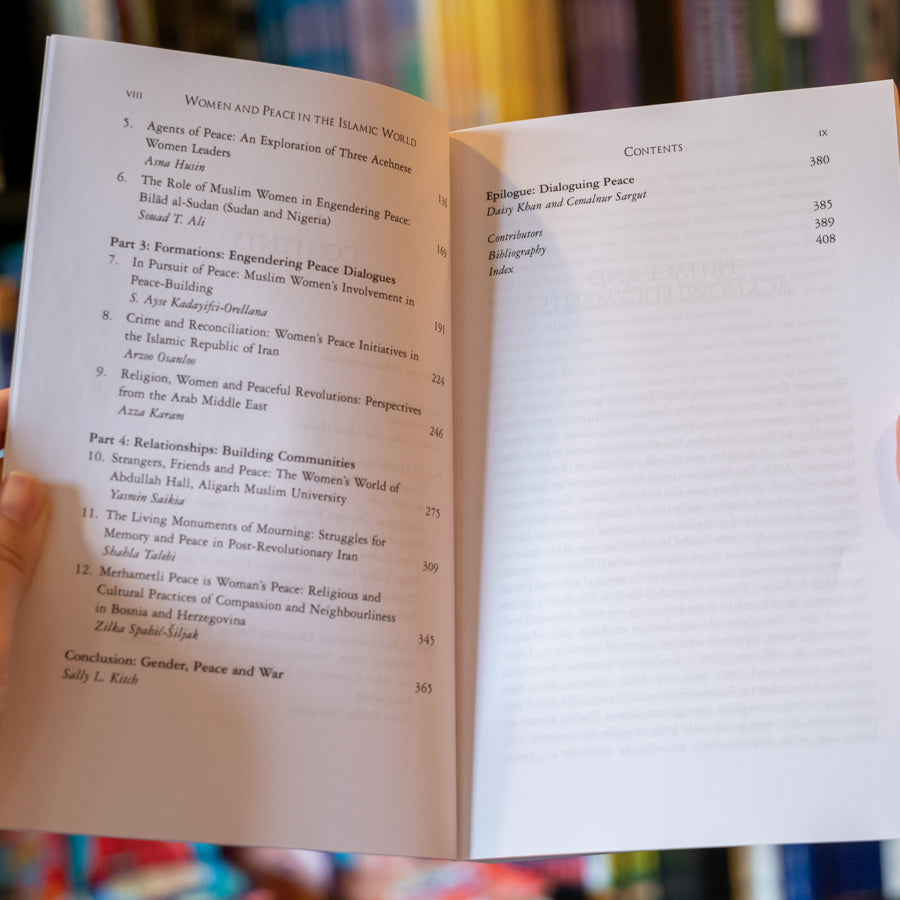
Contents
Introduction: Situating Peace, Islam, and Women in the Everyday
Section 1: Deliberations: Questioning the Normative
Section 2: Interventions: Claiming Public Space
Section 3: Formations: Engendering Peace Dialogues
Section 4: Relationships: Building Communities
Epilogue: Dialoguing Peace

You have successfully commented, please wait for review
Copied Successfully
You can enjoy up to 1 free gift!